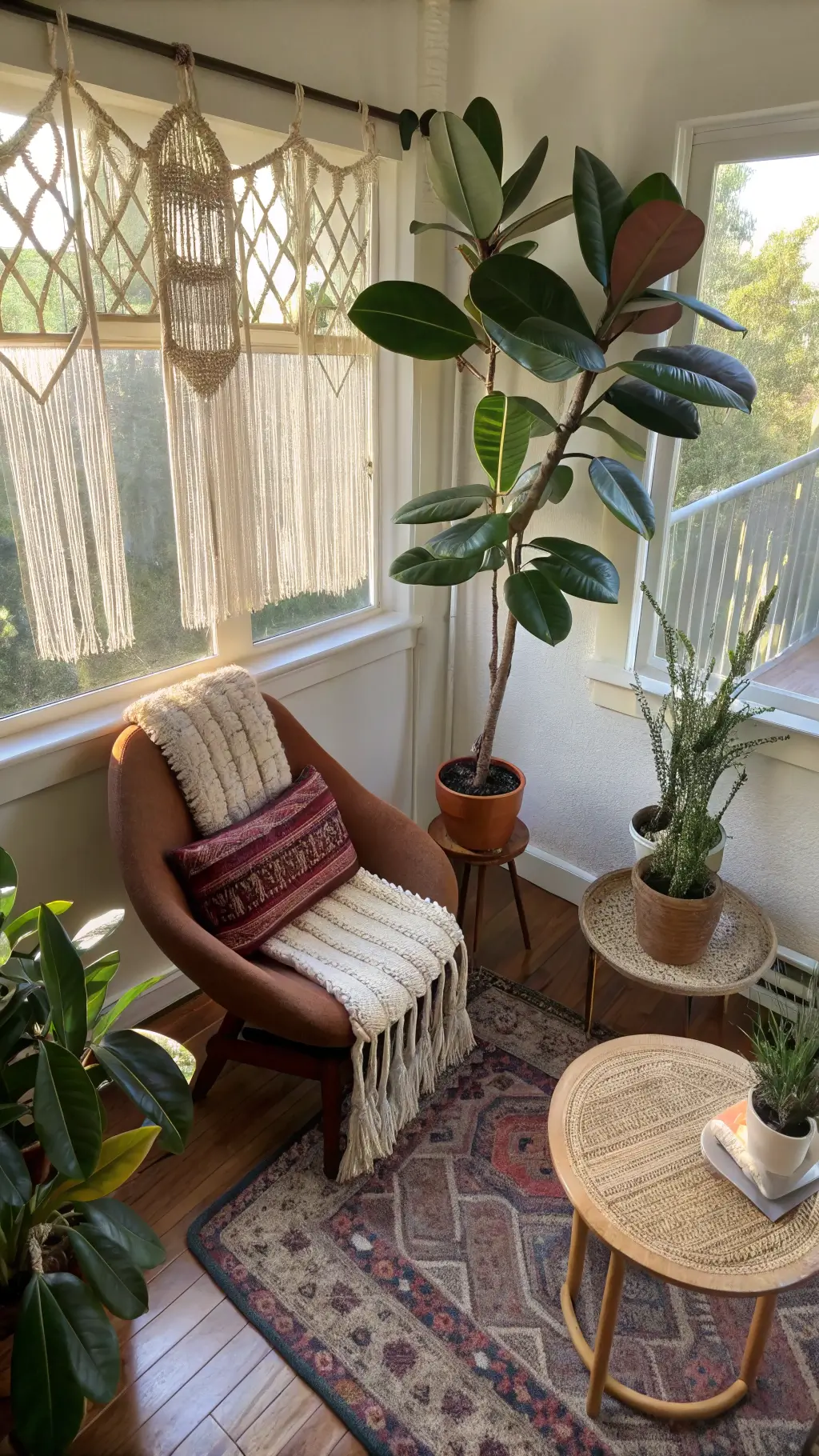
Mastering Rubber Plant Care: Your Ultimate Guide to Growing Ficus elastica Like a Pro
I bought a second Ficus elastica rubber plant to match one I had kept alive for four years. The leaves on the new plant were smaller and paler, and I realized it needed brighter light than the corner where I had placed it.
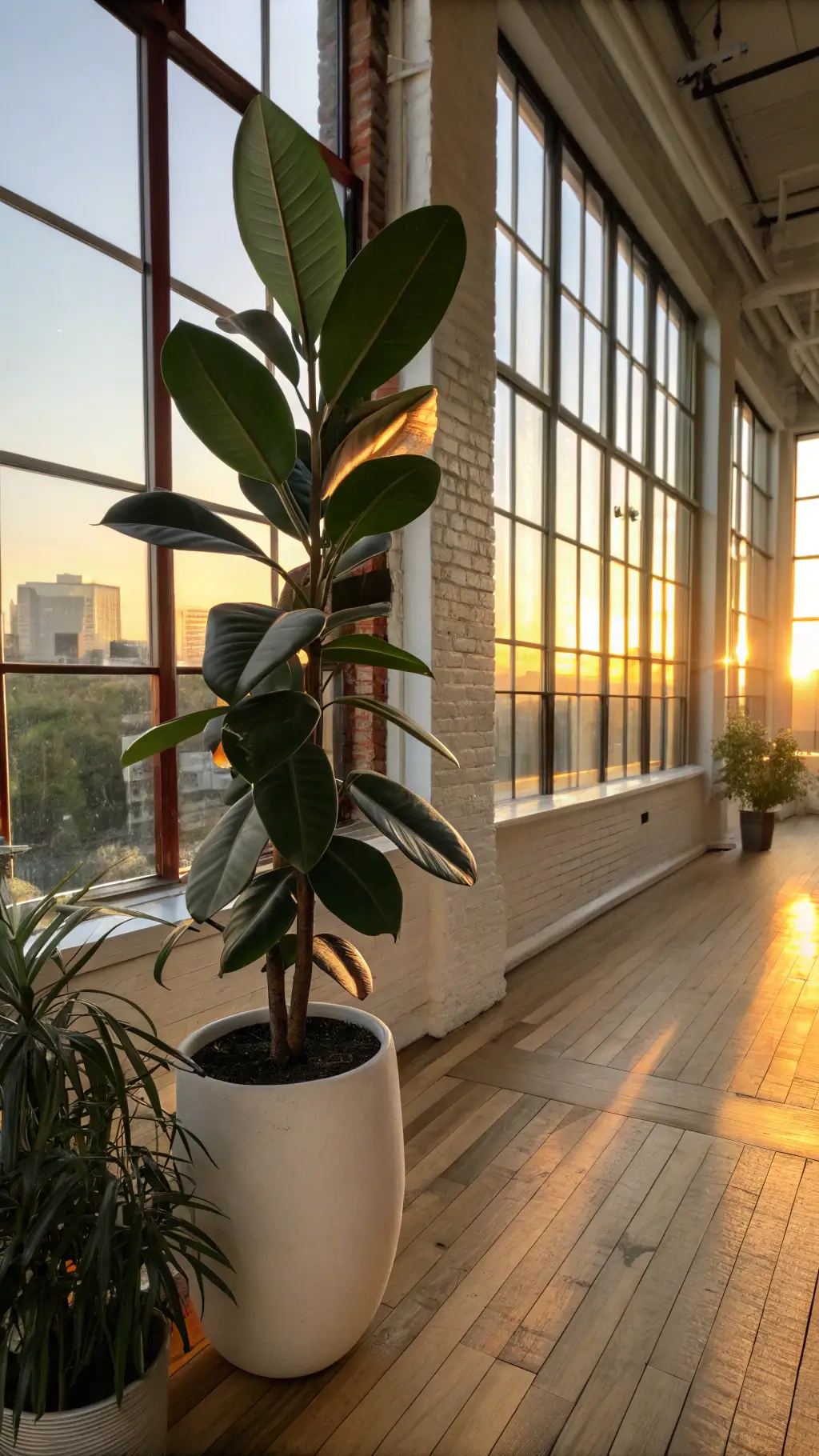
Rubber plants need bright, indirect light and soil that dries out between waterings. Wipe the broad leaves monthly to remove dust that blocks light and attracts spider mites.
Why Rubber Plants Are Plant Lovers’ Dream
Ever walked into a room and been stopped in your tracks by a magnificent, glossy-leaved plant? Chances are, you’ve just met a rubber plant. These stunners are more than just pretty faces – they’re incredibly forgiving houseplants that can transform any space from bland to grand.
🌿 Quick Rubber Plant Survival Guide
Before we get into the nitty-gritty, here’s what your rubber plant absolutely craves:
- Bright, indirect sunlight
- Consistent (but not crazy) watering
- Warm temperatures
- A bit of humidity
- Occasional TLC
Light: The Secret Sauce of Rubber Plant Happiness
Listen up – light is everything for these beauties:
- Sweet Spot: East or west-facing windows are your plant’s BFFs
- Direct Sunlight? Hard No: Those delicate leaves will burn faster than a vampire in the midday sun
- Pro Tip: Variegated varieties are light divas – they need MORE brightness to keep their fancy color patterns
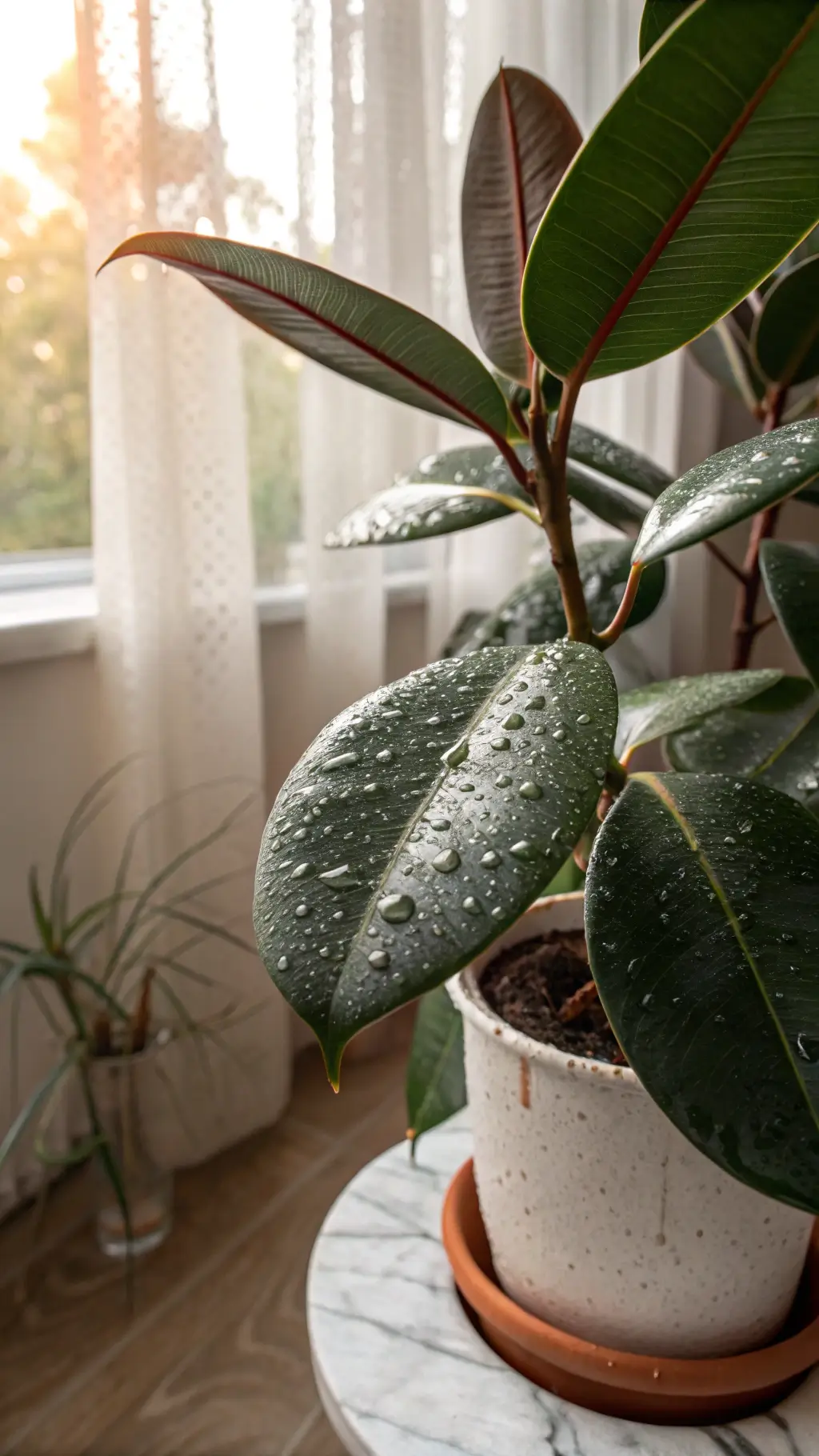
Watering: The Fine Art of Not Killing Your Plant
Water is tricky. Too much, and you’re drowning your plant. Too little, and it’s a crispy critter.
Watering Golden Rules:
- Let the top 2-3 inches of soil go completely dry
- Water thoroughly, but don’t create a swimming pool
- Winter is chill time – reduce watering frequency
- Warning: Root rot is real, and it’s terrifying
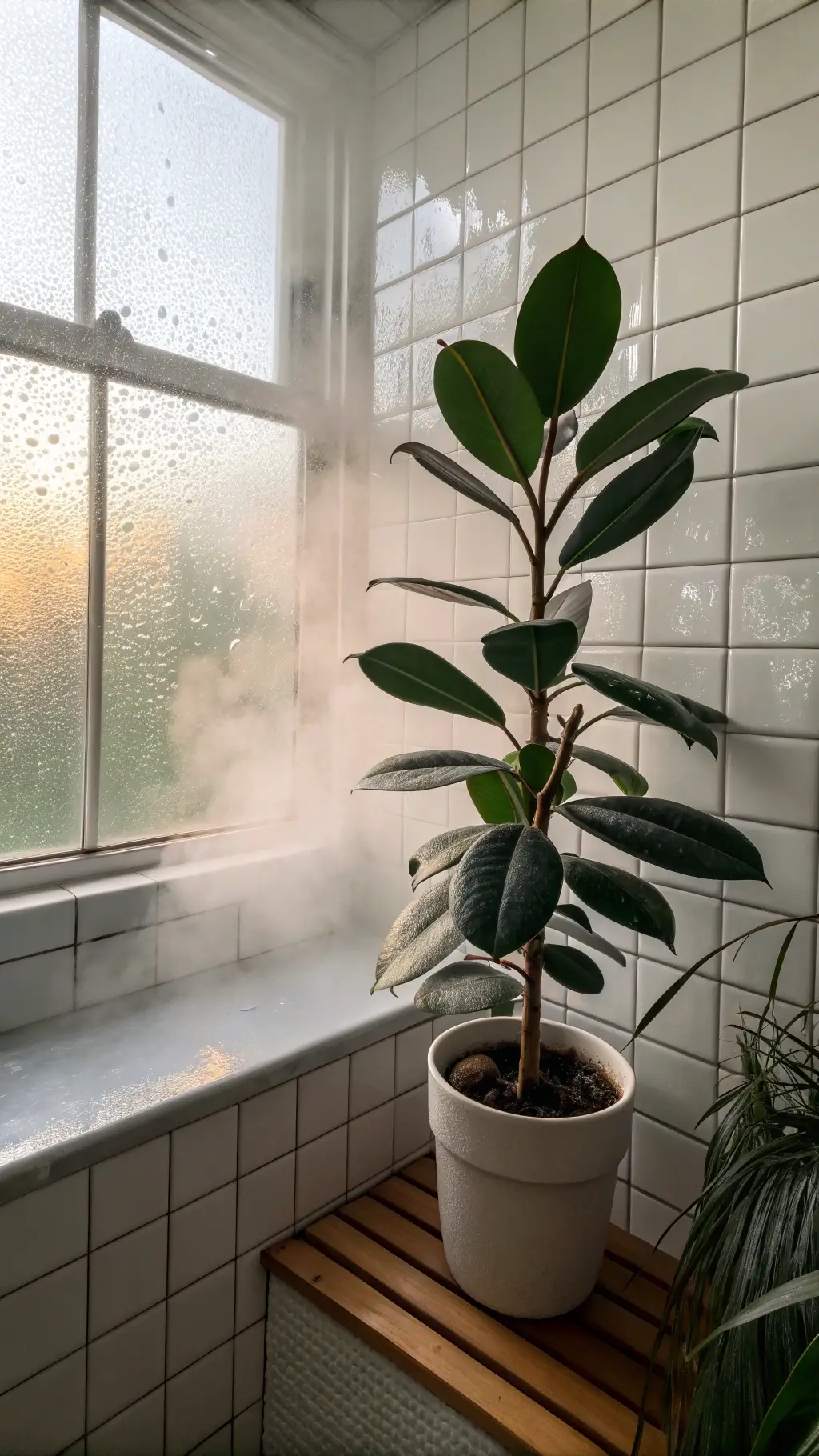
Temperature and Humidity: Creating the Perfect Microclimate
Your rubber plant is basically a tropical drama queen:
- Ideal temperature range: 60-85°F (15-29°C)
- Humidity sweet spot: 40-50%
- Keep away from drafty windows and cranky heaters
- Misting is your secret weapon for happy leaves
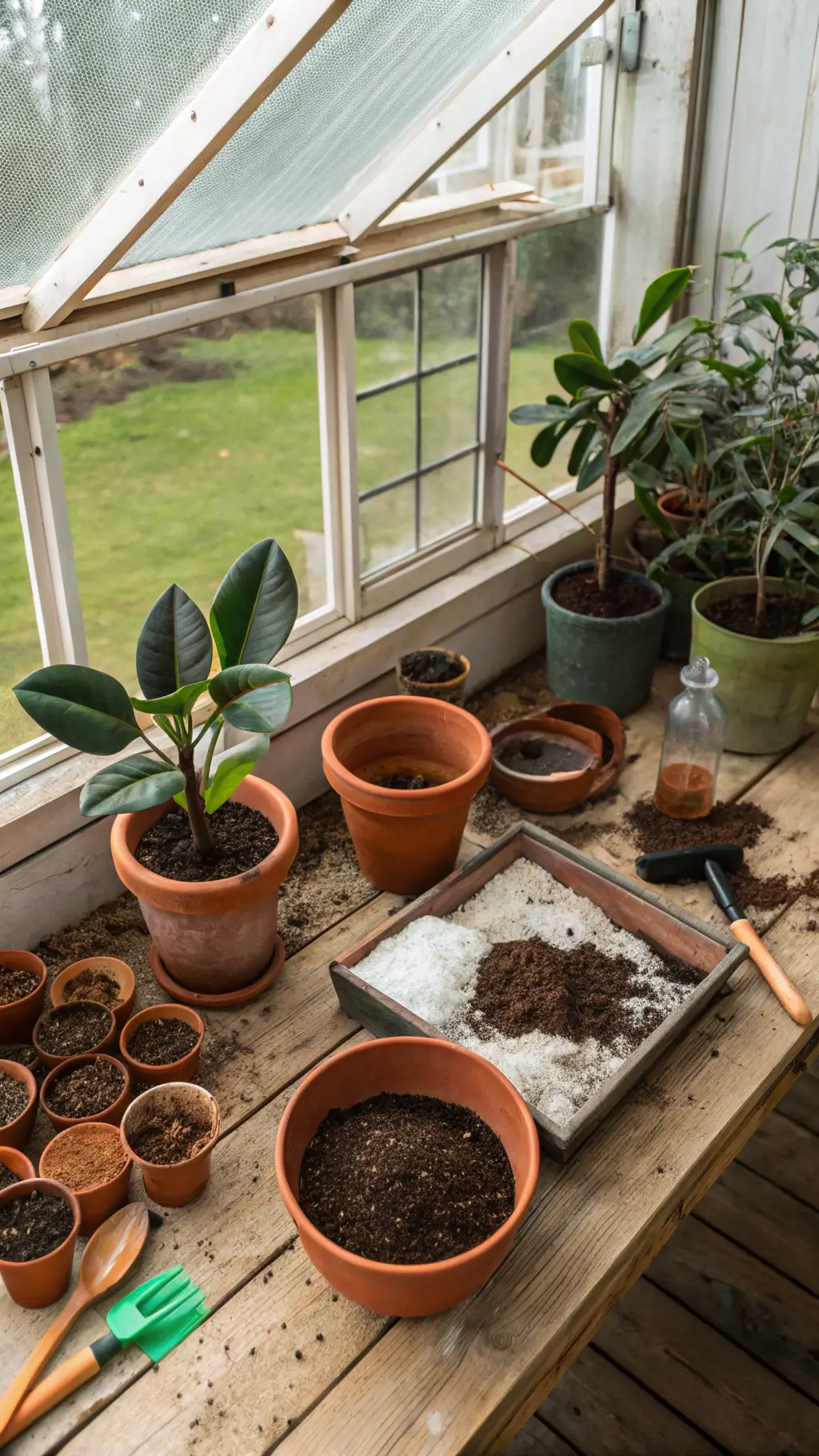
Soil and Feeding: Nutrition Matters
Think of soil and fertilizer like a plant’s protein shake:
- Use well-draining potting mix
- Add perlite for extra drainage magic
- Monthly fertilizer during growing season
- Pro Hack: Always dilute fertilizer to half-strength
Pruning: Giving Your Plant a Glow-Up
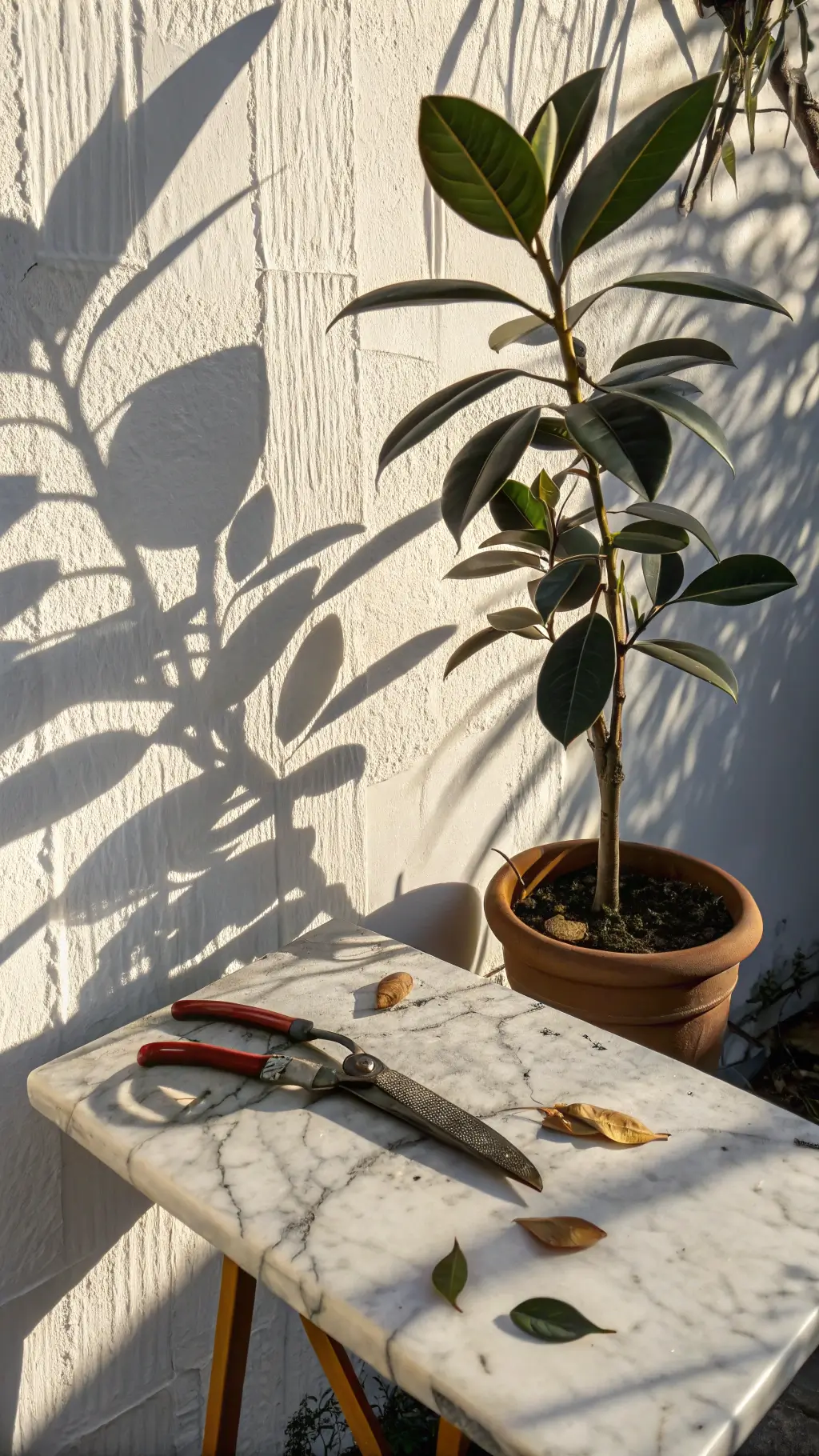
Pruning isn’t just for fancy hair salons:
- Spring is your pruning season
- Control height and encourage bushier growth
- Clean leaves = shiny, healthy plant
- Rotate periodically for even growth
Troubleshooting: When Things Go Wrong
Common Rubber Plant Panic Moments:
- Leaf drop? Check your watering and temperature
- Yellow leaves? Investigate moisture and nutrients
- Brown tips? Humidity is likely the culprit
- Pests? Keep an eye out for sneaky scale insects
Final Thoughts: You’ve Got This!
Rubber plants are forgiving, fabulous, and ready to make your space look incredible. Remember: observe, adjust, and most importantly – have fun with your green buddy!
Bonus Pro Tip:
Every plant is unique. Pay attention to YOUR specific plant’s signals, and you’ll become a rubber plant whisperer in no time.
Rubber plants need bright, indirect light and soil that dries out between waterings. Wipe the broad leaves monthly to remove dust that blocks light and attracts spider mites.