
Ficus Elastica ‘Tineke’: The Ultimate Care Guide for Variegated Rubber Plant Lovers
I bought a ficus elastica tineke because the pink, cream, and green variegation looked hand-painted. The new leaves come in a blush pink that fades to cream and green within weeks, and the color shift is visible from across the room.
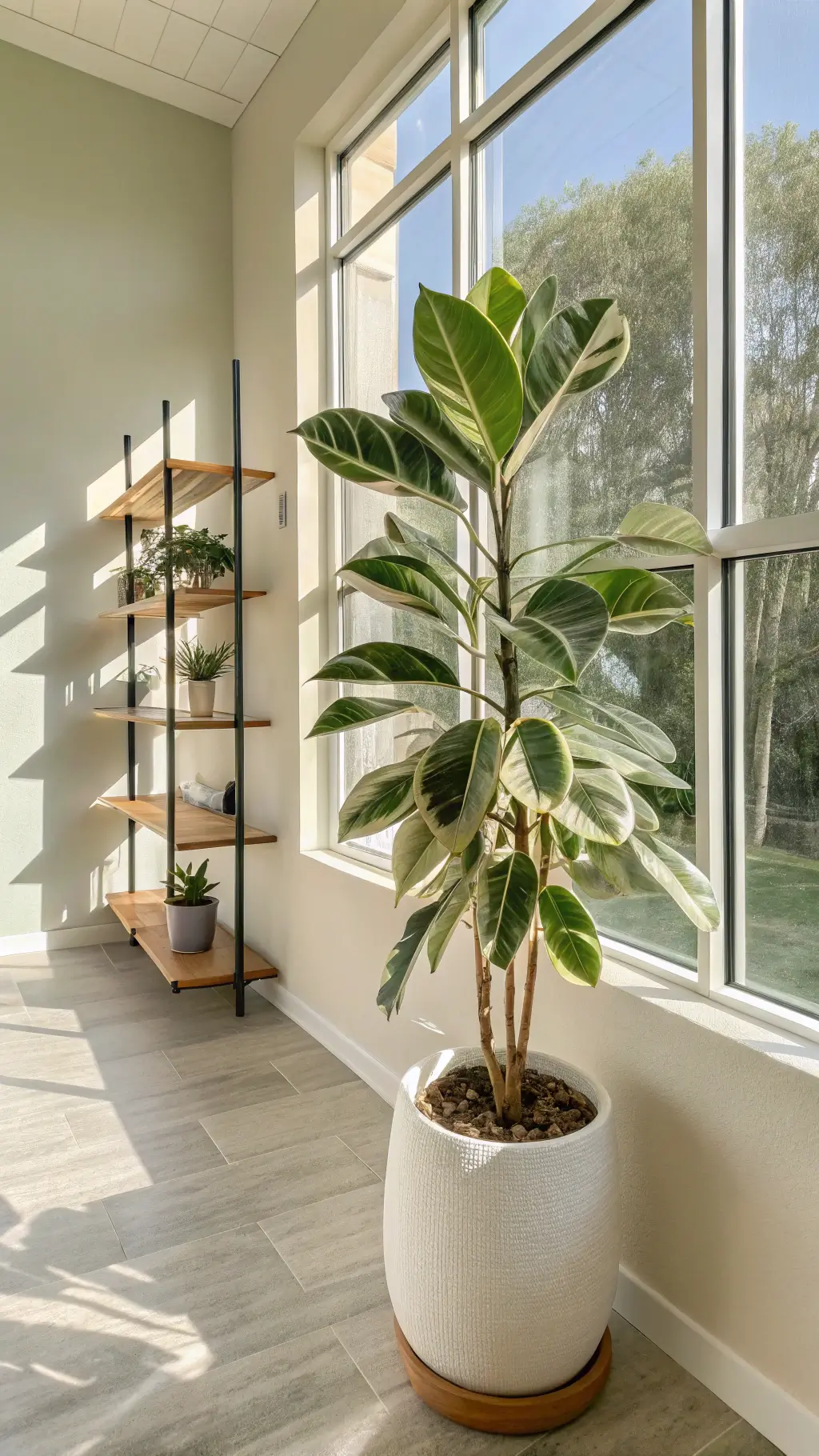
Why the Ficus Tineke is a Total Game-Changer for Indoor Gardeners
Ever struggled to find a plant that’s both drop-dead gorgeous and relatively low-maintenance? Meet the Ficus Tineke – your new botanical bestie.
Understanding Your Plant’s Personality: Light Requirements
Let’s talk about the most crucial aspect of keeping your Ficus Tineke happy – light!
Pro Light Tips:
- Bright, indirect light is your plant’s love language
- East-facing windows are basically plant paradise
- Rotate your plant regularly (think of it like a plant spa day)
Warning Zones:
- Direct afternoon sun? Hard NO
- Dark corners? Absolutely not
- Faded leaves? Your plant is crying for more light
Watering: The Make-or-Break Skill
Watering can be tricky, but I’ve got your back.
Watering Cheat Sheet:
- Check soil moisture with the finger test
- Top 1-2 inches dry? Time to water
- Deep watering every 1-2 weeks during growing season
- Winter? Dial back the H2O
Rookie Mistakes to Avoid:
- Overwatering = root rot
- Underwatering = sad, droopy plant
- Pro tip: Distilled or rainwater works magic
Soil & Potting: Creating the Perfect Plant Home
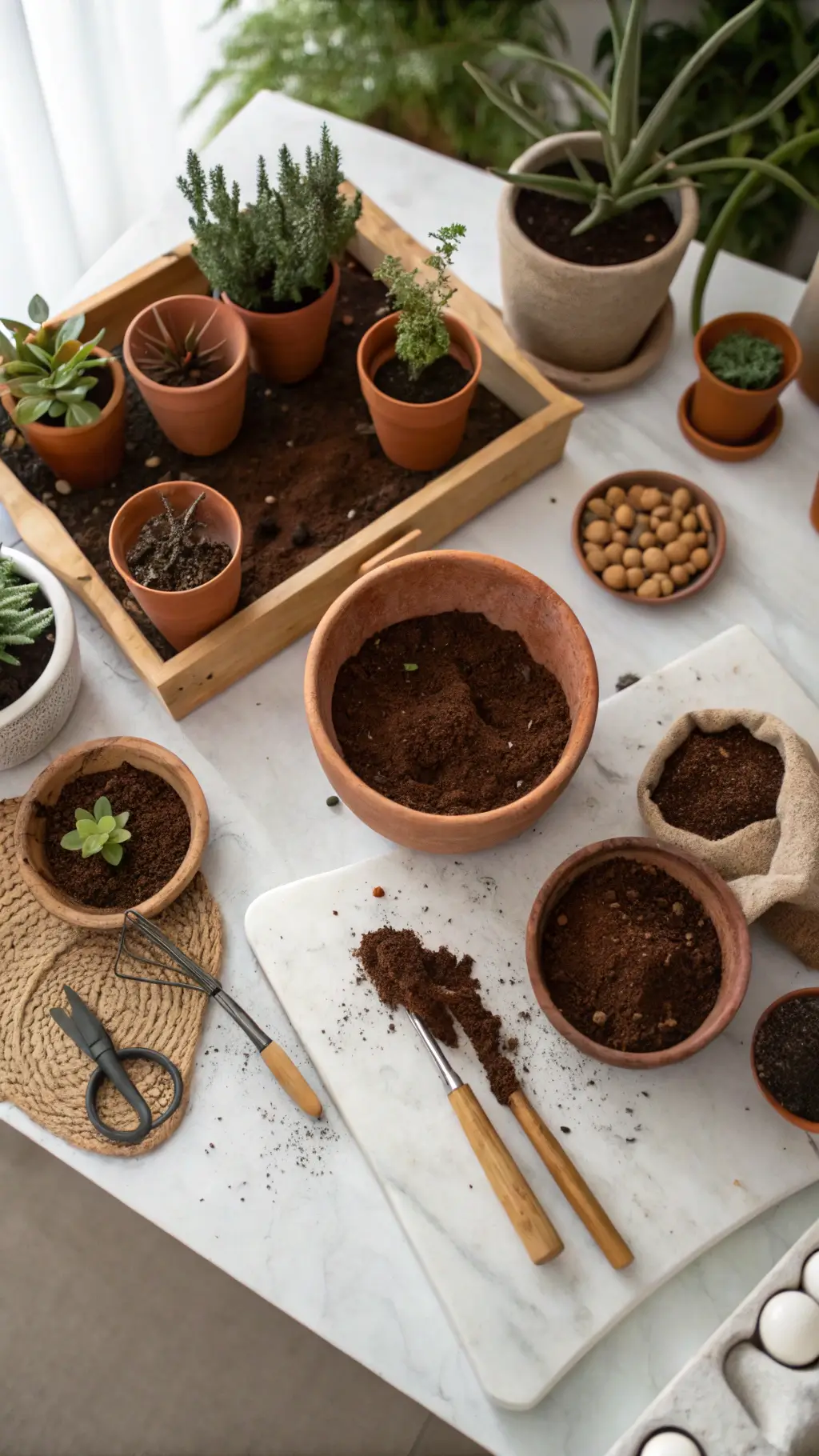
Your Ficus Tineke isn’t asking for much, just a comfy, well-draining home.
Soil Mix Magic:
- Standard potting soil
- Mix in sand and vermiculite
- Repot every 2-3 years
- Go up just 1-2 inches in pot size
Temperature and Humidity: Keeping It Comfy
Think tropical vacation vibes for your plant.
Ideal Conditions:
- 60-75°F (15-24°C)
- No cold drafts
- Humidity around 40%
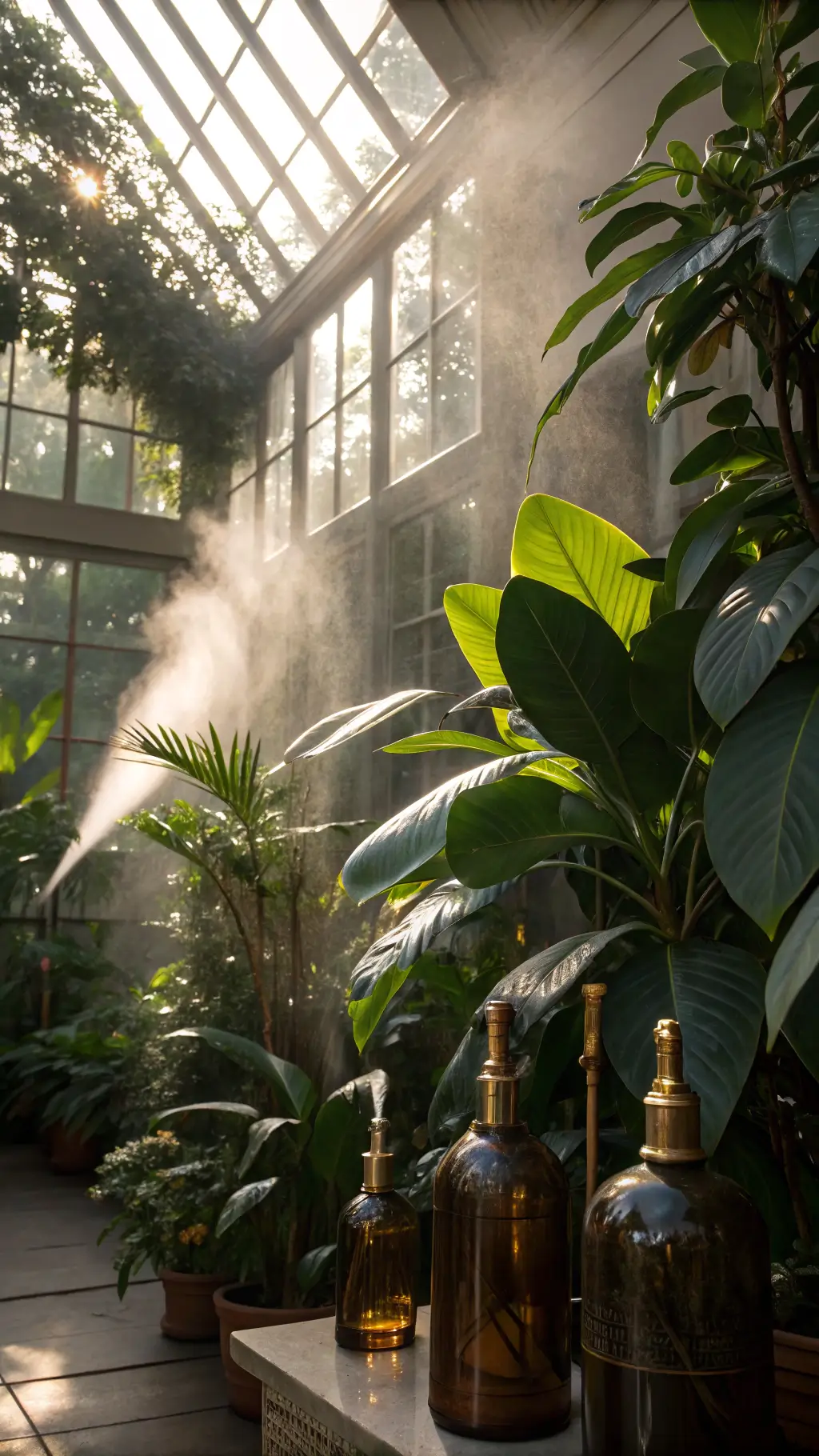
- Occasional misting = plant spa treatment
Feeding Your Green Friend: Fertilizer 101
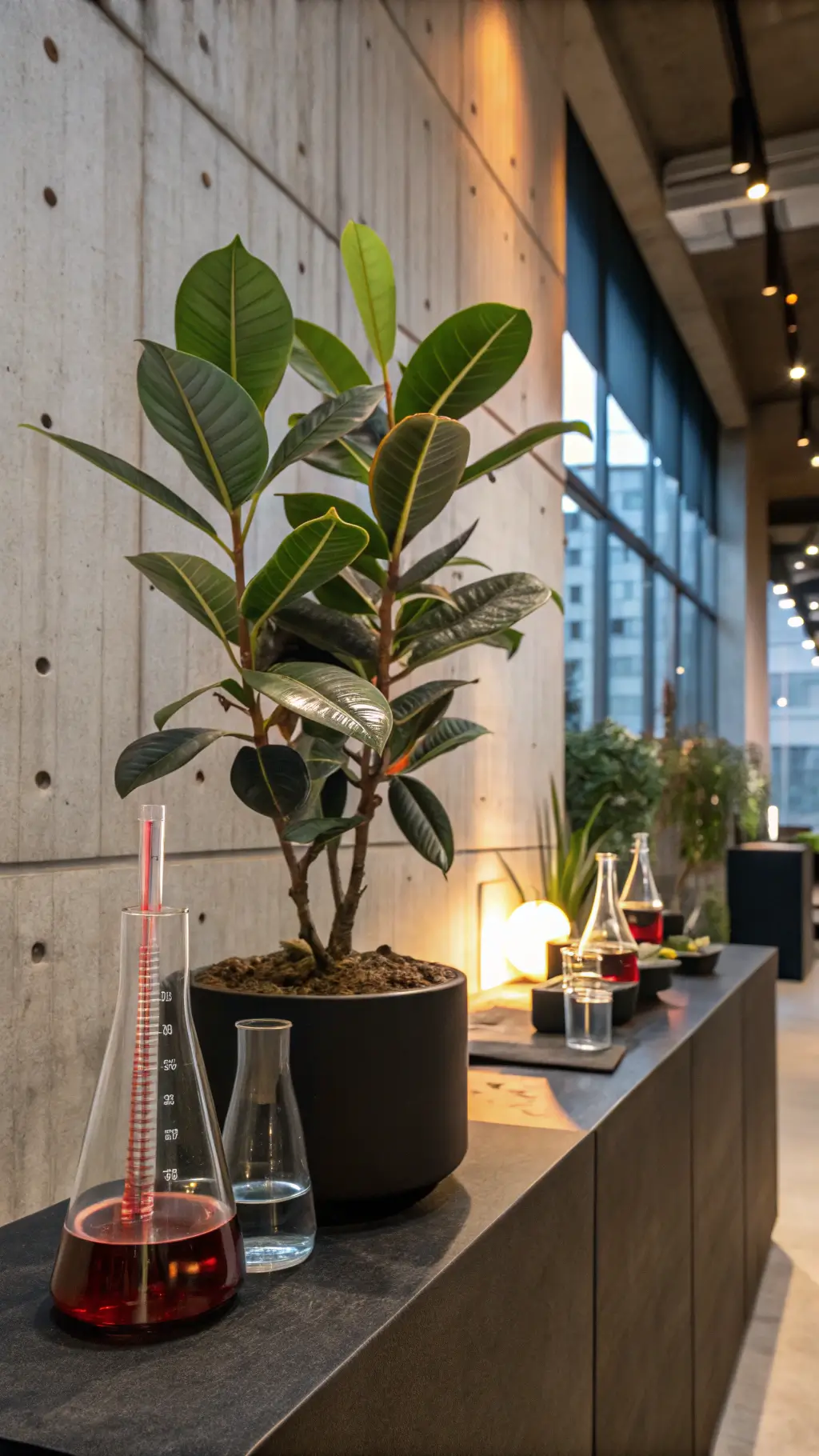
Fertilizer Guidelines:
- Monthly feeding during spring/summer
- Use diluted liquid houseplant fertilizer
- Winter? Give it a rest
Pruning and Maintenance: Keeping Your Plant Runway-Ready
Quick Maintenance Checklist:
- Prune to control size
- Dust leaves regularly
- Keep an eye out for sneaky pests
Troubleshooting Common Issues
Red Flags to Watch:
- Yellowing leaves? Probably overwatering
- Leaf drop? Check your watering and temperature
- Faded variegation? More light, please!
Important Safety Note
⚠️ Heads up: This beauty is toxic if ingested. Keep away from curious pets and kiddos!
Final Thoughts
The Ficus Tineke isn’t just a plant – it’s a statement. With these tips, you’ll have a show-stopping indoor plant that’ll make your Instagram followers green with envy.
Ficus elastica tineke needs bright, indirect light to maintain the pink variegation. Allow the soil to dry between waterings and wipe the broad leaves to remove dust.