
Origins and Unique Characteristics of the Panda Plant
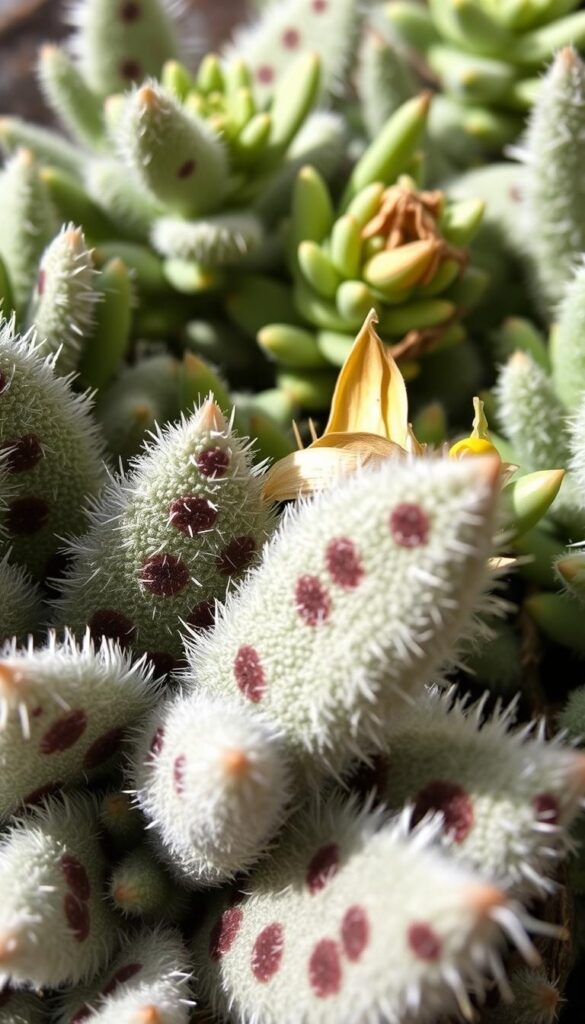
I grabbed a panda plant because those fuzzy, brown-tipped leaves look exactly like little bear paws. Mine sits on the sunniest windowsill I own and only drinks when the leaves go slightly soft, which happens about once every ten days. Low drama, high charm. 🙂
Why This Fuzzy Little Succulent Wins People Over
The Panda Plant earns its name honestly. indoor spaces love it because it rarely flowers inside and keeps its decorative look all year. It’s also pet-friendly, so it’s a safe pick for family homes.
What makes it so forgiving? It adapts to average room temps and bright, indirect light without throwing a tantrum. Whether you’re starting your plant journey or you already have a shelf full of greens, this succulents asks for very little and gives back a lot.
Kalanchoe tomentosa: A Madagascar Native With a Great Backstory
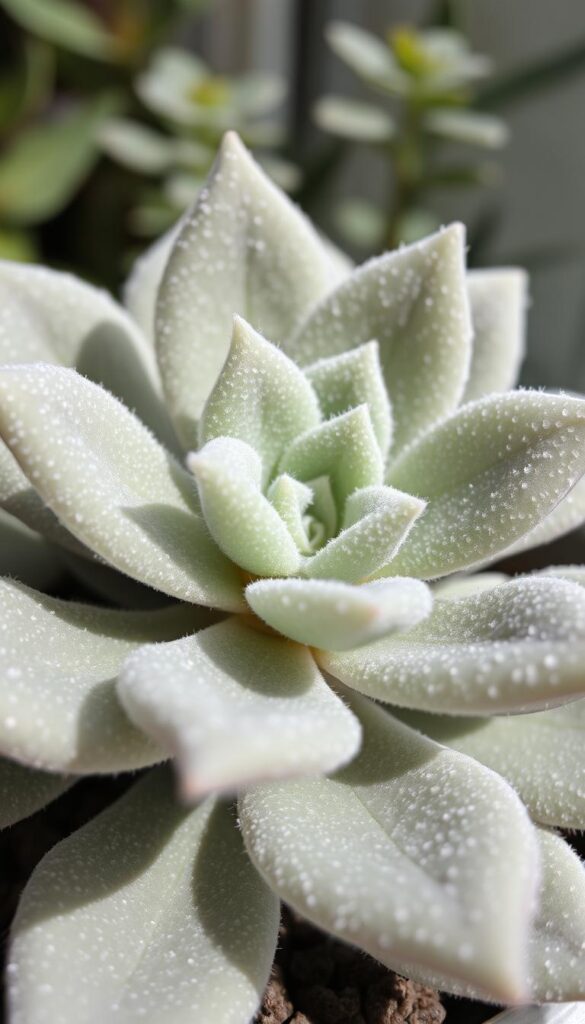
This fuzzy character goes by Kalanchoe tomentosa and hails from the dry landscapes of Madagascar. It belongs to the Crassulaceae family, the same drought-tolerant crowd cacti-adjacent collectors adore. The “tomentosa” part of the name means “covered in hairs” in Latin, which is a spot-on description of those velvety leaves.
The Story Behind the Name
Those leaves do double duty: they store water and they look adorable. That water storage is why forgetful waterers get a free pass here. The fuzz isn’t just for show either, it helps the plant shrug off dry air and bright light.
Varieties Worth Hunting Down
‘Chocolate Soldier’ is the standout, named for its chocolate-brown leaf edges. ‘Nigra’ and ‘Rubra’ swap in different edge colors if you want variety. Brighter light deepens those hues, so a sunny window literally makes the plant prettier. IMO that’s one of the better deals in the succulent world.
Planting and Propagating Your Kalanchoe tomentosa
Getting this plant started is about as hard as making toast. The right soil, pot, and timing do most of the work for you.
Choosing the Right Soil, Pot, and Location
Grab a pot with real drainage holes and fill it with a cactus or succulent mix. That gritty, airy soil keeps roots from sitting in moisture, which is the whole game with these plants. Set it somewhere bright but not blasted by direct sun.
Step-by-Step Propagation
Leaf cuttings or offshoots both work. Pick a healthy leaf, let the cut end dry and callus for a day or two, then tuck it into well-draining soil. Water sparingly until roots show up. It’s stubbornly effective.
Time It for Spring
Spring is the sweet spot for planting or propagating. Longer days and warmer temps help roots establish fast. Whatever you do, let the soil dry between waterings; that rule never goes out of style for succulents.
| Factor | Recommendations |
|---|---|
| Soil | Cactus or succulent mix for drainage and aeration |
| Pot | Choose a pot with drainage holes to prevent waterlogging |
| Location | Bright, indirect light for optimal growth |
| Timing | Spring for planting and propagation |
Caring for Your Panda Plant: Light, Water, and Fertilization
This is the easy part. The plant wants bright, indirect light and a drink only when the soil runs dry. Keep it in indoor spaces with good air and you’re most of the way there.
Nailing the Light
An east- or west-facing window is the jackpot. Direct sun scorches the leaves, and a gloomy north window leaves it wanting. The fuzz stays soft and healthy when the light is just right.
Watering Without the Guilt
Stick a finger in the soil; if it’s dry, water. If it’s even slightly damp, walk away. Use a draining mix and a holed pot so water never pools. That’s the whole secret.
| Factor | Recommendations |
|---|---|
| Light | Bright, indirect light |
| Water | Water when soil is dry |
| Soil | Use a well-draining mix |
| Fertilization | Fertilize once during the growing season |
Feed it once during the growing season with a gentle liquid fertilizer. Skip the leaves when watering; wet fuzz invites fungus. Other than that, this plant minds its own business.
Common Issues and Quick Fixes for Kalanchoe tomentosa
Two things cause almost all panda plant problems: too much water and the occasional bug. Both are fixable.
Overwatering and Root Rot
Yellow, mushy leaves scream “too much water.” Stop watering until the soil is bone dry, and repot into fresh mix if it’s truly soggy. The plant bounces back fast once you back off.
Pests and Stress
Mealybugs and spider mites show up now and then. Dab mealybugs with rubbing alcohol on a cotton swab. For mites, isolate the plant and hit it with insecticidal soap. Good airflow keeps both away.
| Issue | Signs | Solution |
|---|---|---|
| Overwatering | Yellow or mushy leaves | Stop watering until soil is dry; repot if necessary |
| Root Rot | Soft, rotting stems | Remove affected roots; repot in fresh soil |
| Mealybugs | White, cottony patches | Apply rubbing alcohol with a cotton swab |
| Spider Mites | Fine webbing on leaves | Isolate plant; treat with insecticidal soap |
Regular checks catch most trouble early. Keep the soil gritty, the air moving, and the water sparse, and this succulent stays happy.
My Takeaway on the Panda Plant
Mine taught me that patience beats perfection. Bright, indirect light and well-draining soil did the heavy lifting; I just remembered not to overwater. It’s slow-growing, sure, but watching those fuzzy leaves multiply is its own quiet reward. Keep it away from curious pets, even though it’s non-toxic, just to be safe.
The Bottom Line
The panda plant is a fuzzy, forgiving succulent that rewards neglect more than fuss. Give it bright indirect light, a fast-draining pot, and water only when the soil is truly dry, and it’ll thrive for years. Skip the leaf-spritz and keep it pet-safe, and you’ve got a low-maintenance friend for life. Give it a shot!