
Philodendron Radiatum Care Guide: The Oak-Leaf Climber That Splits With Age
I found a Philodendron radiatum juvenile with solid, arrow-shaped leaves at a local nursery. The seller explained that mature leaves develop deep splits and a lobed, oak-like shape — and that transformation is the whole appeal. A climber worth the wait. 🙂
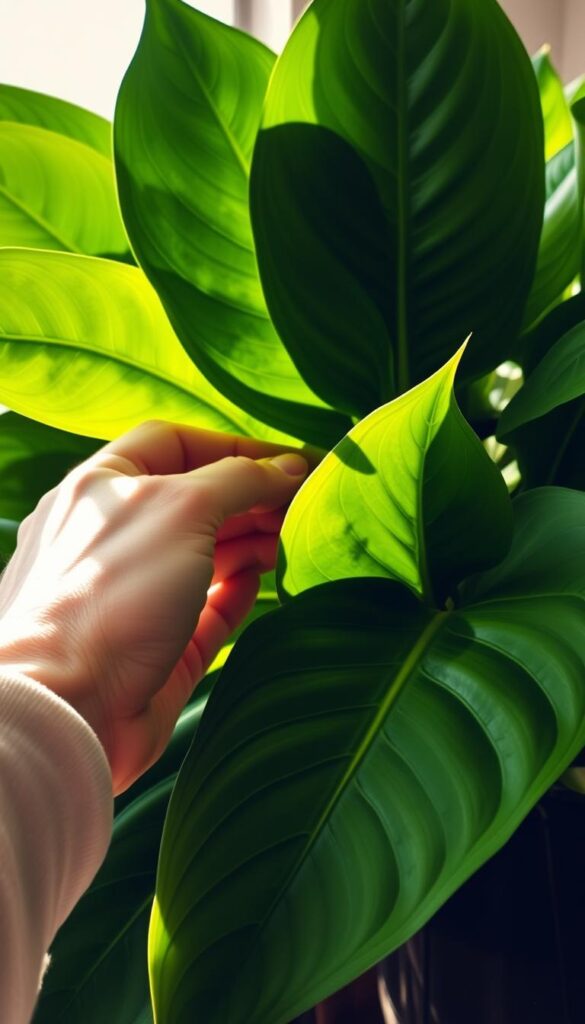
Why Radiatum Is Worth Growing
The juvenile-to-mature leaf change is dramatic — solid箭头 leaves become deeply lobed and dramatic. For green foliage collectors, it’s a standout once it climbs.
Light and Temperature
Bright, indirect light drives the mature split leaves. Warm temps (18–27°C) suit it. For parallel tips, tips on how to personalize your care apply across aroids.
Watering and Soil
Water when the top inch dries; a chunky mix drains fast. Radiatum stores some moisture, so it forgives a missed week. Plant care basics — observe, don’t schedule — keep it happy.
Humidity and Support
50%+ humidity and a moss pole unlock the mature lobed leaves. Planting and potting your Philodendron on a pole is the move — the splits only appear on a climbing plant. Happy planting once it’s staked.
Troubleshooting
- Leaves staying solid: Not climbing yet — add a pole
- Yellow leaves: Overwatering
- Crispy edges: Low humidity
The Bottom Line
The Philodendron Radiatum care guide: bright indirect light, chunky soil, water when dry, humidity, and a moss pole to trigger the mature split leaves. The leaf transformation is the payoff. IMO, it’s the most rewarding “ugly duckling” climber. So stake it, give it a shot, and wait for those oak leaves. 😉