
Discovering the Philodendron Selloum
The Selloum — sometimes called tree philodendron — is the big, bold leafy cousin that fills a corner and asks for surprisingly little. Those deeply lobed, glossy leaves make it look like a tropical statement piece.
This Philodendron is a forgiving starter for anyone wanting drama without daily fuss. Here’s how to keep it thriving.
Unique Characteristics and Stunning Foliage
Selloum leaves can span well over a foot, split almost to the midrib, and sit on thick, trunk-like stems as the plant matures.
Indoor and Outdoor Growing
It grows happily indoors in a bright spot, or outdoors in warm, frost-free zones where it can really stretch. Indoor specimens stay smaller but still impressive.
Planting and Soil Preparation
Get the foundation right and the rest is easy.
Choosing a Well-Draining Soil
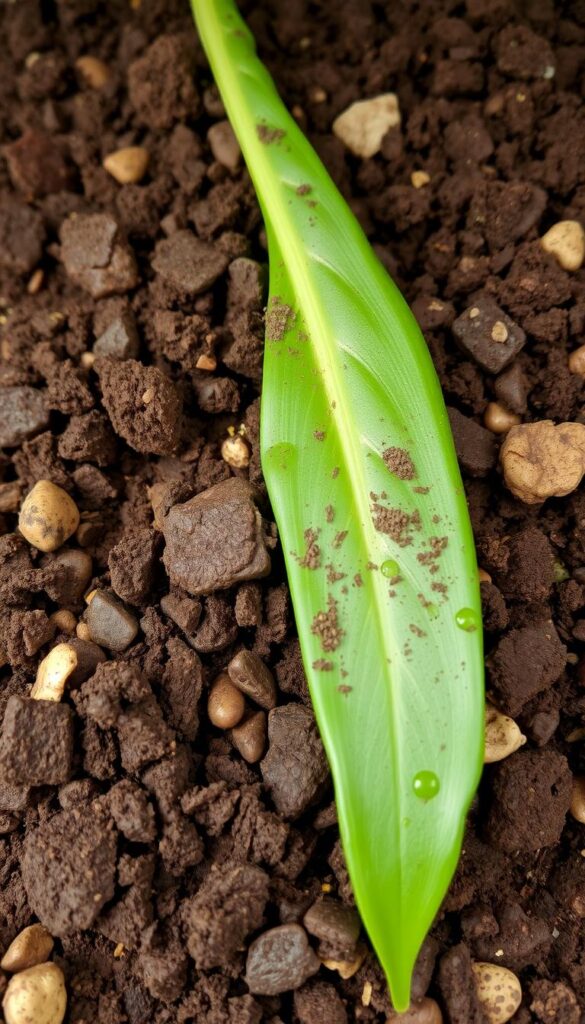
Use a rich, airy mix — potting soil amended with bark and perlite. The goal is moisture that doesn’t linger around the roots.
Potting Tips and Space
Pick a pot with real drainage holes and room to grow. A heavy pot keeps a mature Selloum from tipping once those leaves fill out. For more on the foliage side of things, that guide digs deeper.
Watering and Humidity: Avoiding Root Rot
This is the one place people go wrong, so pay attention.
Correct Moisture Levels
Water when the top 1–2 inches dry out. Selloum likes even moisture but hates a wet bottom — empty the saucer after watering.
Preventing Overwatering
If leaves yellow and droop, check the soil before adding more water. Soggy mix is the usual culprit behind root rot.
Here’s a quick care demo that covers the basics visually:
Lighting and Temperature
Bright, indirect light keeps the leaves lush and full.
Benefits of Bright, Indirect Light
Too much direct sun scorches; too little thins the growth. A few feet from a bright window is the sweet spot.
Indoor Temperature and Humidity
Aim for 18–27°C (65–80°F) and average-to-high humidity. A humidifier helps in dry winters.
Selloum Care Guide: Essential Tips
The core routine in one place.
Fertilization, Pruning, and Maintenance
- Feed monthly in spring and summer with a balanced fertilizer.
- Prune old or damaged leaves at the base to keep energy on new growth.
- Wipe leaves occasionally to keep them photosynthesizing.
Easy DIY Propagation
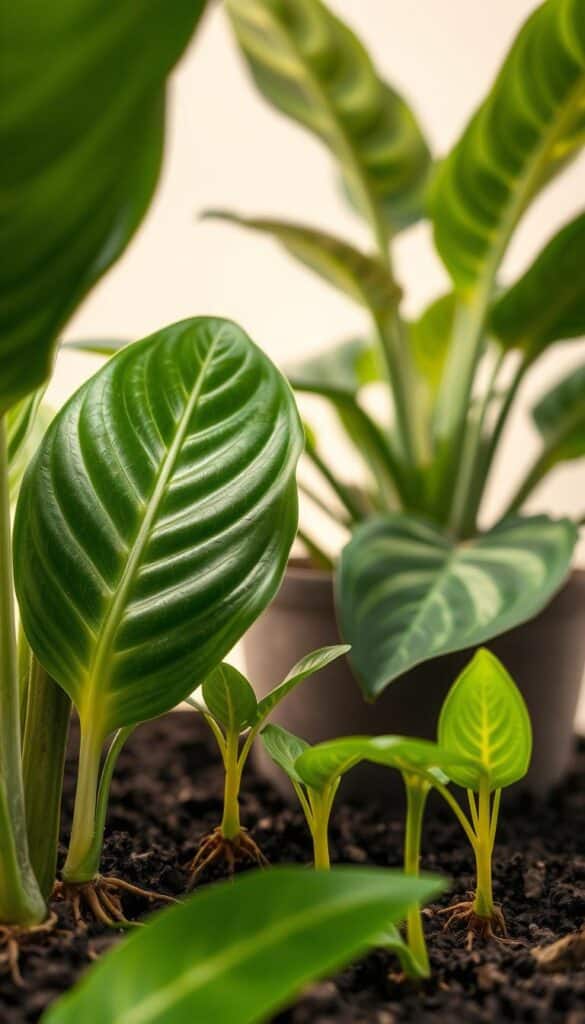
Selloum is best propagated by division or stem cuttings with a node. Here’s a no-fuss grow-along:
Troubleshooting and Pest Management
Most issues trace back to water or light, so start there.
Disease, Yellowing, and Root Problems
Yellow lower leaves often mean overwatering; brown tips point to dry air. Adjust the environment before reaching for sprays.
Effective Pest Control
Scale and mealybugs occasionally appear. Wipe them off with neem oil and improve airflow. If you’re training a larger specimen, our tree philodendron guide walks through shaping it.
| Feature | Indoor | Outdoor |
|---|---|---|
| Lighting | Bright, indirect light | Partial shade |
| Growth | Compact with pruning | Large, sprawling |
| Soil | Well-draining potting mix | Fertile garden soil |
| Tip | Propagation | Pruning |
|---|---|---|
| Monthly feeding with balanced fertilizer | Use stem cuttings in water or medium | Cut stems to shape and remove dead leaves |
| Prune to control size | Roots develop in 1-2 months | Use clean tools to prevent infection |
Conclusion
The Selloum is a big-leafed softy that wants bright indirect light, a well-draining mix, and water only when the top soil dries. Feed lightly, prune the old leaves, and give it a shot — within a season you’ll have a lush tropical corner that looks far harder to grow than it actually is.