
Hey there, fellow plant enthusiasts!
My rainbow cactus was a two-dollar find at a farmers market, barely three inches across with muted stripes. After two summers on my sunniest shelf, the bands of pink, green, and cream have become vivid enough to see from across the room.
Trust me, once you see those stunning multicolored spines, you’ll be hooked just like I was!
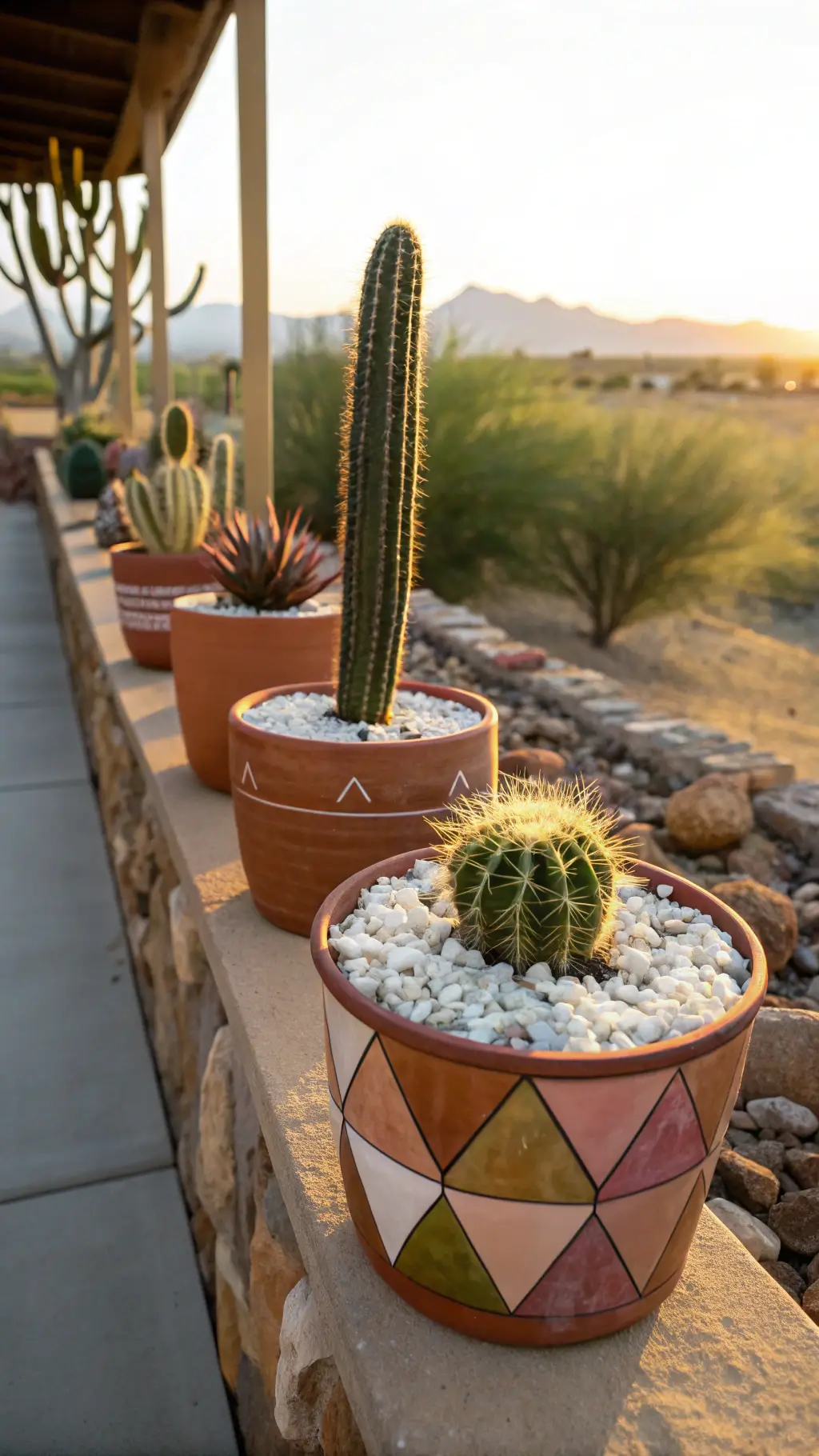
Why You’ll Fall in Love with Rainbow Cactus
I remember the first time I spotted one at a local nursery – it stopped me dead in my tracks.
These compact showstoppers only grow about 10 inches tall, but boy, do they pack a visual punch!
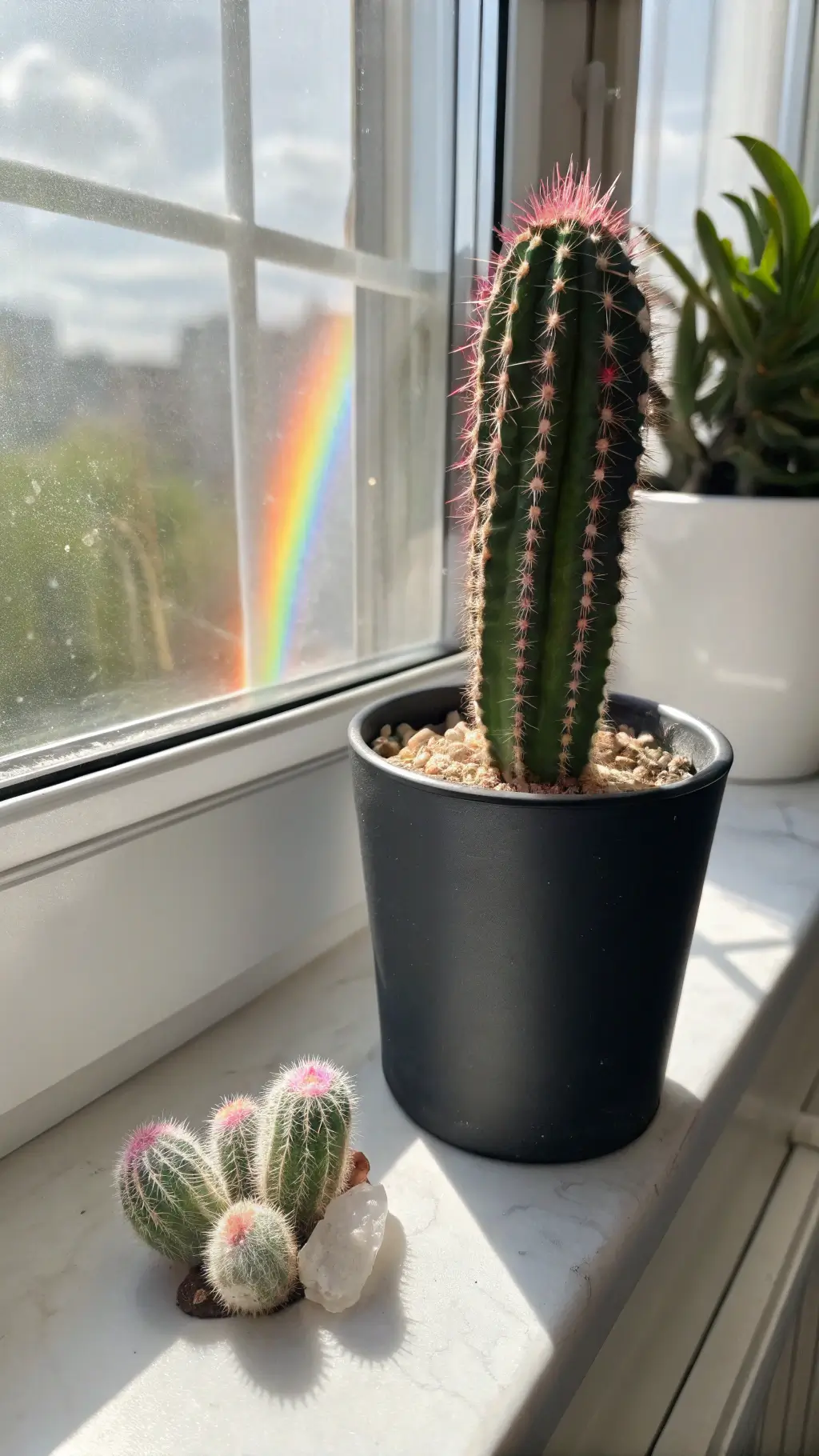
The real magic? Those incredible spine bands that shift from deep magenta to soft pink and creamy white.
Getting Your Rainbow Cactus to Thrive
Sun Exposure:
- Full sun is best, but they’ll tolerate partial shade
- Morning sun with afternoon protection works great in hot climates
- Place indoor plants in your brightest window
Soil & Watering:
- Use fast-draining cactus mix
- Add extra perlite for better drainage
- Water deeply but infrequently
- Let soil dry completely between waterings
Temperature & Climate:
- Surprisingly tough – handles down to 10°F
- Perfect for USDA zones 8-11
- Protect from freezing rain and snow
The Blooming Show
Get ready for the spring spectacle!
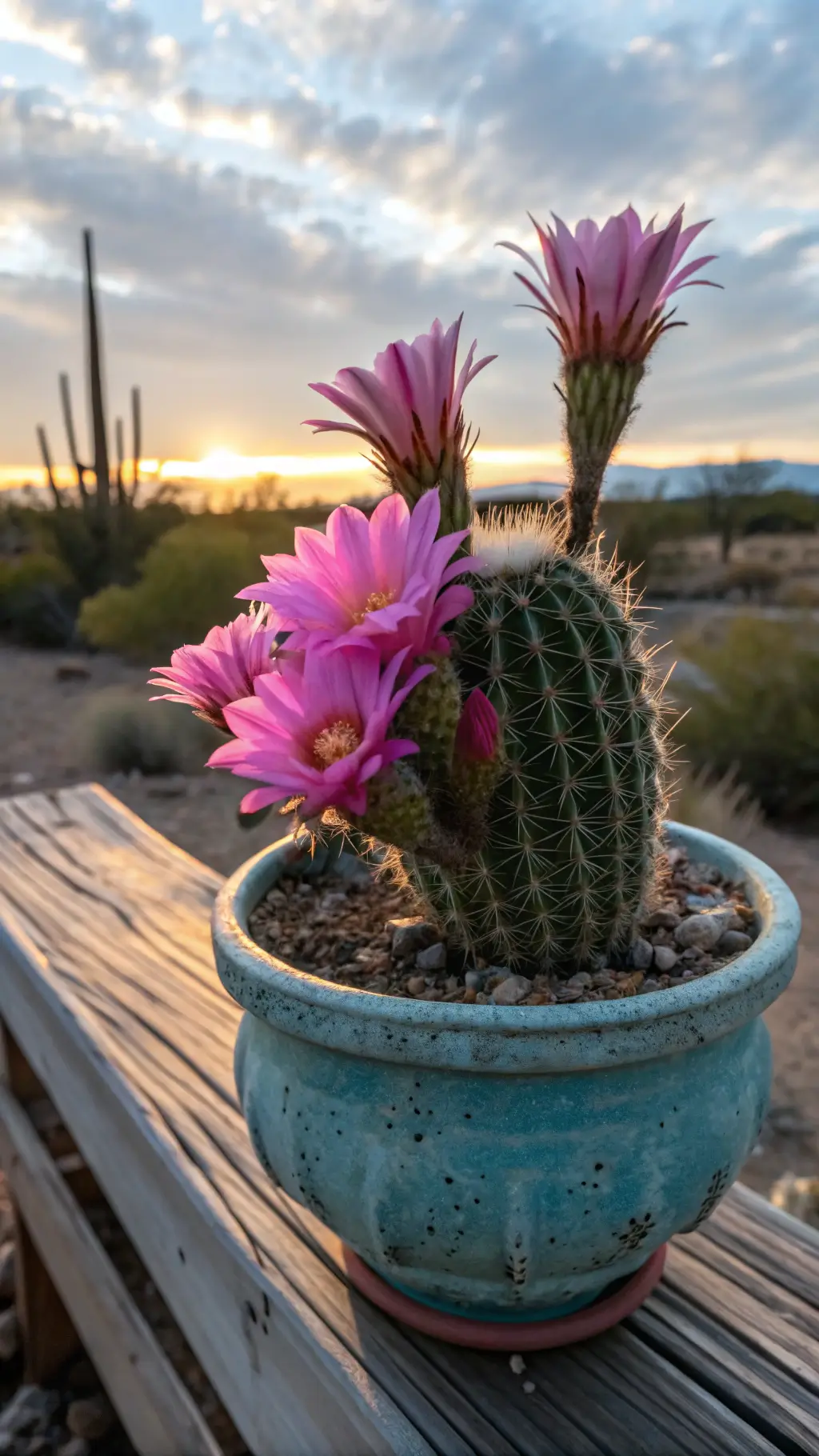
These cacti produce gorgeous pink-to-magenta flowers that’ll make your heart skip a beat.
Each bloom spans 2-3 inches – huge compared to the plant’s size!
Common Problems & Solutions
Based on my experience, watch out for:
- Overwatering (the #1 killer)
- Insufficient drainage
- Too little light
- Winter moisture
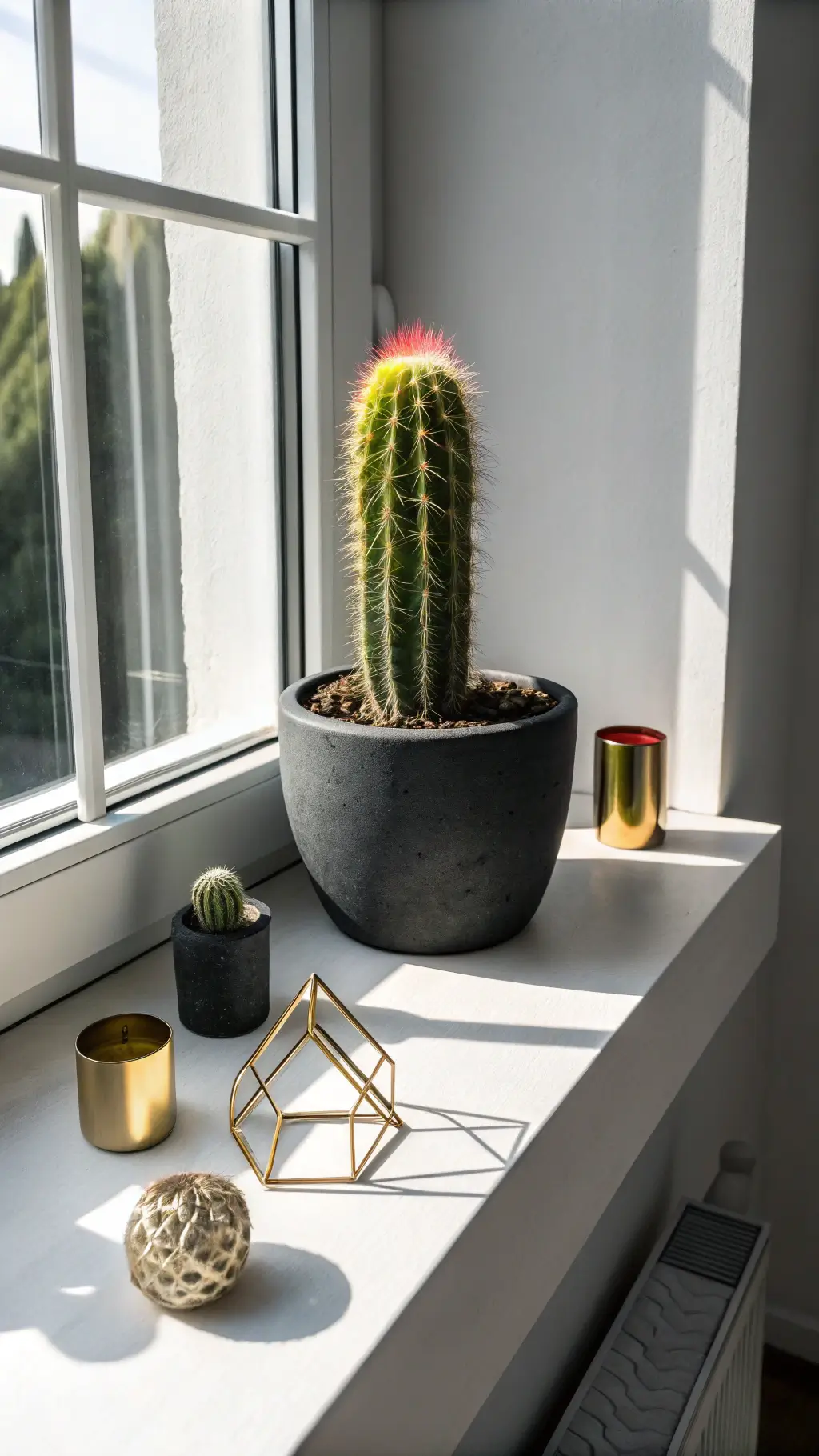
Pro Tips from My Garden
- Plant in glazed ceramic pots with drainage holes
- Top dress with decorative gravel
- Rotate pot quarterly for even growth
- Feed sparingly with cactus fertilizer in growing season
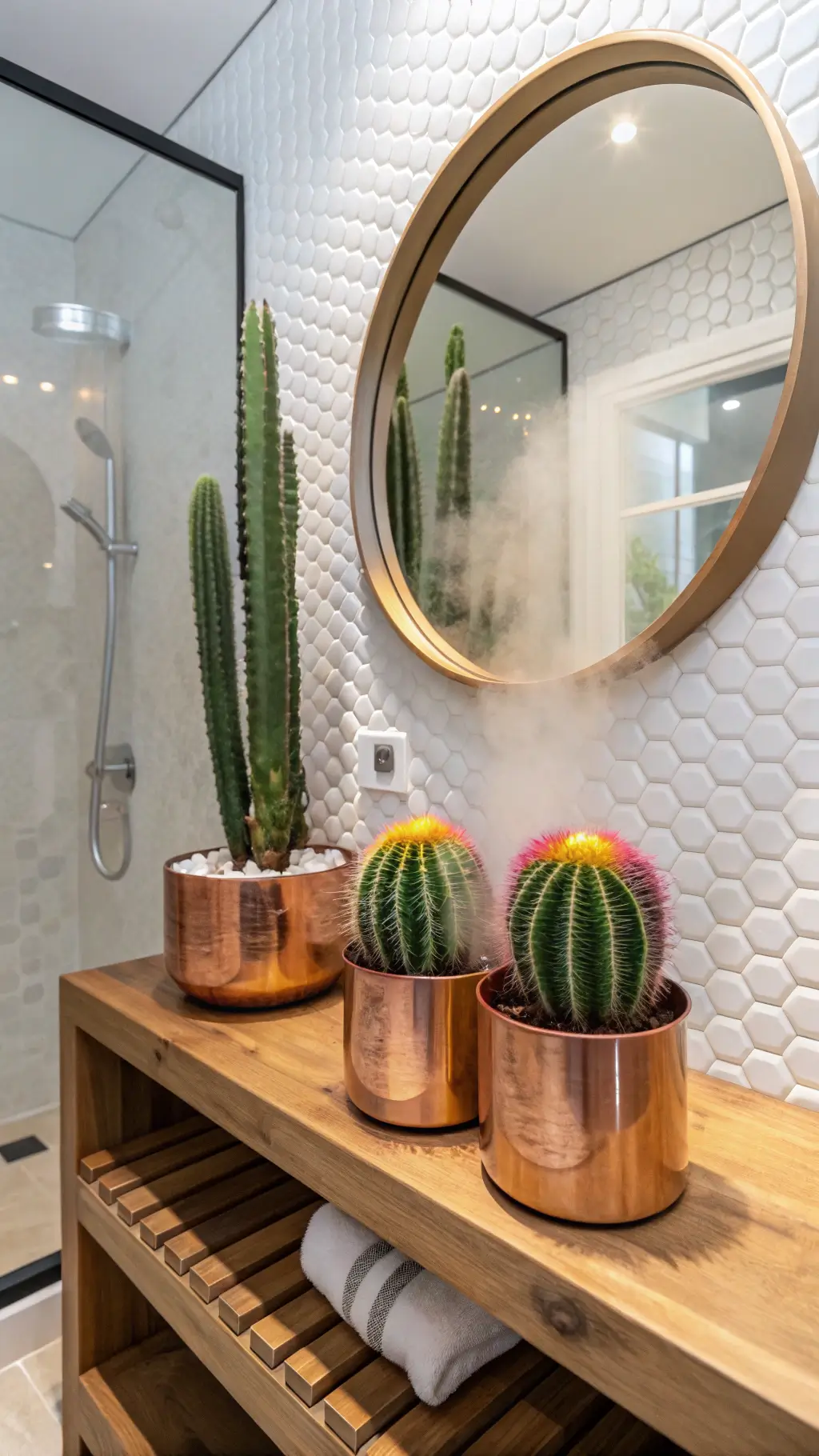
Whether you’re a seasoned gardener or just starting out, rainbow cactus is a rewarding choice that’ll bring years of colorful joy to your space.
Rainbow cactus needs strong light to develop its colored bands. Plant it in gritty cactus soil and water only when dry, giving it a winter rest with almost no water.