
The Ultimate Seasonal Bonsai Care Guide: Nurturing Your Miniature Masterpiece All Year Round
I mark my calendar with four bonsai maintenance dates each year instead of trying to remember when each task is due. Repotting happens in early spring, heavy pruning in late spring, wiring in summer, and winter protection setup before the first frost.
Bonsai trees are living art that demand your attention and care throughout the year. This comprehensive guide will walk you through the intricate dance of seasonal maintenance that keeps these miniature marvels thriving.
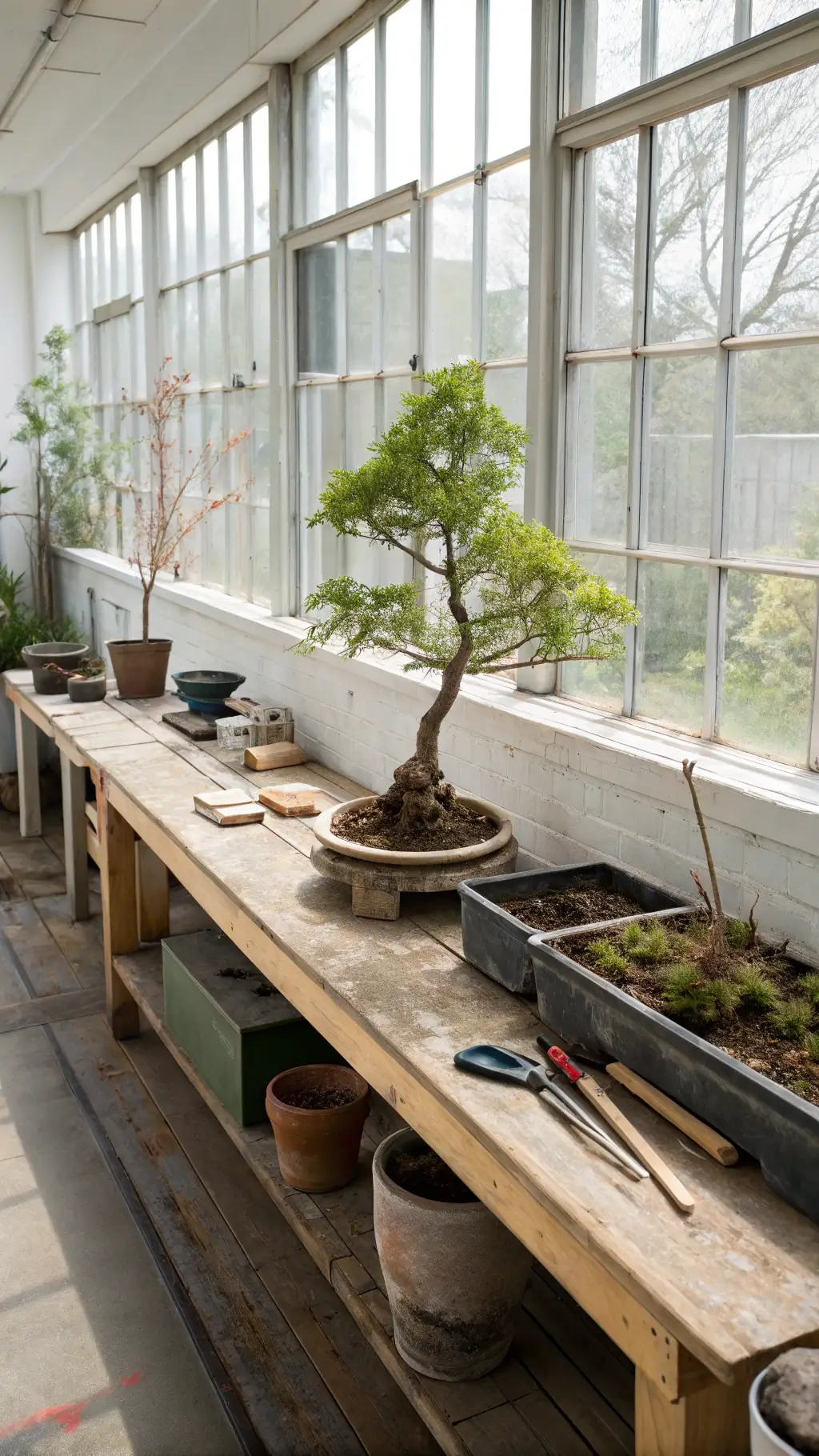
Spring: Awakening Your Bonsai’s Potential
Repotting: The Annual Refresh
Spring is your bonsai’s reset button.
Key Repotting Tips:
- Timing is everything: Wait until leaf buds are swelling
- Choose a day with mild temperatures
- Use fresh, well-draining bonsai soil mix
- Handle roots gently and with precision
Pruning: Shaping Your Green Sculpture
Structural pruning is your artistic moment.
Pruning Essentials:
- Remove dead or crossing branches
- Maintain the tree’s desired shape
- Use clean, sharp pruning tools
- Cut at 45-degree angles for optimal healing
Fertilizing: Nutrition Kickstart
New growth demands nutrition.
Fertilizer Guidelines:
- Use balanced, water-soluble fertilizer
- Apply every two weeks
- Start with half-strength solutions
- Gradually increase concentration
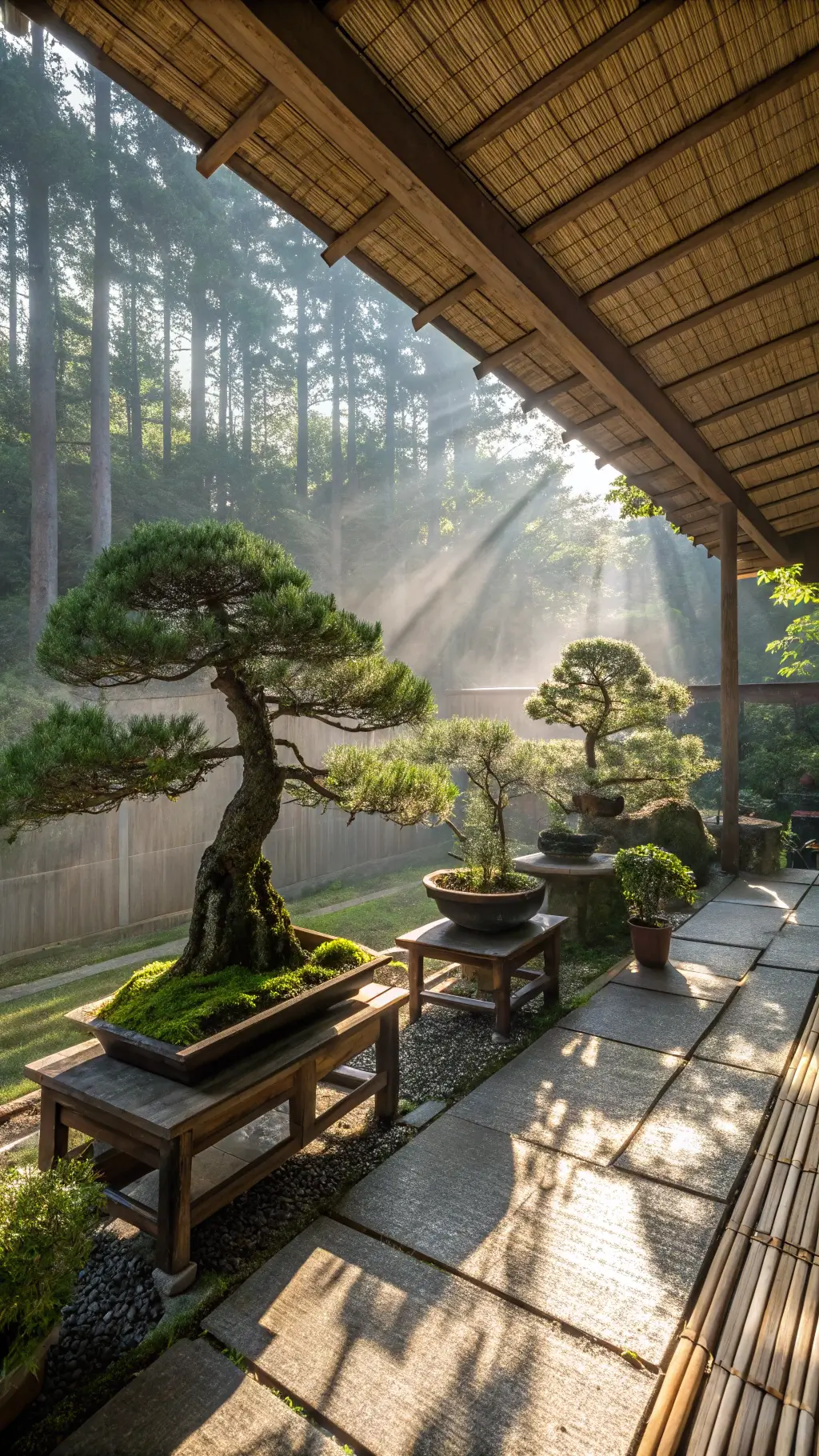
Summer: Protecting and Maintaining
Watering: The Lifeline
Summer heat can be brutal for bonsai.
Watering Strategies:
- Check soil moisture daily
- Water 2-3 times during extreme heat
- Use a moisture meter for precision
- Avoid midday watering
Placement: Sheltering Your Miniature Tree
Protect from intense afternoon sun.
Shade and Protection Tips:
- Use shade cloth for delicate species
- Move potted trees to partial shade
- Create micro-climate protection
- Monitor leaf color for stress signals
Pest Control: Staying Vigilant
Summer brings unwanted visitors.
Pest Prevention:
- Inspect leaves weekly
- Use neem oil for organic treatment
- Remove affected parts immediately
- Maintain good air circulation
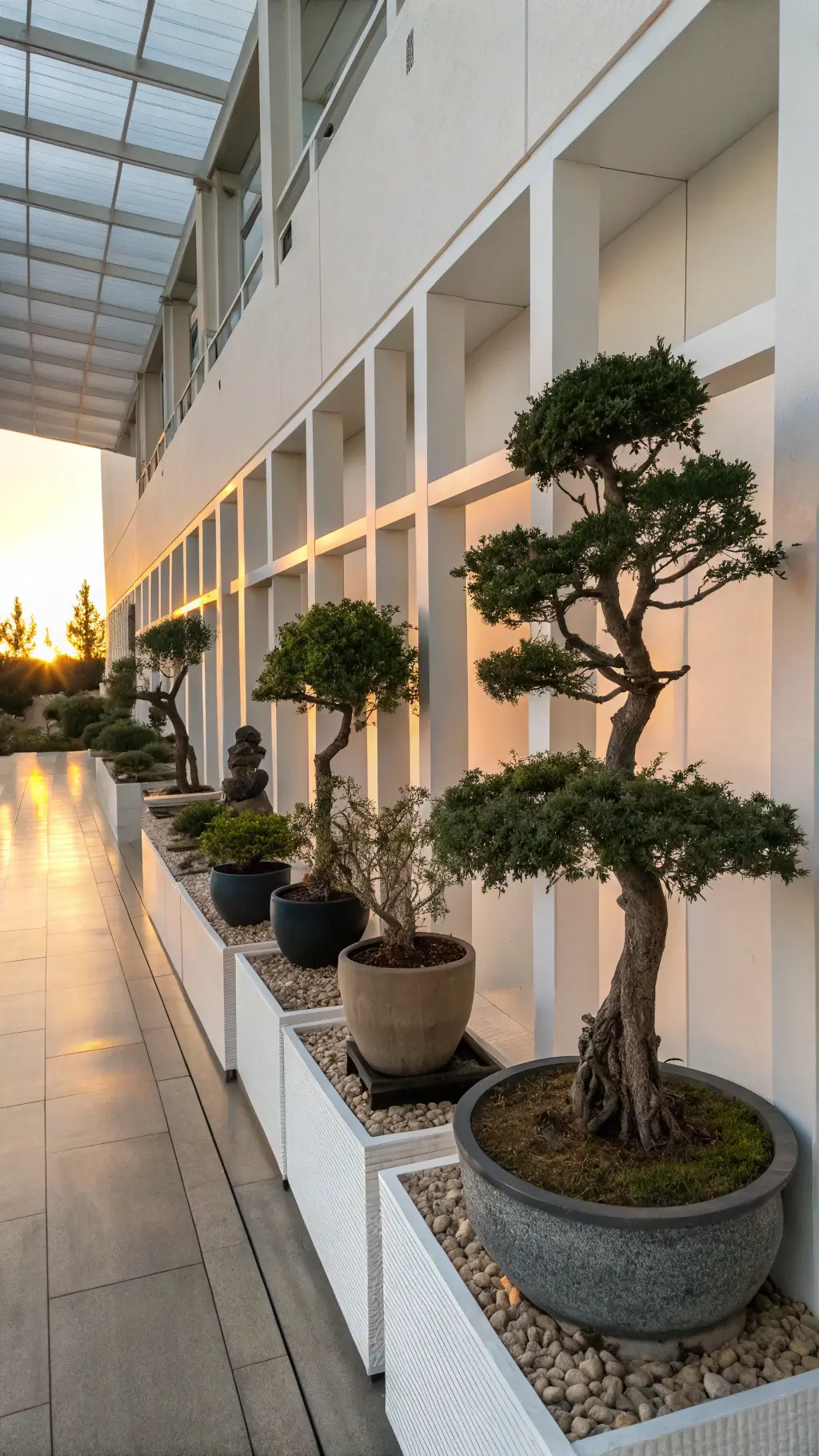
Fall: Preparing for Dormancy
Fertilizing: Winter Preparation
Shift nutritional strategy.
Fall Fertilization:
- Reduce nitrogen content
- Use potassium-rich fertilizers
- Slow down feeding frequency
- Support root development
Pruning: Gentle Maintenance
Light touch is key.
Fall Pruning Principles:
- Minimal structural adjustments
- Remove weak or damaged branches
- Avoid heavy cutting
- Focus on overall tree health
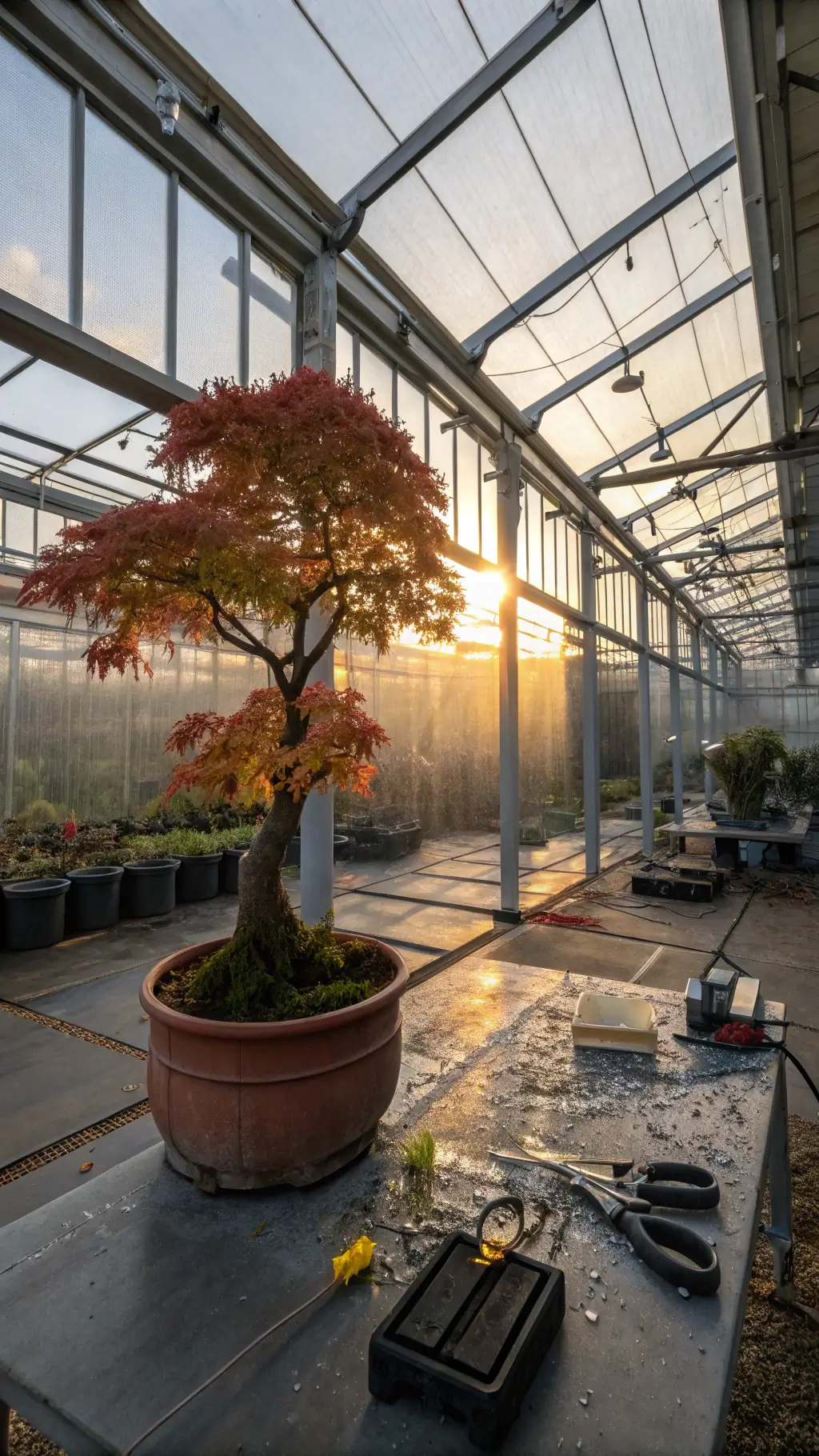
Winter: Rest and Reflection
Protection: Survival Mode
Different species need different care.
Winter Protection Strategies:
- Move tropical species indoors
- Use cold frames for hardy trees
- Avoid dramatic temperature changes
- Provide minimal but consistent care
Maintenance: Planning Ahead
Quiet season for learning and preparation.
Winter Tasks:
- Clean and sharpen tools
- Study bonsai techniques
- Plan next season’s approach
- Inspect trees for potential issues
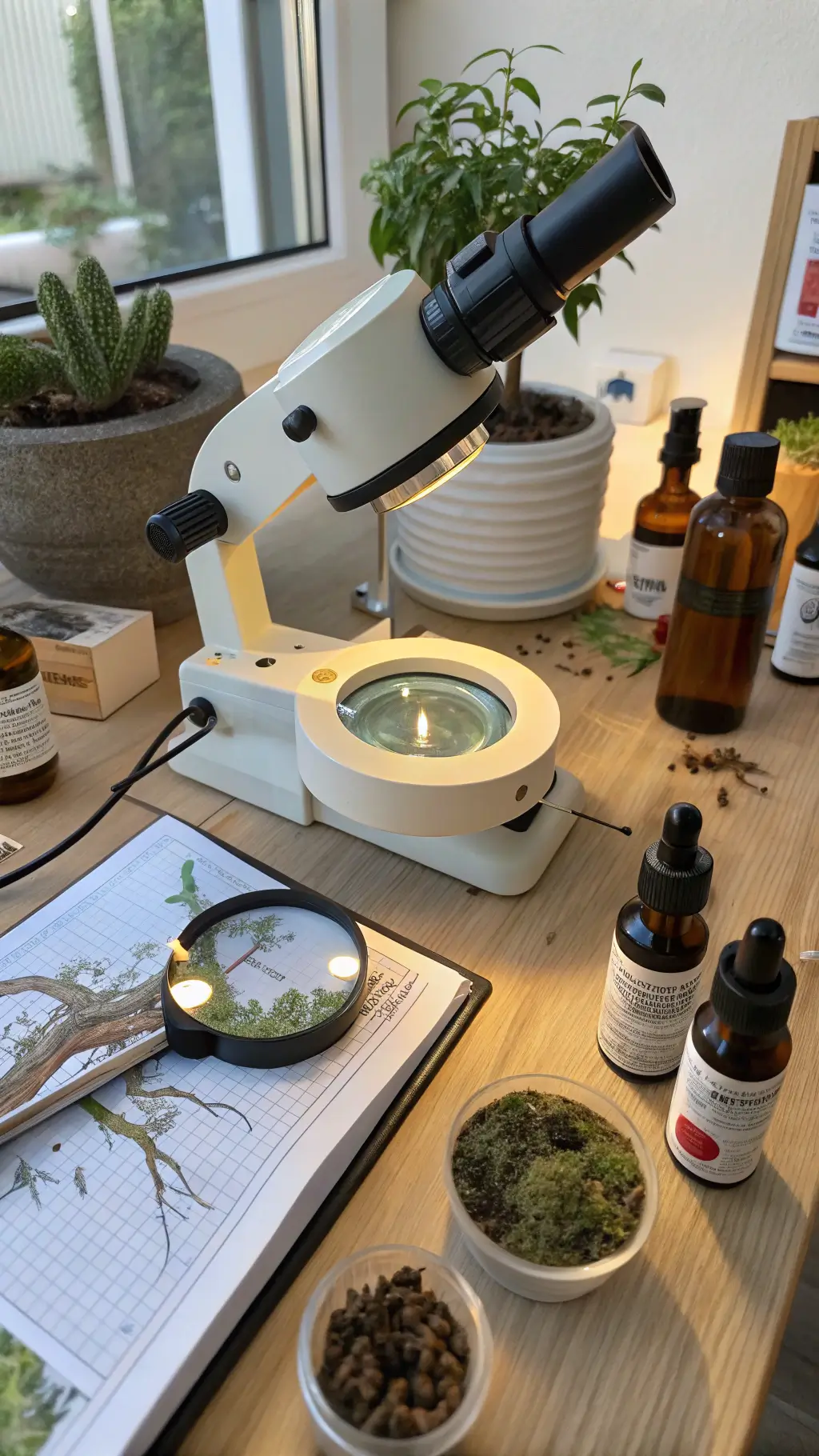
Pro Tips for Year-Round Success
Universal Bonsai Care Rules:
- Observe individual tree needs
- Stay flexible with care routines
- Learn from each season’s challenges
- Rotate trees for even growth
- Maintain patience and consistent care
Remember, every bonsai is unique. This guide is a roadmap, but your tree will always be the ultimate teacher.
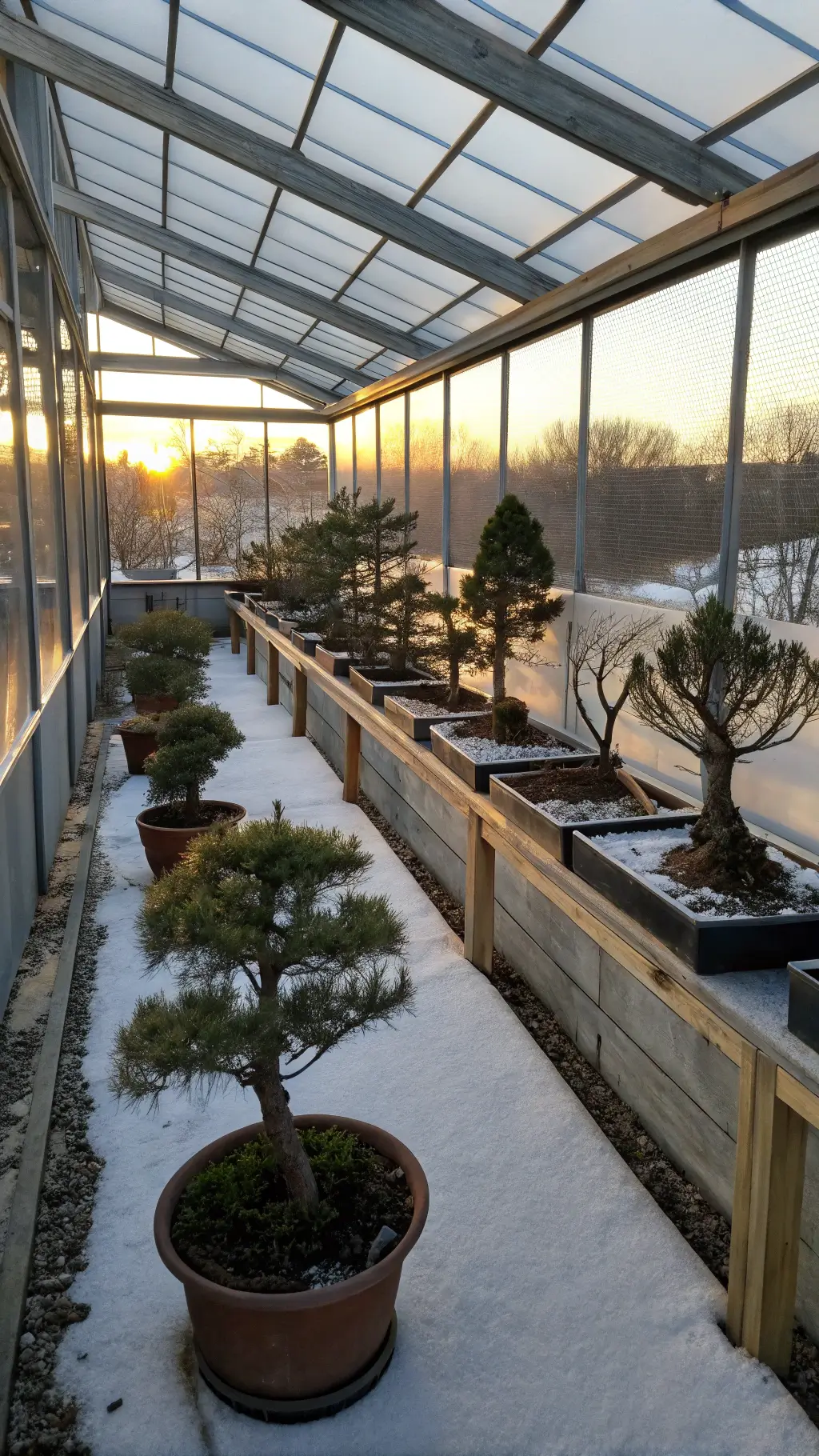

Seasonal bonsai care follows the tree’s natural growth cycle. Repot and root prune in spring, wire and shape in summer, reduce fertilizer in fall, and protect from freezing in winter.