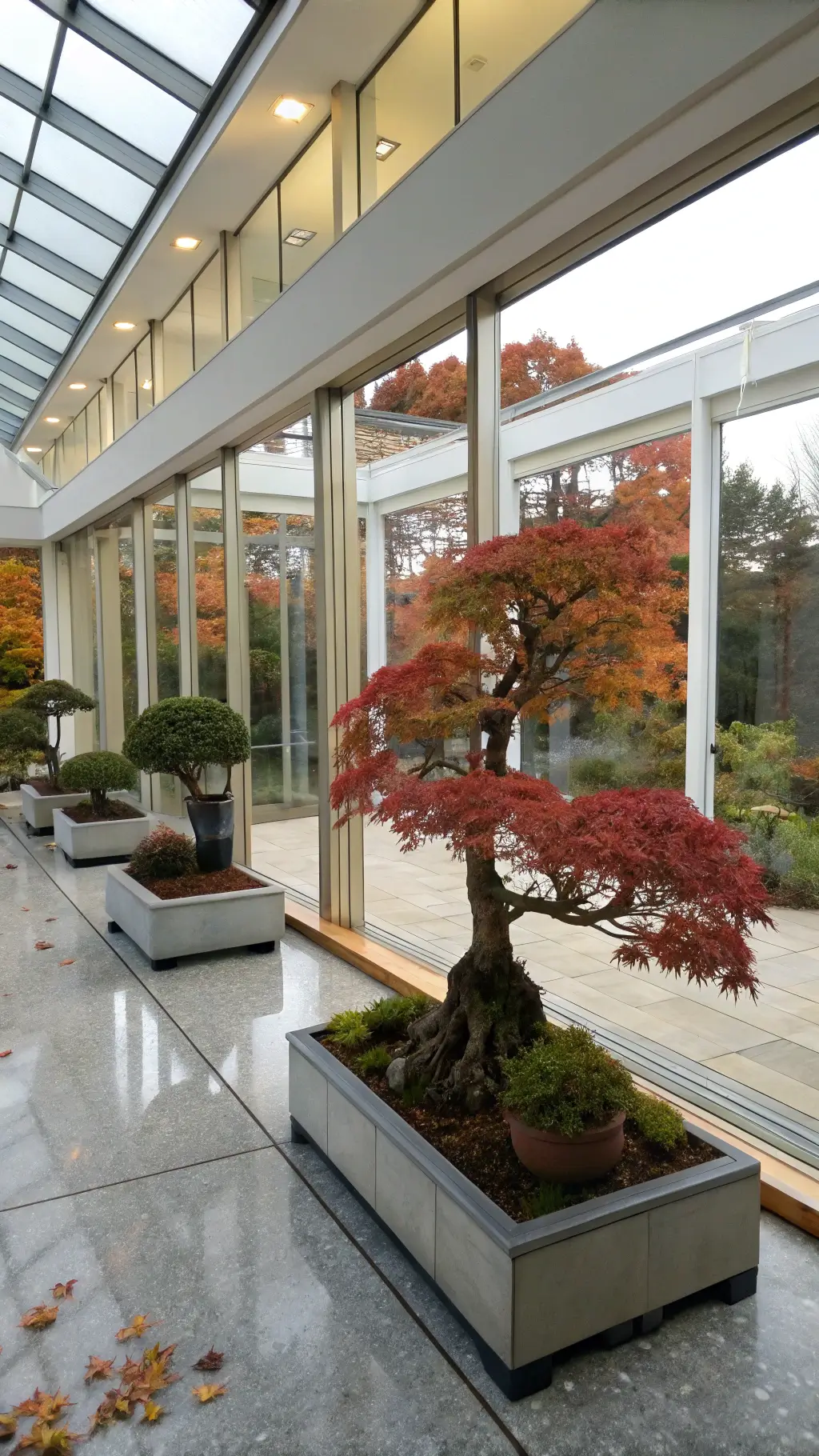
Mastering Bonsai Shaping: The Art of Pruning and Wiring
I wired my first juniper branch after watching a demonstration at a local bonsai club. The wire felt strange in my hands, but within three months the branch had set into a gentle curve that looked natural instead of artificial.
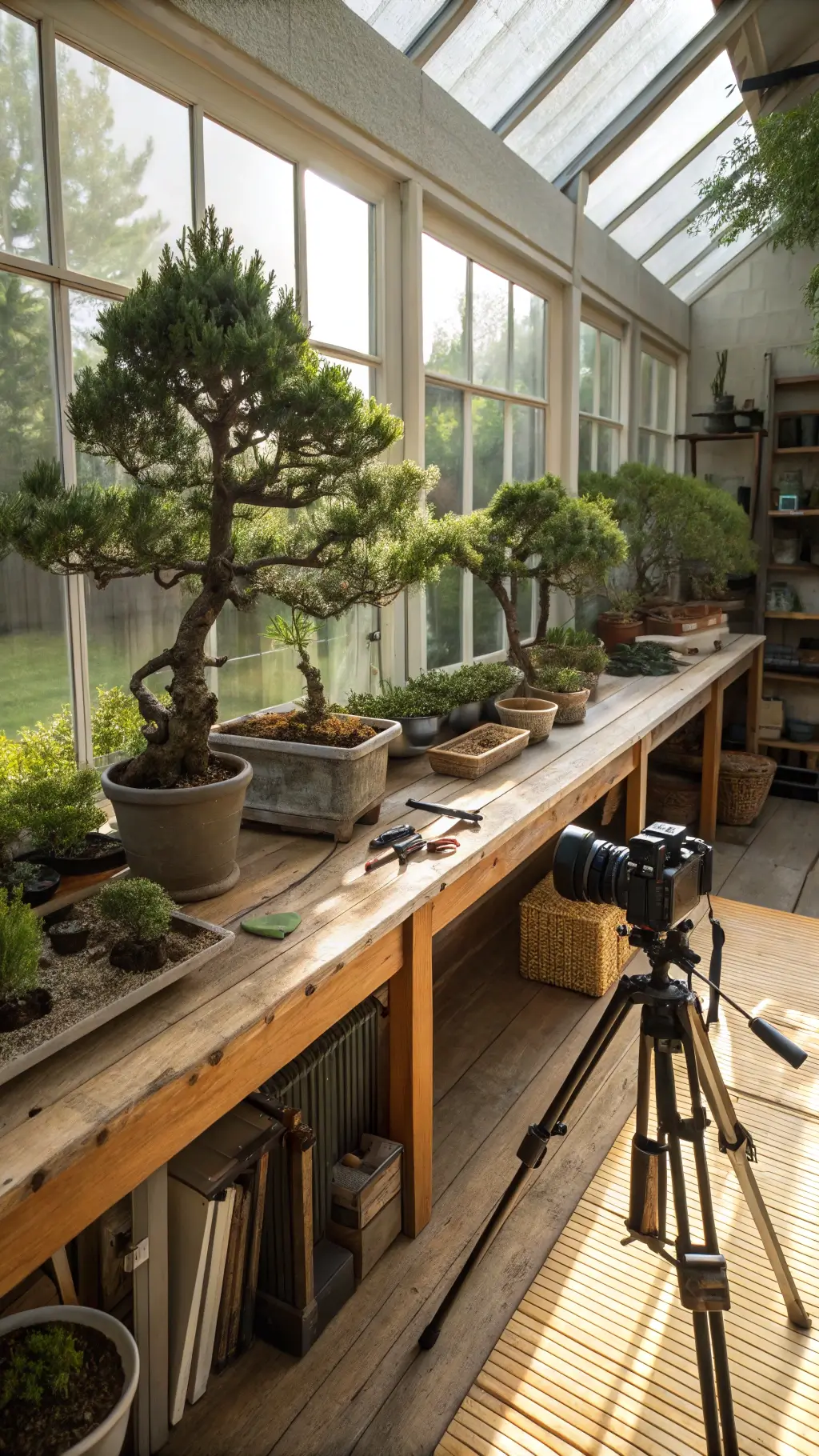
Shape bonsai by pruning for structure and wiring for position. Remove wire before it cuts into the bark, and prune during active growth so the tree recovers quickly.
Understanding Bonsai Shaping: More Than Just Cutting and Bending
Shaping a bonsai isn’t just gardening. It’s an art form that requires patience, skill, and a gentle touch. Think of yourself as a tree sculptor, carefully guiding your living artwork into something magical.
Pruning: Your First Sculpting Tool
Pruning is like giving your bonsai a strategic haircut. But not all cuts are created equal!
Maintenance Pruning: The Regular Tune-Up
- Trim new growth consistently
- Keep the tree’s existing shape crisp and clean
- Perform during active growing season
Structural Pruning: The Major Redesign
- Remove larger branches
- Reshape the tree’s fundamental structure
- Do less frequently than maintenance pruning
Pro Tip: Always prune with purpose. Ask yourself: “What am I trying to achieve with this cut?”
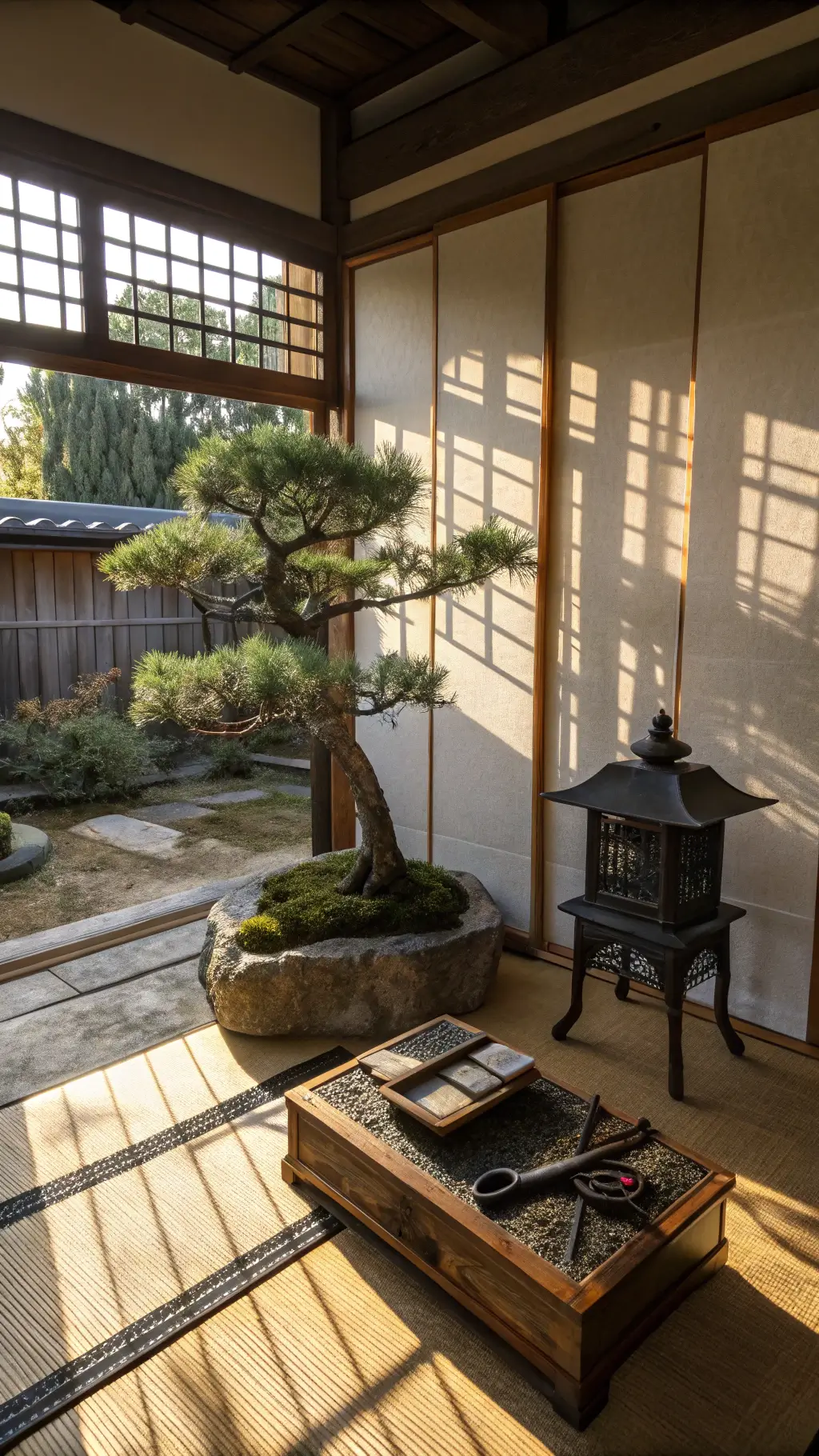
What to Remove During Pruning:
- Branches growing straight up or down
- Crossing or rubbing branches
- Branches growing towards the trunk
- Overly long or awkwardly positioned branches
Timing Matters:
- Deciduous trees: Prune during late winter/early spring
- Conifers: Prune in mid-spring or early summer
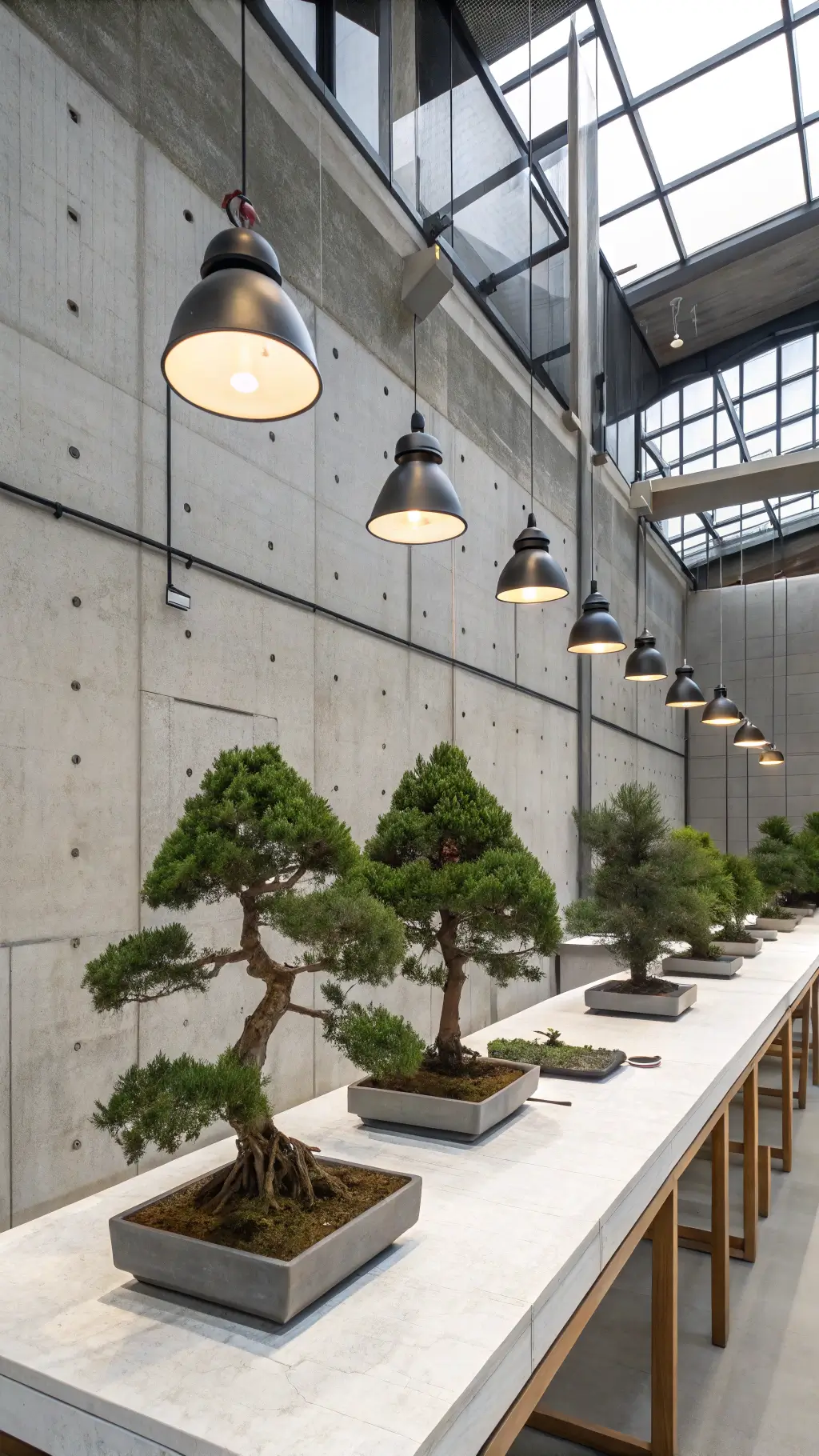
Wiring: Shaping Your Living Sculpture
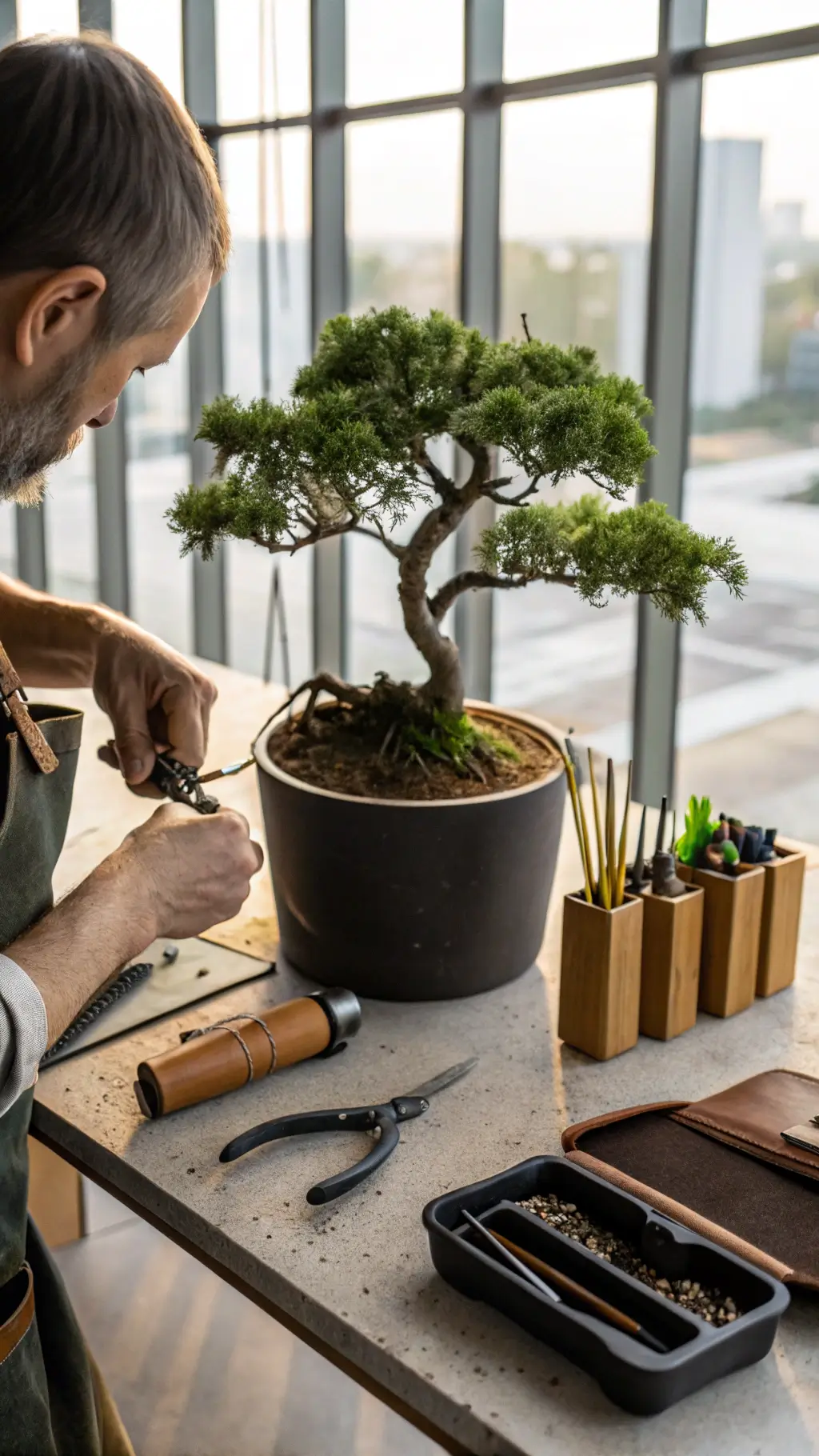
Wiring is like gentle physical therapy for your bonsai. You’re guiding its growth, not forcing it.
Wiring Techniques:
- Use aluminum or copper wire
- Wire thickness should be about 1/3 of branch thickness
- Wrap wire at a 45-degree angle from trunk outwards
- Caution: Don’t wrap too tightly!
Wire Management Checklist:
- Leave wire on for 3-6 months
- Remove before wire cuts into growing branch
- Wire in order: trunk → large branches → small branches
- Bend branches slowly and gradually
The Bonsai Shaping Mindset
Successful bonsai shaping isn’t just technique – it’s philosophy:
Golden Rules:
- Have a clear vision before starting
- Work gradually (months to years, not days)
- Step back and assess frequently
- Stay patient
- Use clean, sharp tools
Final Thoughts
Shaping a bonsai is a journey of creativity, patience, and connection with nature. Each cut, each wire placement is a conversation with your tree.
Remember: You’re not just trimming a plant. You’re creating living art.
Pro Gardener’s Secret: The most beautiful bonsai look effortless – but behind that elegance is hours of careful, thoughtful work.
Shape bonsai by pruning for structure and wiring for position. Remove wire before it cuts into the bark, and prune during active growth so the tree recovers quickly.