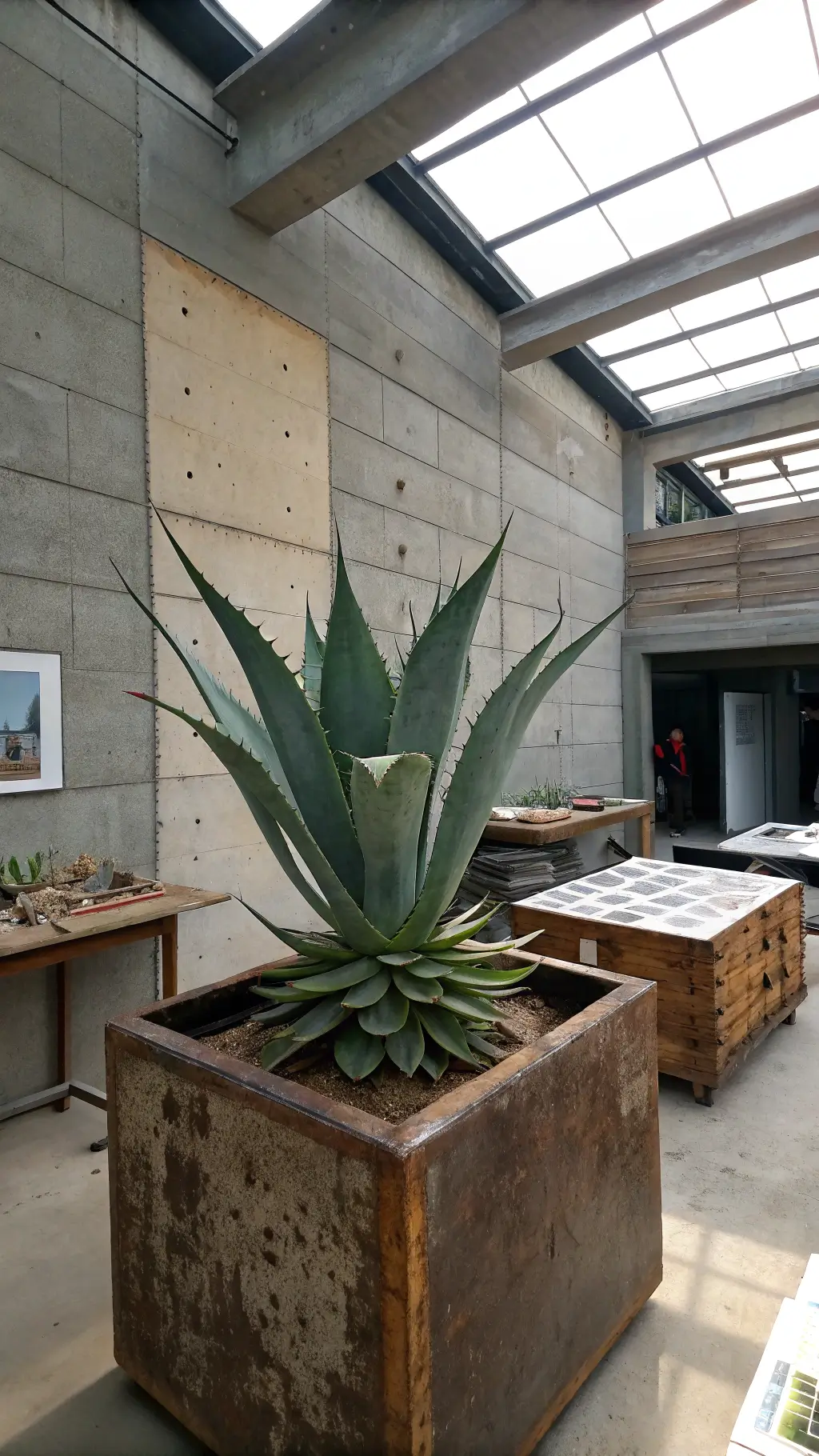
Whale’s Tongue Agave: The Stunning Succulent That Transforms Your Landscape
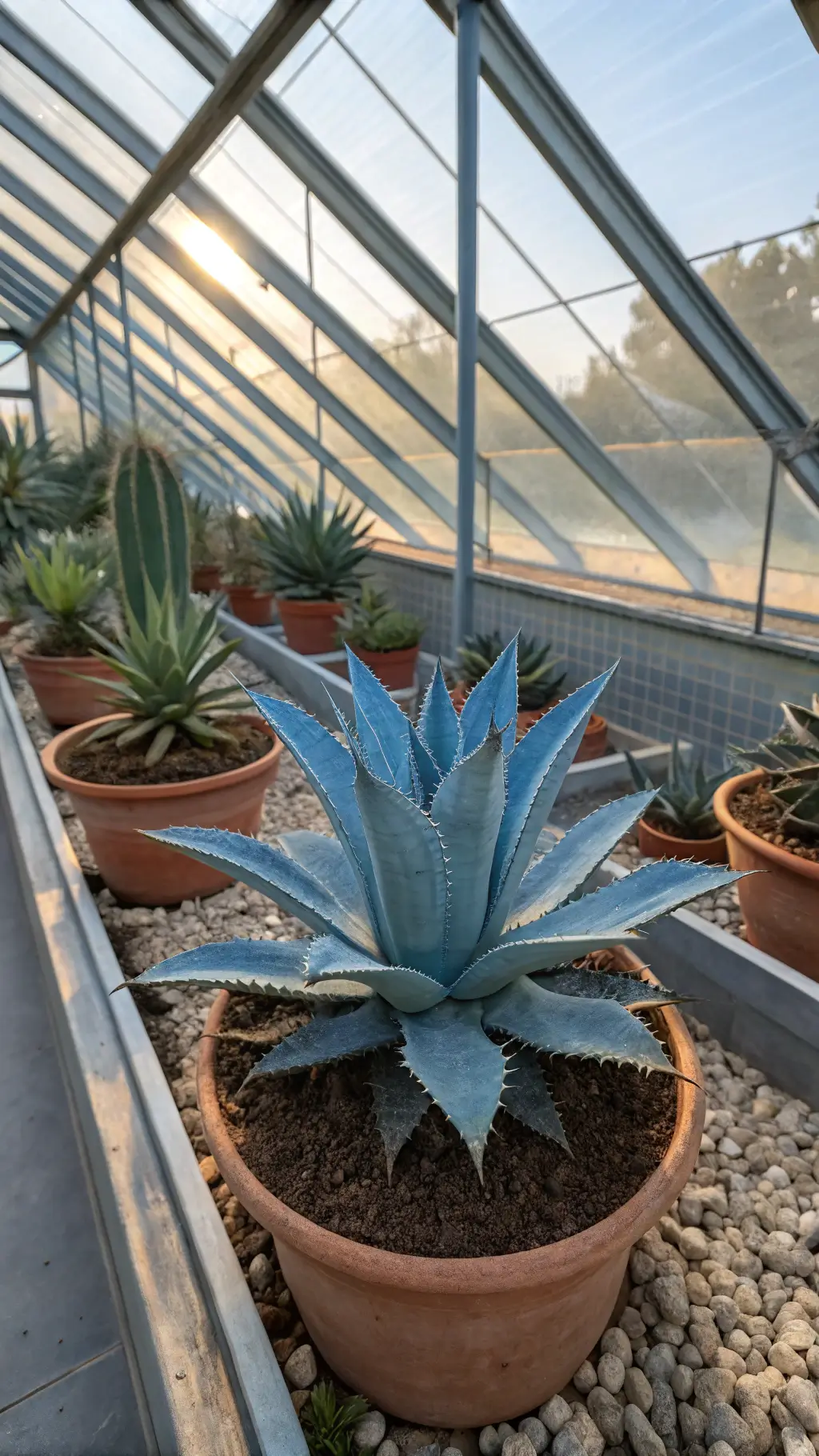
I bought a whale’s tongue agave from a desert nursery after seeing a specimen that was easily four feet across. Mine is still small enough to sit on a patio table, but the pale blue leaves are already developing the thick, waxy coating that makes them look almost silver.
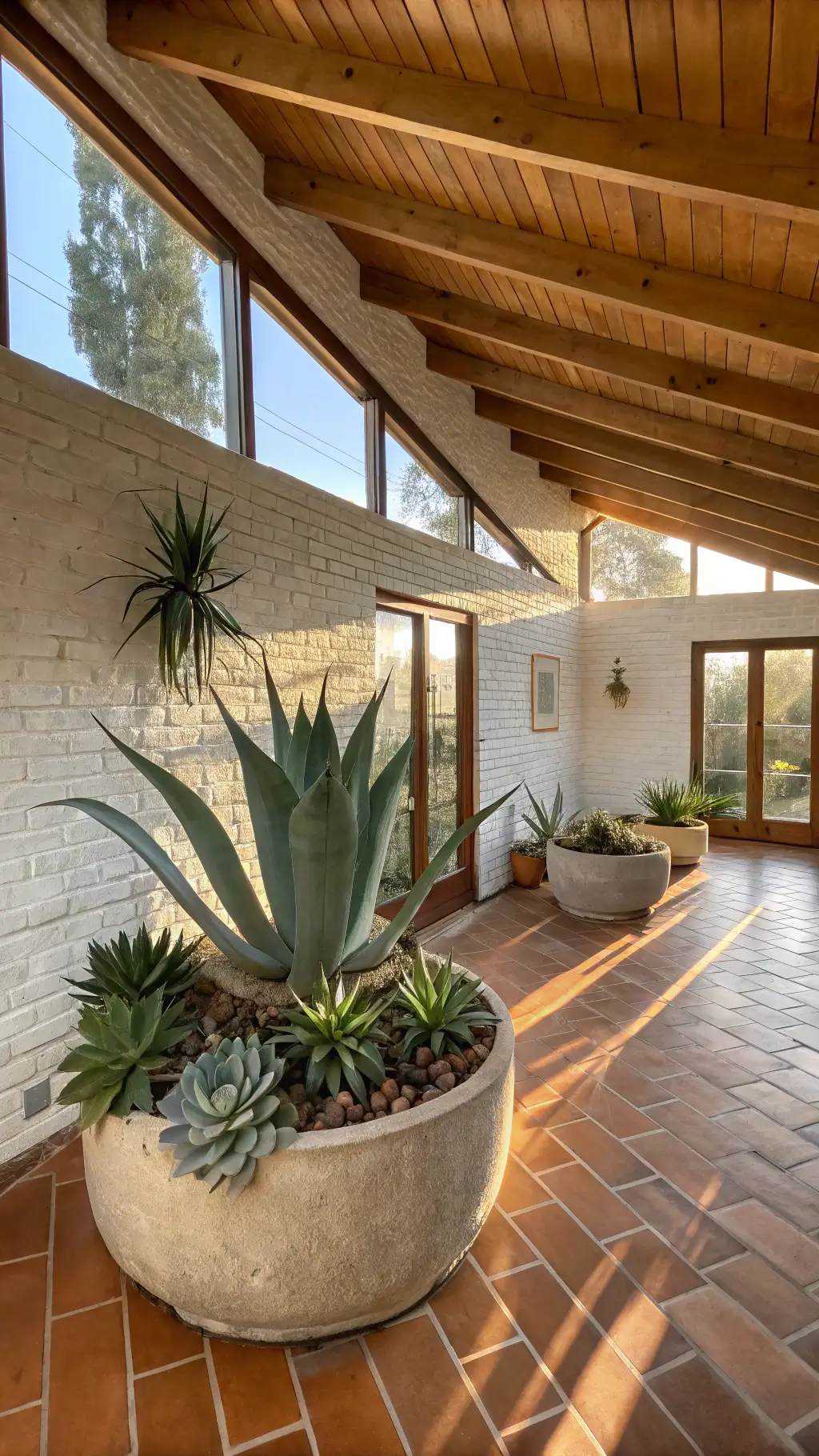
Whale’s tongue agave needs full sun and excellent drainage. It handles drought without complaint but rots quickly in heavy, wet soil. Water deeply and rarely.
What Makes Whale’s Tongue Agave So Special?
Let me break down why this succulent is not just another plant, but a landscape game-changer:
Jaw-Dropping Appearance
Imagine a plant that looks like it was carved by an artist – that’s the Whale’s Tongue Agave in a nutshell.
Key Visual Features:
- Massive rosette formation (3-5 feet tall)
- Mesmerizing blue-gray leaves
- Deeply cupped leaves resembling an actual whale’s tongue
- Smooth edges with grayish-black spines
- Sharp, brownish-red terminal spine that screams “don’t mess with me”
Superhero-Level Adaptability
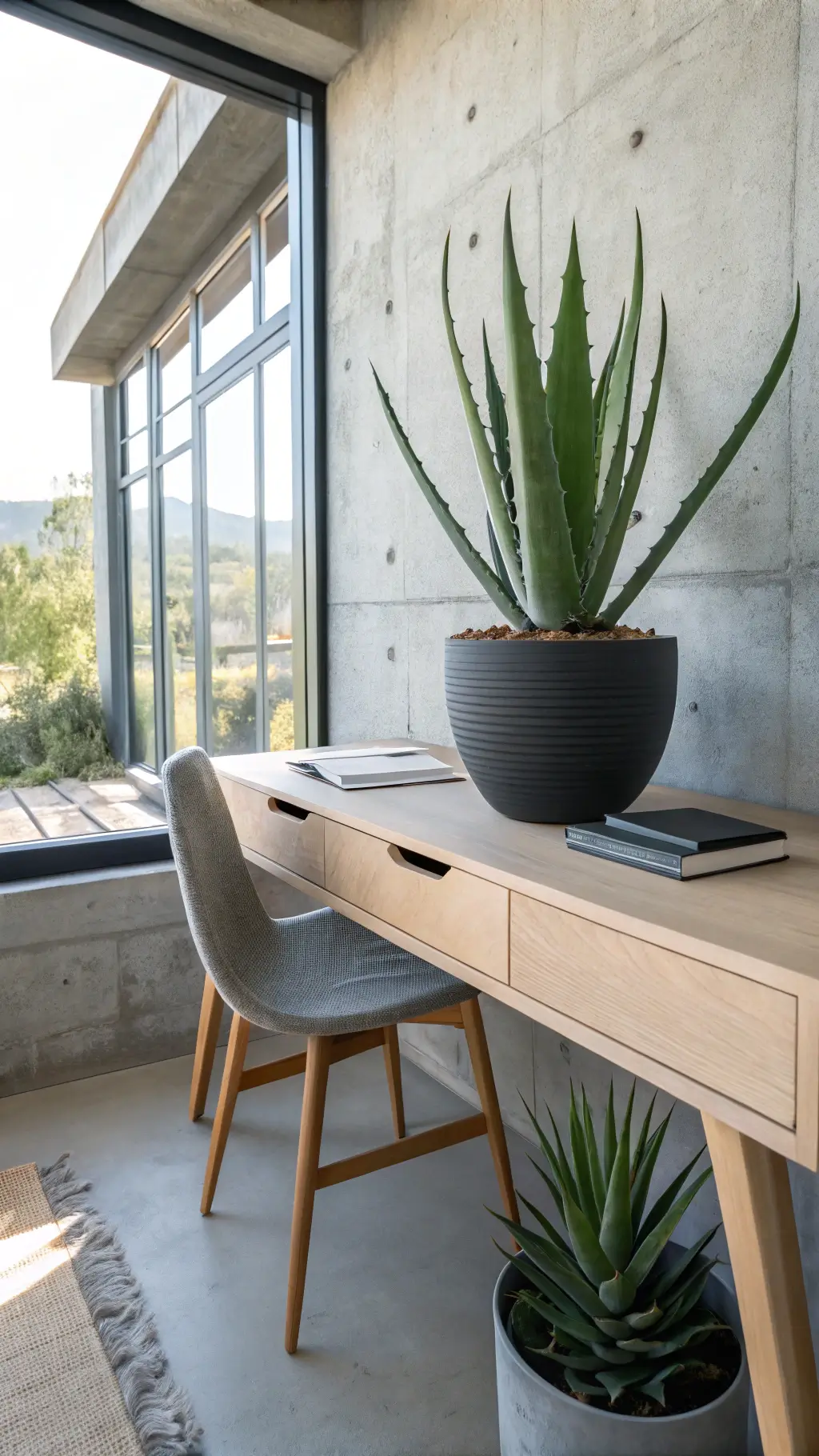
This plant isn’t just pretty – it’s practically indestructible.
Survival Specs:
- Thrives in USDA zones 7-11
- Handles temperatures as low as 0°F
- Drought-tolerant supreme
- Grows in various soil types
- Minimal water requirements
Growing Your Own Whale’s Tongue Agave: Pro Tips
Perfect Placement
- Full sun locations
- Well-draining soil is non-negotiable
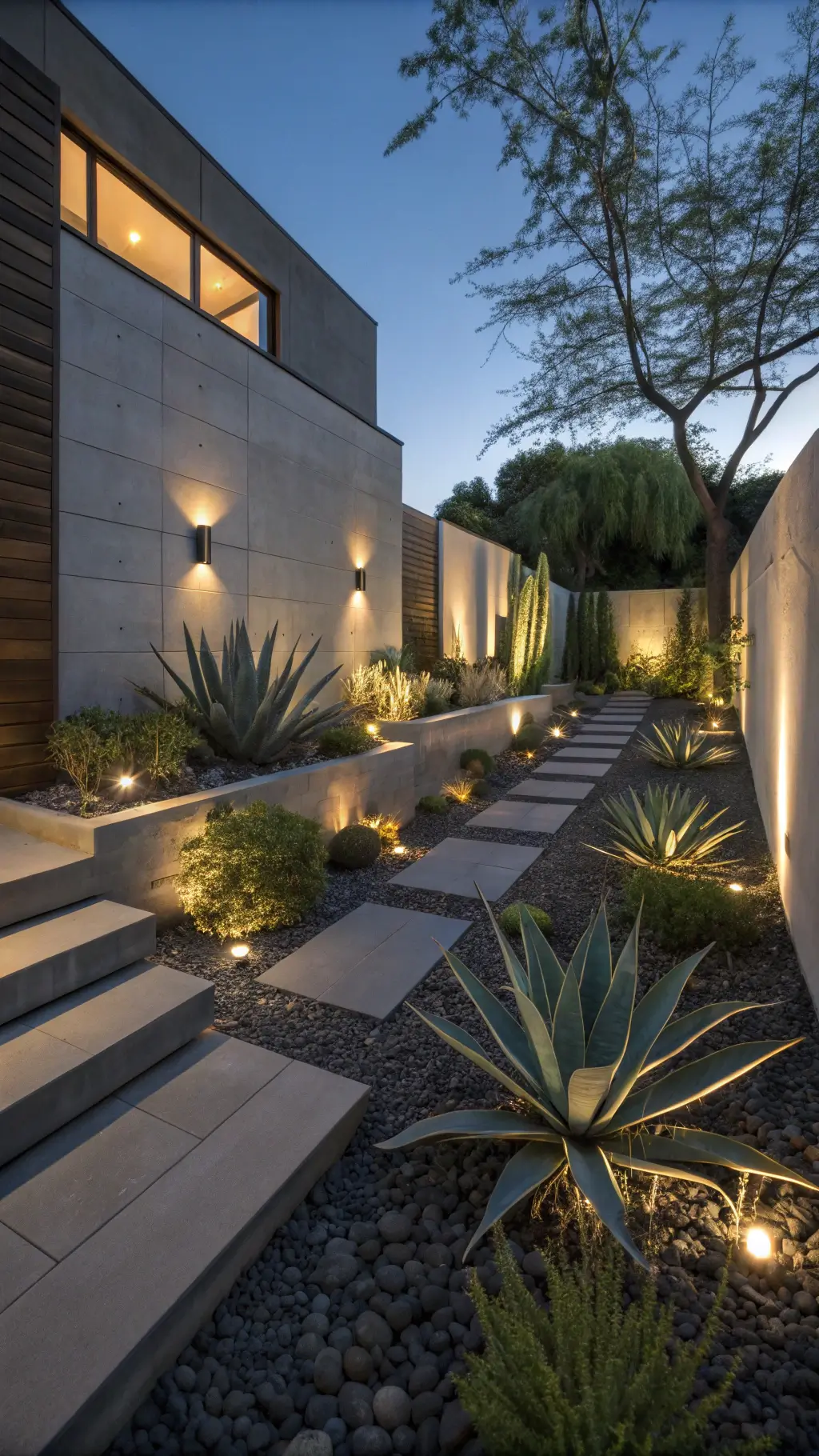
- Ideal for rock gardens and architectural landscapes
- Fantastic for xeriscaping projects
Care Recommendations
- Water sparingly
- Allow soil to dry completely between waterings
- Protect from excessive moisture
- Minimal fertilization needed
Unique Characteristics That Set It Apart
Why This Agave Stands Out:
- Rarely produces offspring (stays beautifully solitary)
- Incredibly slow-growing (10-20 years per rosette)
- Produces a spectacular 14-foot flowering stalk when mature
- No daily babysitting required
Varieties to Consider
Top Recommended Varieties
1. ‘Frosty Blue’
- Medium-sized rosette
- Symmetrical growth pattern
- Stunning blue-tinted leaves
2. ‘Vanzie’
- Faster growth rate
- Unique leaf folding
- Smaller leaf teeth
Who Should Plant Whale’s Tongue Agave?
Perfect for:
- Busy gardeners
- Drought-conscious landscapers
- Southwest garden enthusiasts
- Landscape design lovers
- Anyone wanting a low-maintenance showstopper
Pro Gardener Warning ⚠️
While this plant is tough, it’s not completely invincible. Watch for:
- Overly wet conditions
- Extreme shade
- Poor drainage areas
Final Thoughts
The Whale’s Tongue Agave isn’t just a plant – it’s a statement. It whispers “I’m cool, low-maintenance, and drop-dead gorgeous” without trying too hard.
Whether you’re in Arizona or Oregon, this succulent can transform your landscape from boring to breathtaking with zero drama.
Whale’s tongue agave needs full sun and excellent drainage. It handles drought without complaint but rots quickly in heavy, wet soil. Water deeply and rarely.