
GROWING AND CARING FOR PRICKLY PEAR CACTI: A COMPLETE GUIDE
My prickly pear came from a broken pad I found lying on a sidewalk in Tucson. I let it callus for two weeks, stuck it in dry cactus soil, and within a year it had grown three new pads and produced two bright yellow flowers.
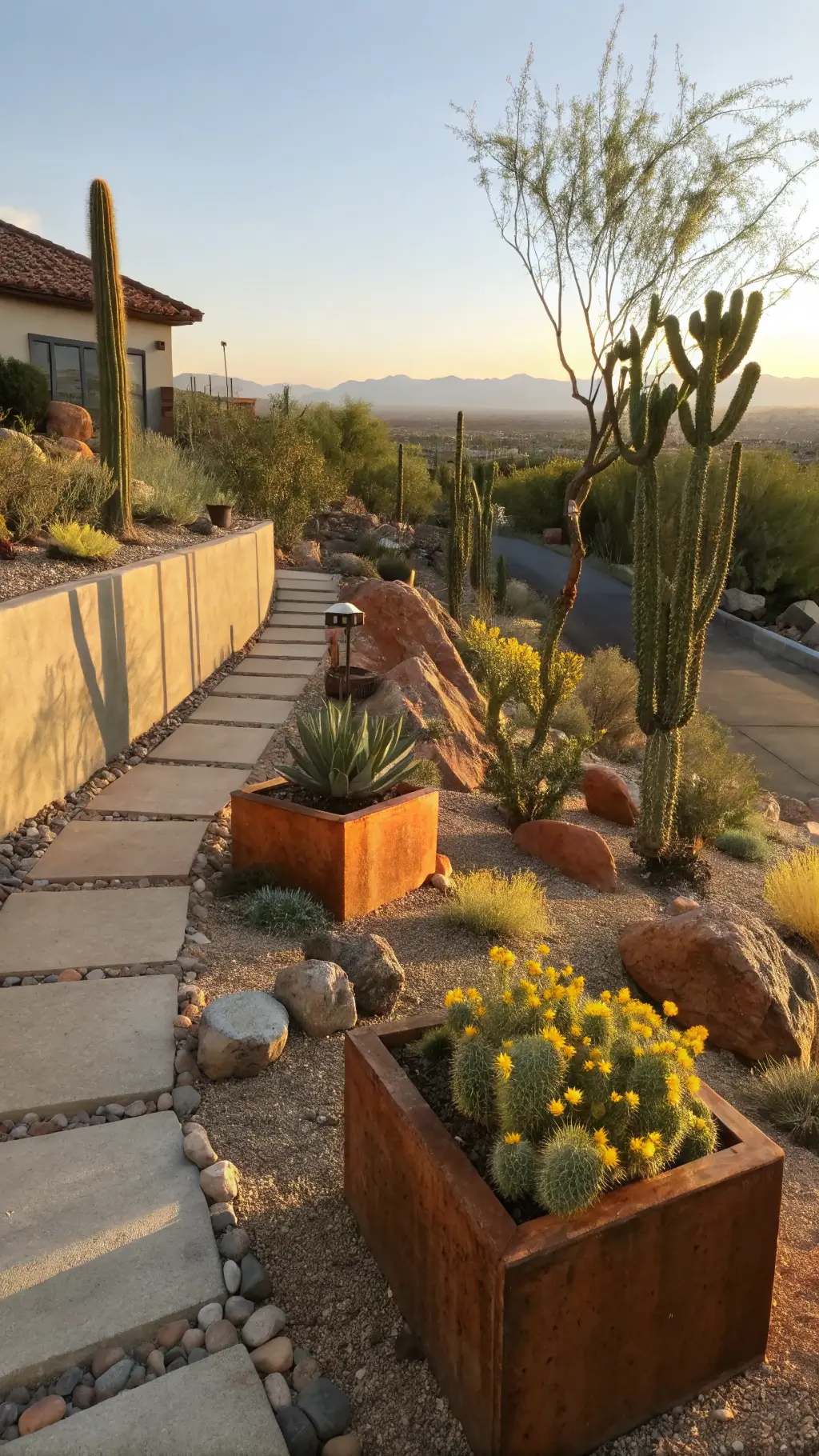
Why You’ll Love Prickly Pears
Let me tell you why I fell in love with these fascinating plants. They’re like the Swiss Army knife of the desert world – beautiful, edible, and practically indestructible!
The Basics: What Makes Prickly Pears Special
These aren’t your ordinary cacti, folks. Here’s what makes them unique:
- Flat, paddle-shaped pads (called cladodes) that look like giant green mittens
- Gorgeous flowers that burst into yellow, red, or purple blooms
- Delicious fruits that taste like a mix between watermelon and bubblegum
- Built-in defense system (those notorious glochids – more on those later!)
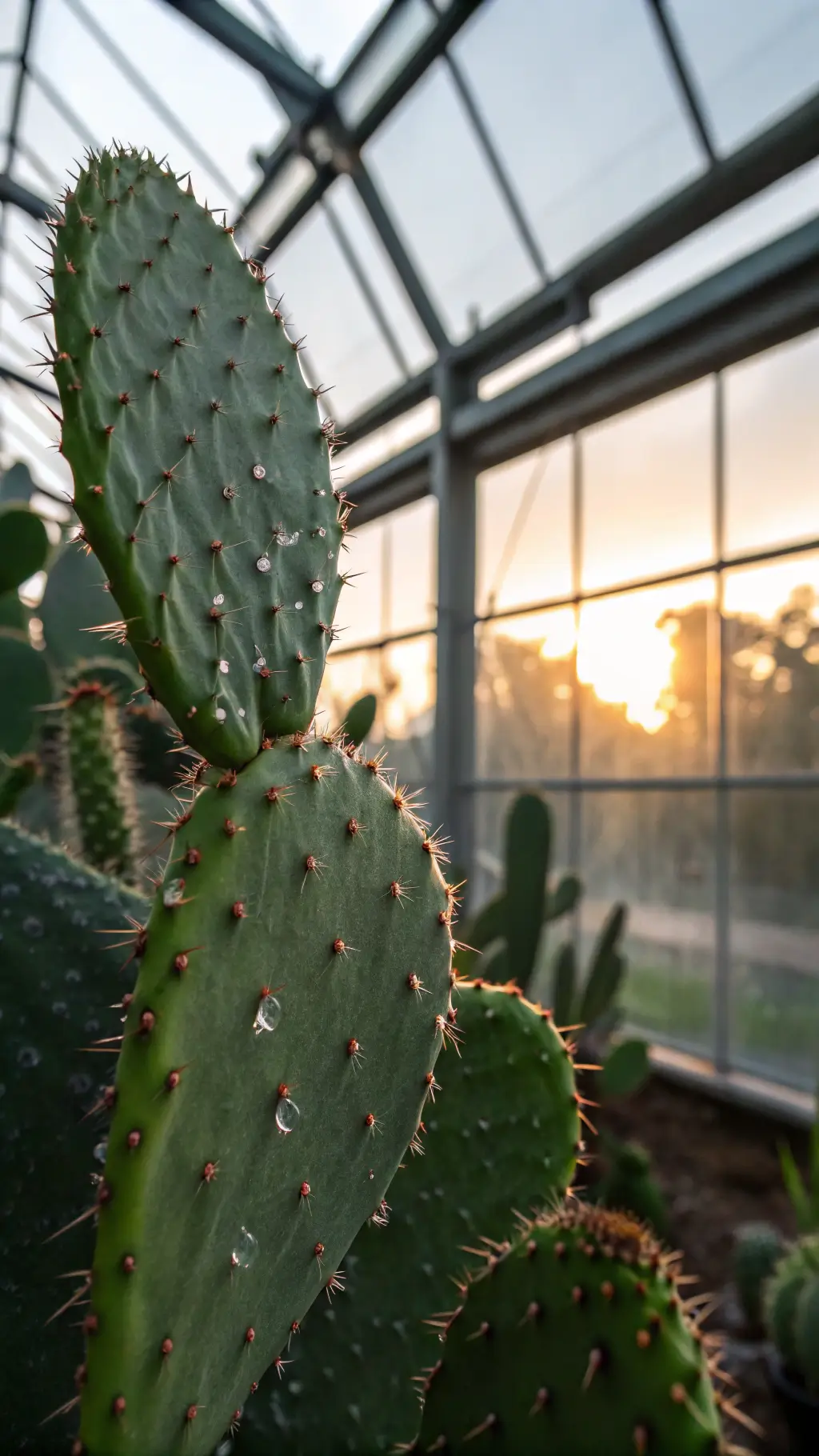
Getting Started: Perfect Growing Conditions
Trust me, I learned this the hard way – location is everything! Your prickly pear needs:
- Full, blazing sun (6+ hours daily)
- Well-draining soil (think sandy or rocky)
- Plenty of space to spread (they can get big!)
IMPORTANT: Zone Check
- Warm climate warriors (zones 9-11): Any variety will do
- Cold climate gardeners (zones 4-8): Look for cold-hardy species like O. humifusa
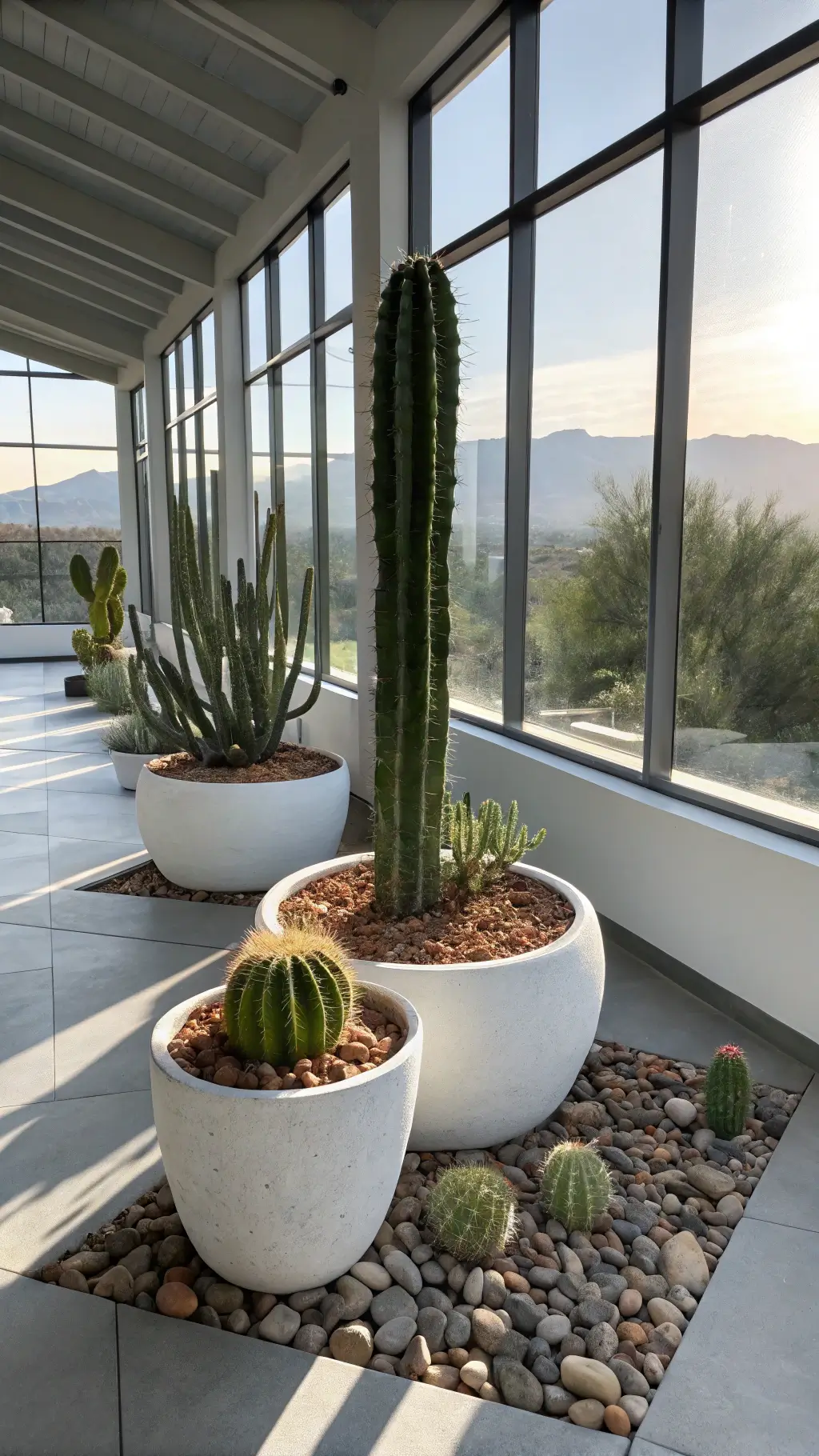
The Tasty Benefits
Here’s what I love using mine for:
- Nopales (pads): Perfect for tacos and salads
- Fruits: Amazing in jellies, syrups, and even margaritas!
- Health bonus: Packed with vitamins, minerals, and antioxidants
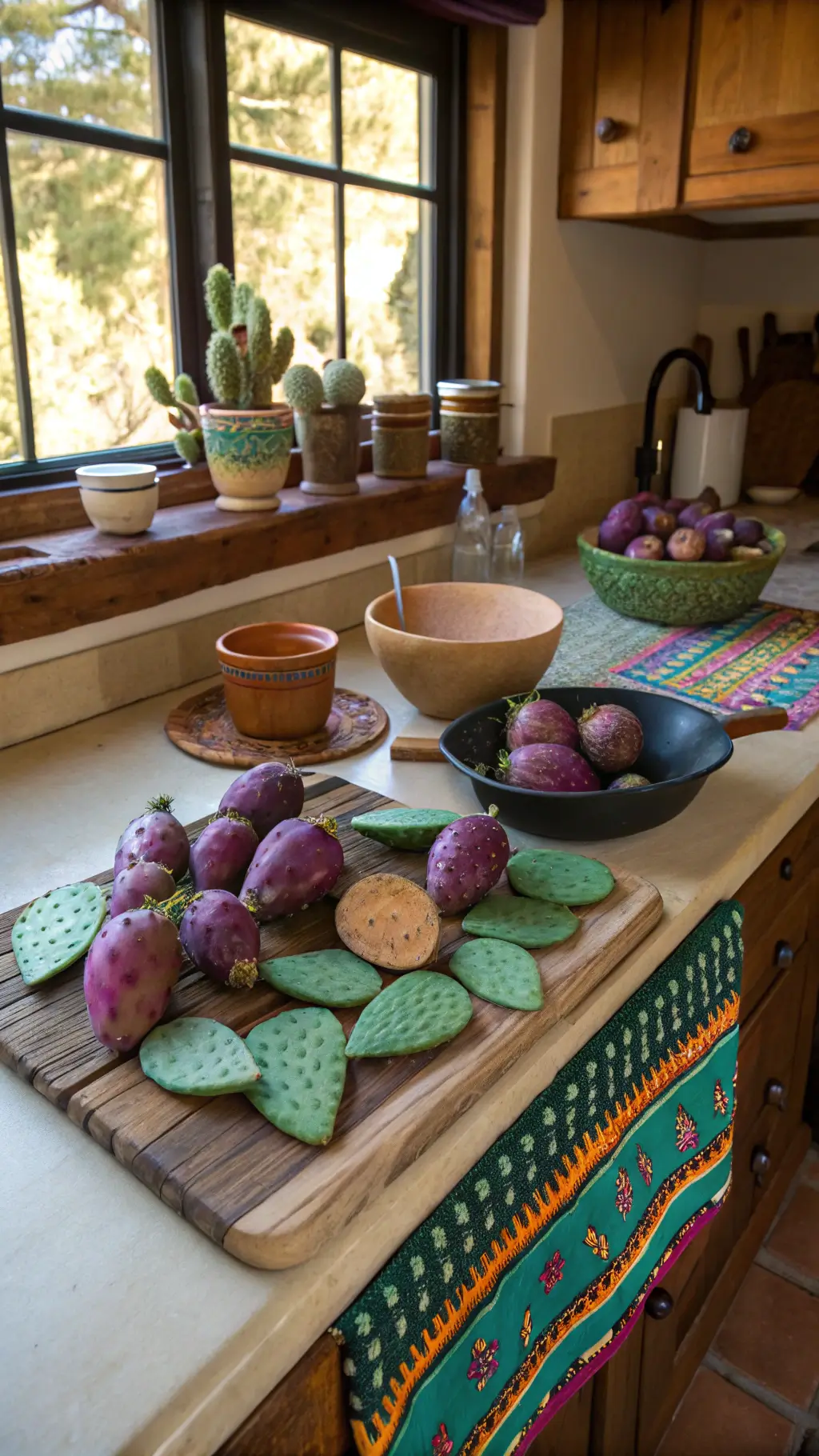
Maintenance Tips (The Easy Part!)
These plants are seriously low-maintenance, but here’s what you need to know:
- Water sparingly (once every 2-3 weeks in summer, less in winter)
- Skip the fertilizer (they’re desert plants, remember?)
- Propagate by simply placing a pad on soil (it’s like magic!)
WARNING: Handle with Care!
Learn from my mistakes:
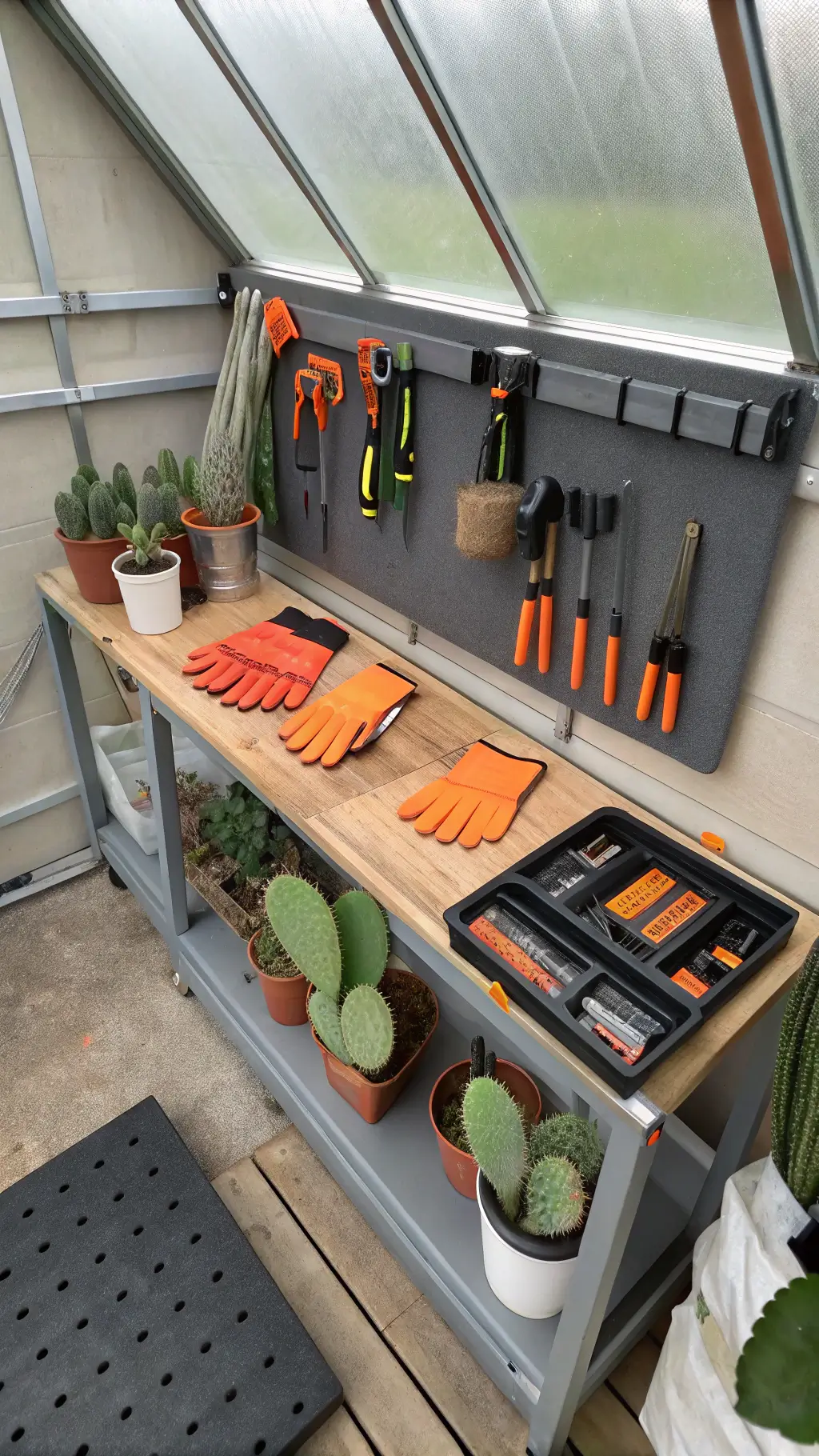
- Always wear thick gloves
- Use tongs for handling
- Keep children and pets away
- Remove glochids immediately if they get on your skin
Troubleshooting Common Issues
Watch out for:
- Yellow pads = too much water
- Shriveled pads = not enough water
- Soft, mushy areas = rot (cut affected areas immediately)
The Joy of Success
Once established, your prickly pear will reward you with decades of beauty, delicious fruits, and fantastic conversation pieces for your garden.
Prickly pear thrives in full sun and soil that drains within seconds. It handles drought better than overwatering, so err on the dry side especially in winter.