
Butterfly Agave: The Stunning Succulent That’ll Transform Your Garden
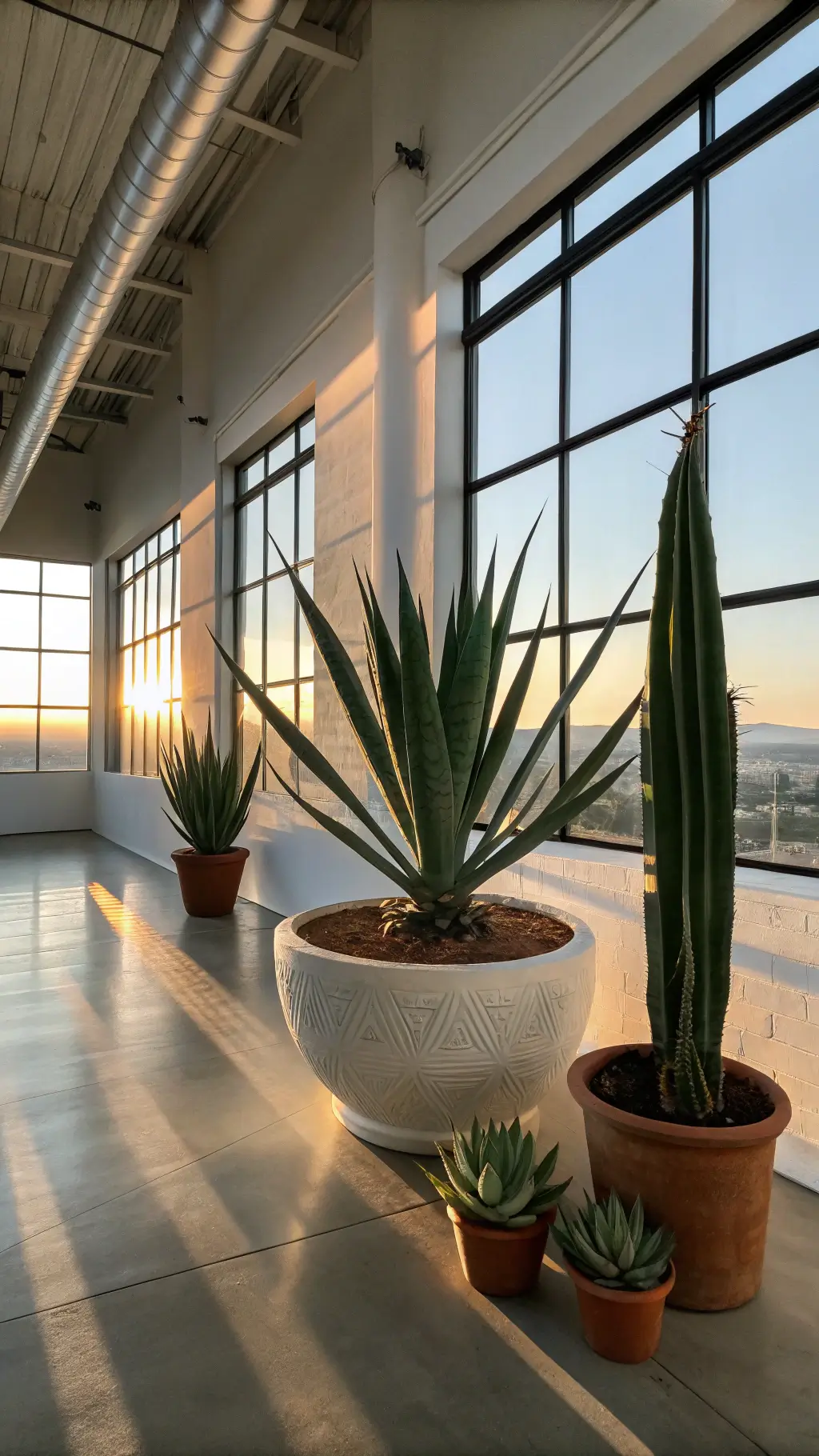
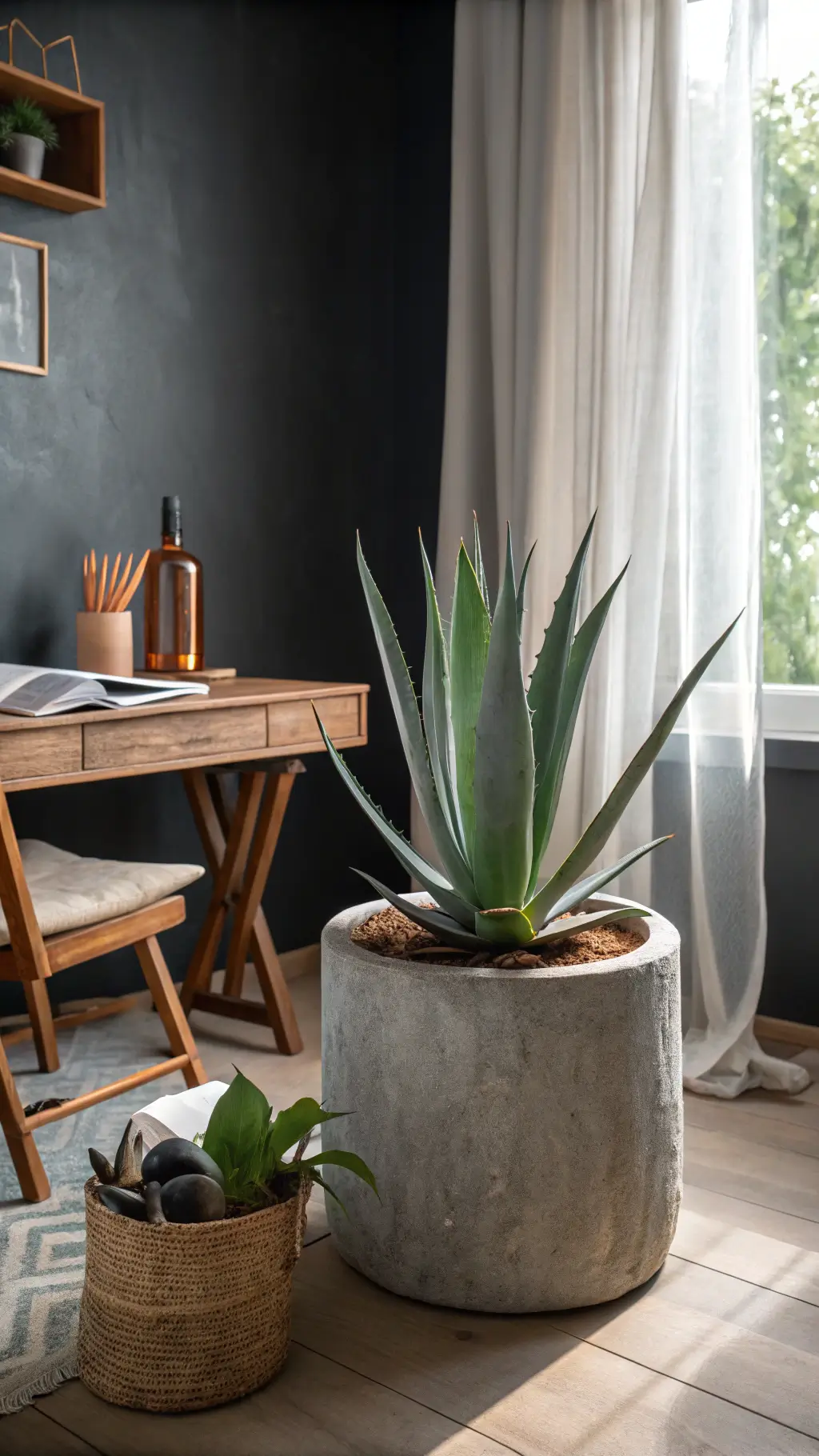
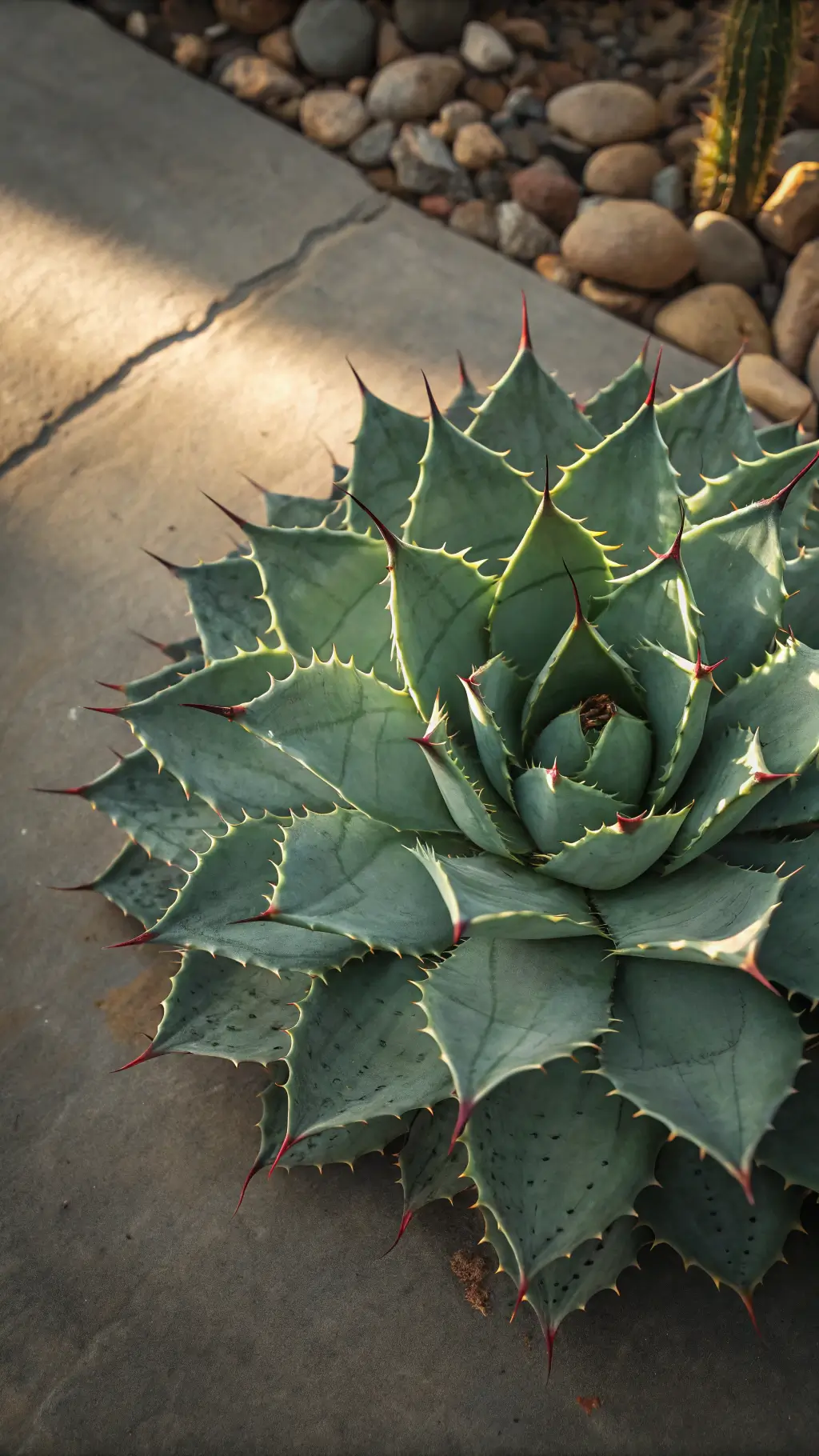
I bought a butterfly agave for its symmetrical rosette of broad, pale green leaves with white markings. The name comes from the leaf shape, and it stays small enough to keep in a pot for years.
What Exactly is a Butterfly Agave?
The butterfly agave (Agave potatorum) is a showstopper succulent from Mexico that looks designed by an artistic botanist. Here’s why plant lovers fall for it.
Appearance That’ll Stop You in Your Tracks
Picture a perfect symmetrical rosette, silvery-blue leaves with dramatic red spines, and a size that fits almost anywhere.
- Height: Around 60 cm (24 inches)
- Width: Approximately 90 cm (36 inches)
- Leaf color: Dreamy light grey-green or silvery blue
- Leaf length: 30-50 cm (10-16 inches)
Growing Your Butterfly Agave: What You Need to Know
Patience is Key 🕰️
This isn’t a fast houseplant. The butterfly agave takes its sweet time, typically 7-15 years to full maturity. The wait is worth it.
Sunlight and Placement
- Loves full sun (minimum 6 hours direct)
- Can tolerate partial shade
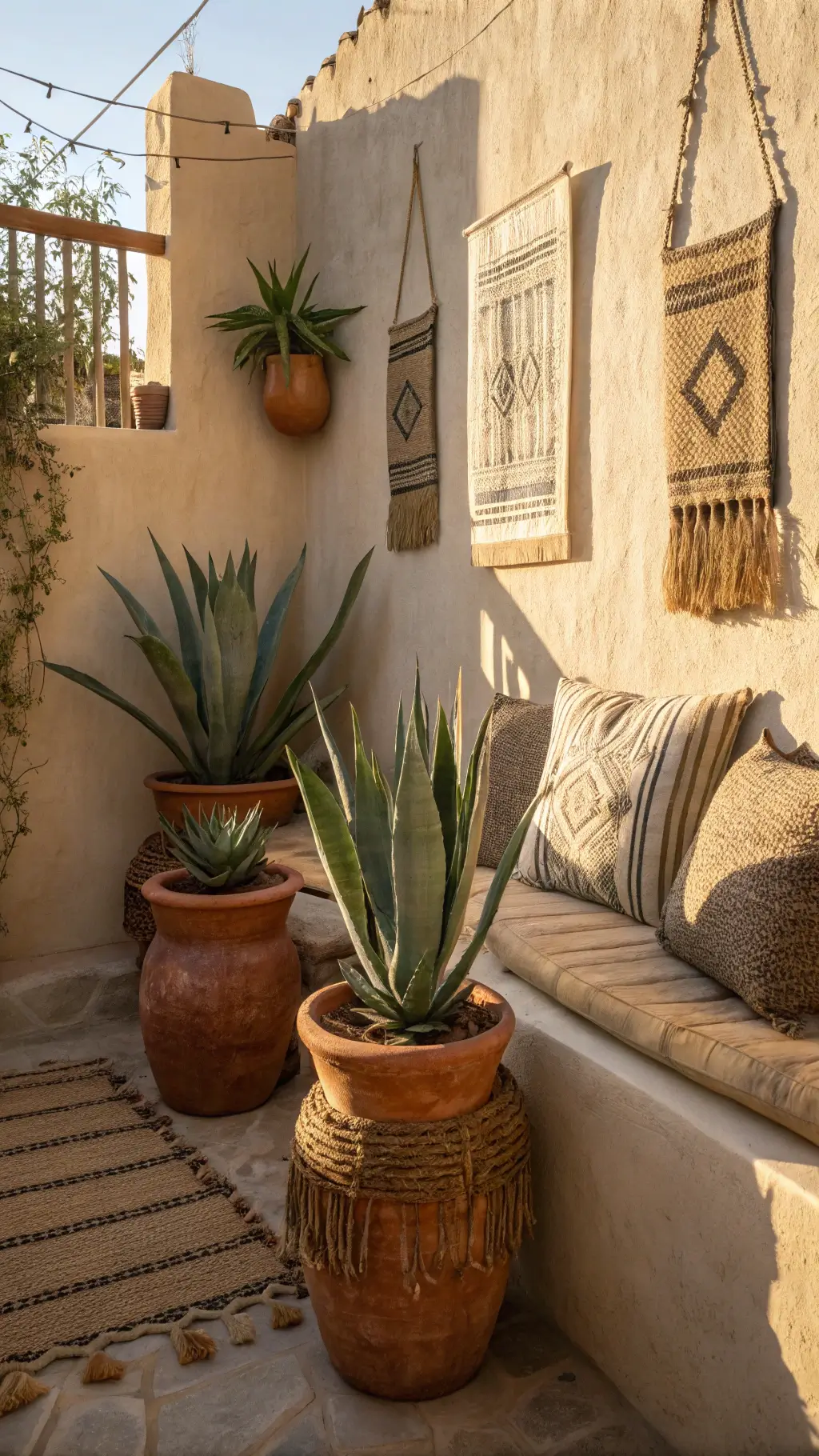
- Perfect for rock gardens and container plantings
- Works brilliantly indoors and outdoors
Watering: Less is More
Forget daily watering rituals. This plant is a drought warrior:
- Water deeply but infrequently
- Allow the soil to dry completely between waterings
- Extra cautious in summer months
Care Requirements Simplified
Soil Preferences
- Well-draining, sandy soil
- Slightly acidic conditions
- Rocky terrain mimics its home
Temperature Tolerance
- Hardy in USDA zones 9-11
- Handles temps as low as 25-30°F (-4 to -1°C)
Potential Challenges to Watch Out For
⚠️ Important Warnings:
- Contains toxic sap (wear gloves!)
- Sharp spines (handle with care)
- Keep away from curious kids and pets
Unique Lifecycle Fact
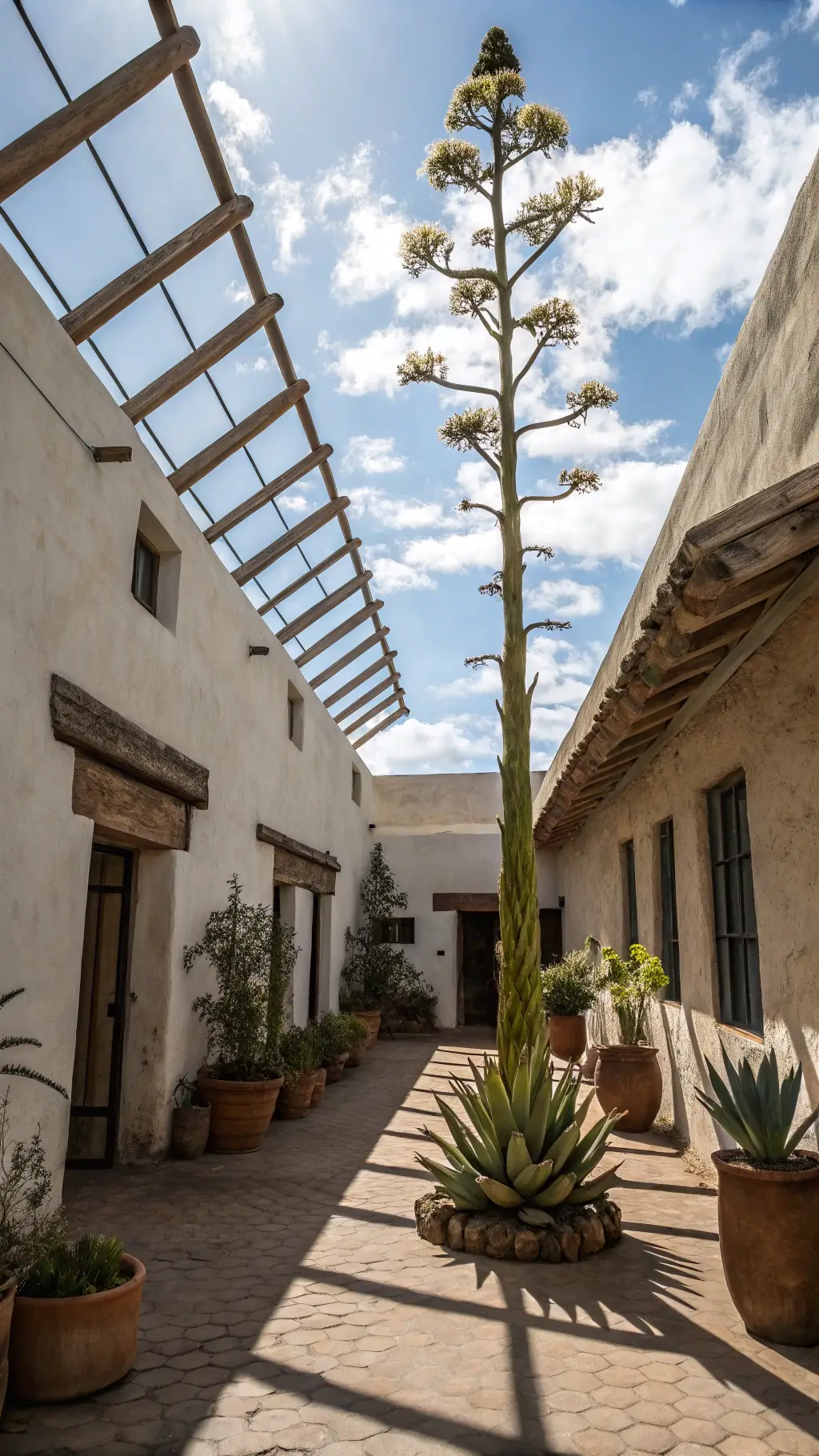
Mind-blowing: the butterfly agave is monocarpic. After flowering (a spectacular 5m stalk), the plant dies, but it usually leaves offspring first.
Propagation: Creating More Beauty
Want more? Good news, the plant produces offsets (baby plants) you can carefully separate and replant. Relatively easy.
Final Thoughts
Whether you’re a seasoned gardener or a total newbie, the butterfly agave offers something special. It’s low maintenance, visually stunning, and practically indestructible.
Pro Tip: think of this plant as the supermodel of the succulent world, beautiful, unique, minimal attention.
Quick Reference Guide
| Aspect | Details |
|---|---|
| Sunlight | Full sun to partial shade |
| Watering | Infrequent, deep watering |
| Soil | Well-draining, sandy |
| Hardiness | USDA Zones 9-11 |
The Bottom Line
Butterfly agave needs full sun and excellent drainage. Water every two to three weeks in summer and almost nothing in winter. It’s a slow-blooming stunner, give it a shot and be patient. 🙂