
Ficus Longifolia Care: The Ultimate Guide to Nurturing Your Long Leaf Fig
I bought a Ficus longifolia because the narrow leaves looked like elongated swords next to my other ficus. It grew into a tall, upright tree with barely any branching — a cleaner silhouette than a weeping fig.
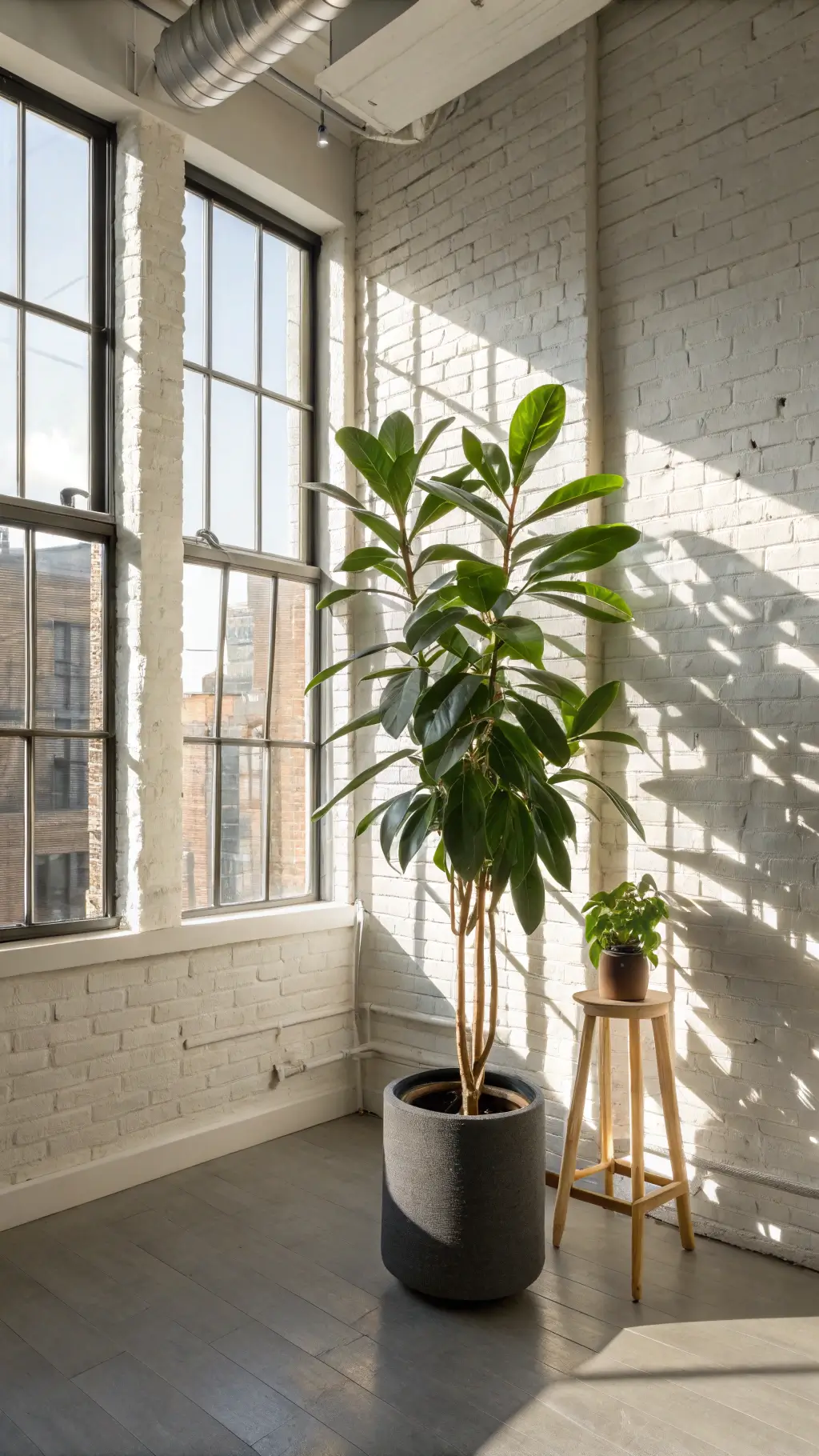
Understanding Your Ficus Longifolia
The Ficus longifolia is a statement piece, but like any diva it has needs. Get them right and it transforms a room.
Light: The Secret to Happiness
Think of it as a sunbather who loves shade. Bright, indirect light is the sweet spot — morning and late-afternoon sun is fine, midday harsh rays are a hard pass, and a filtered window is plant paradise.
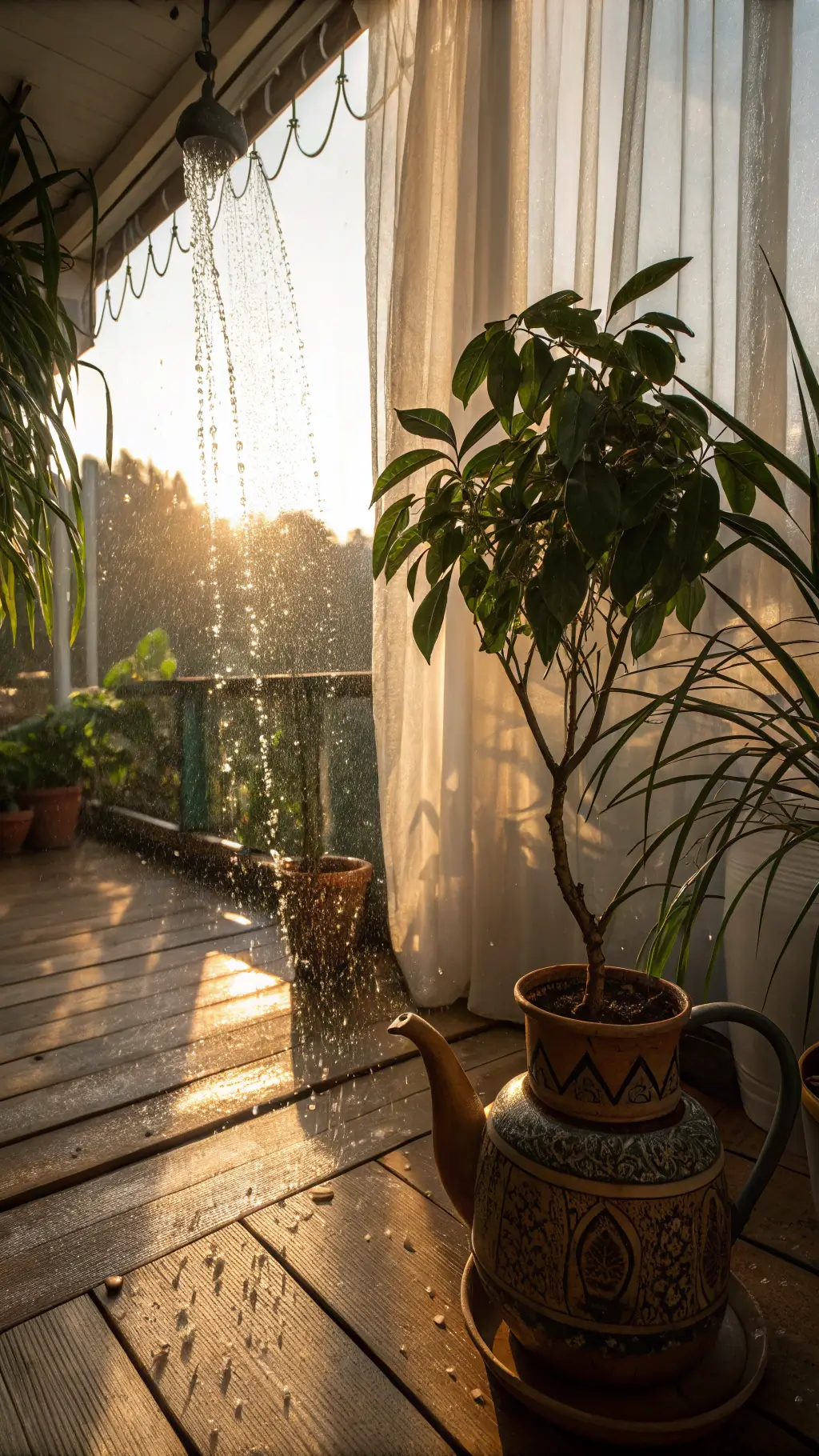
Watering: Finding the Balance
Overwatering is the number-one killer, so don’t be that person. Let the top 50–75% of soil dry out, water until it drains (then dump the excess), use room-temperature water, and ease off in winter. A little leaf misting keeps humidity up.
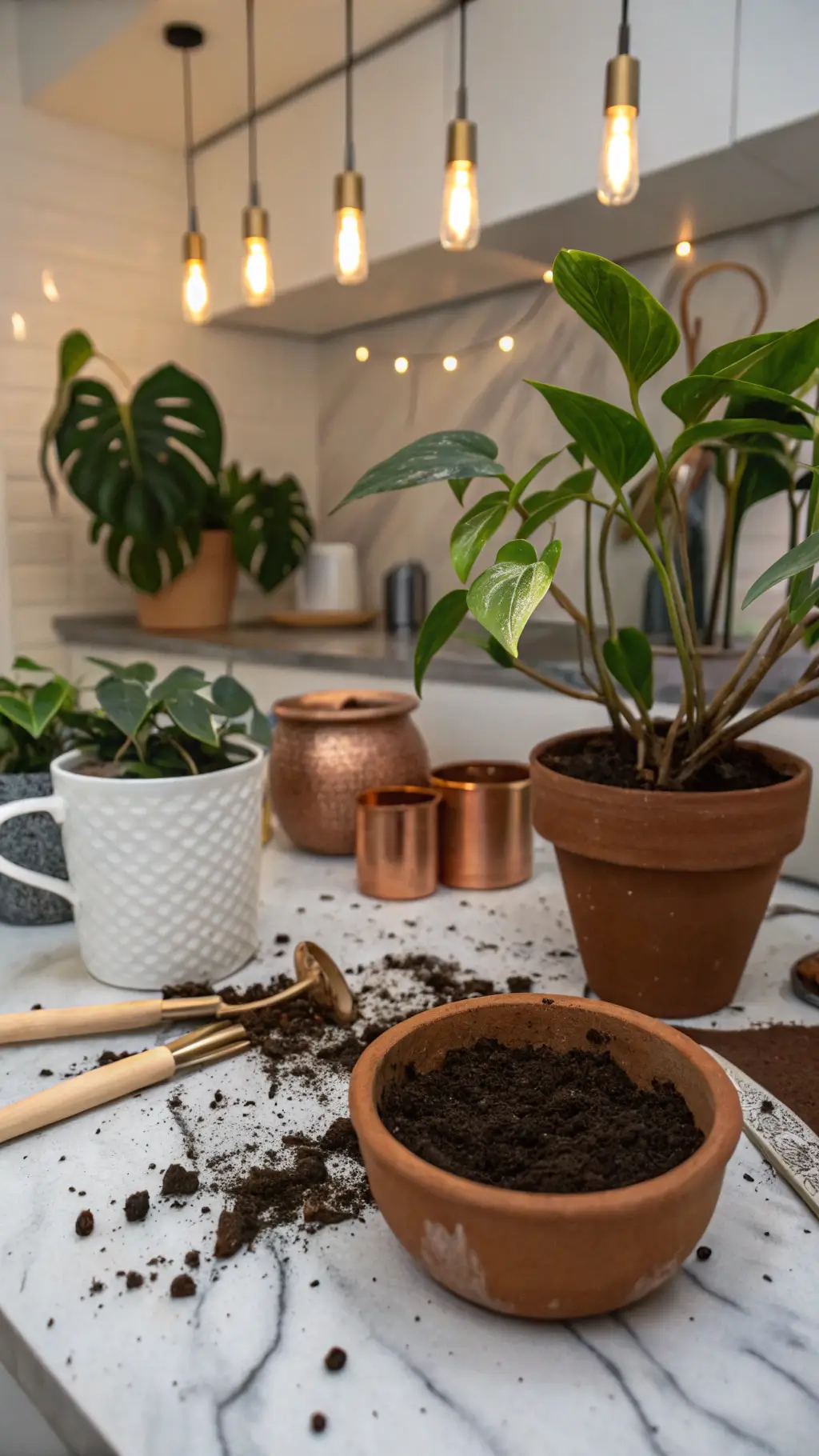
Soil and Feeding
Your Ficus is basically a green athlete that needs premium fuel: a high-quality, well-draining mix with added perlite, plus monthly half-strength liquid fertilizer in the growing season.
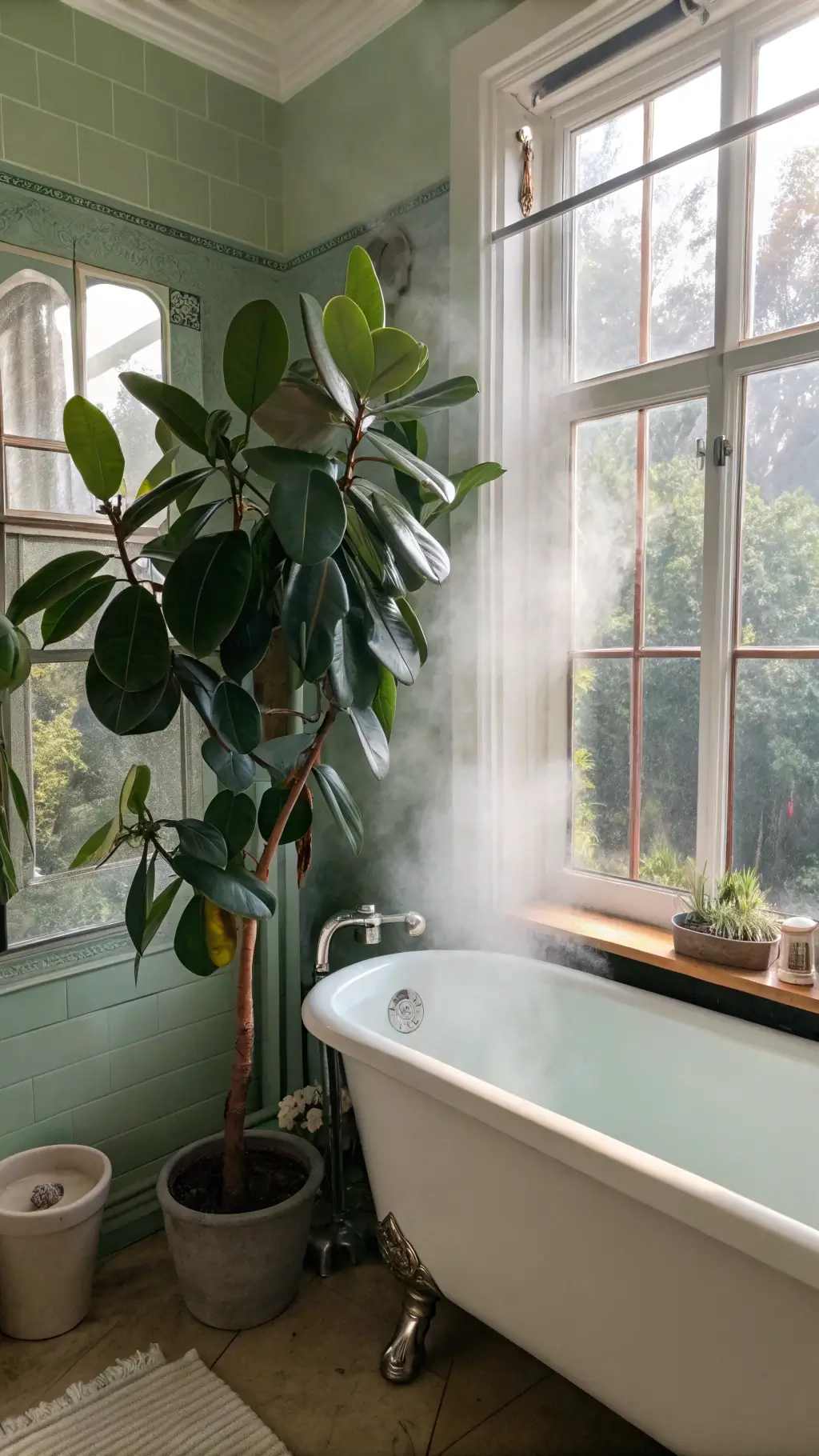
Temperature and Humidity
Tropical-vacation vibes: 60–85°F, no cold drafts ever, and it loves humidity (though average air won’t trigger a tantrum). A nearby humidifier is the pro move.
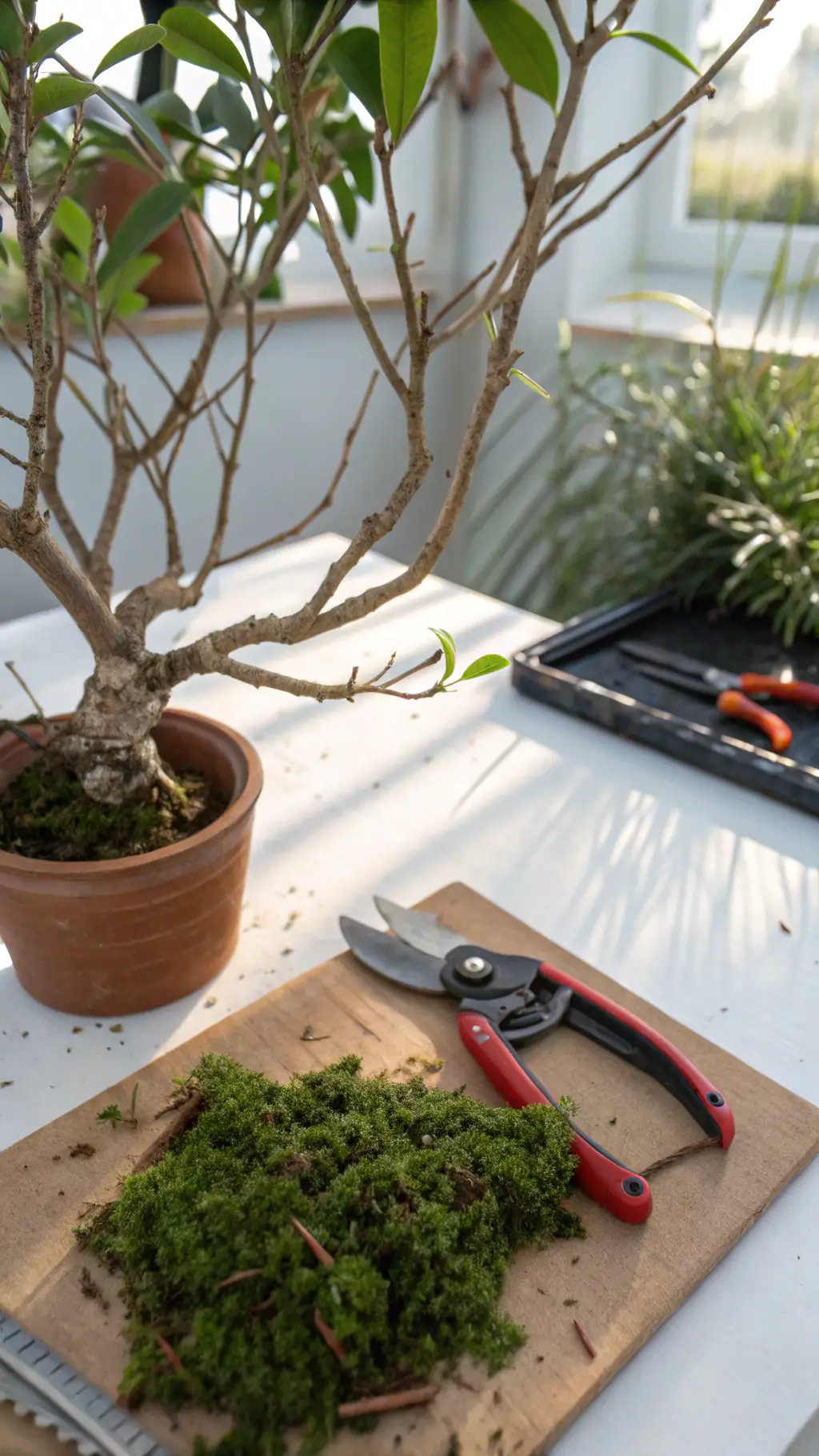
Pruning
Cut back to 2 leaves after 6–8 grow, remove dead or damaged leaves immediately, dust regularly with a damp cloth, and yes — it handles heavy pruning like a champ.
Repotting
Every 1–2 years in spring, stepping up 2–3 inches and using fresh mix. Non-negotiable for a happy tree.
Common Challenges and Quick Fixes
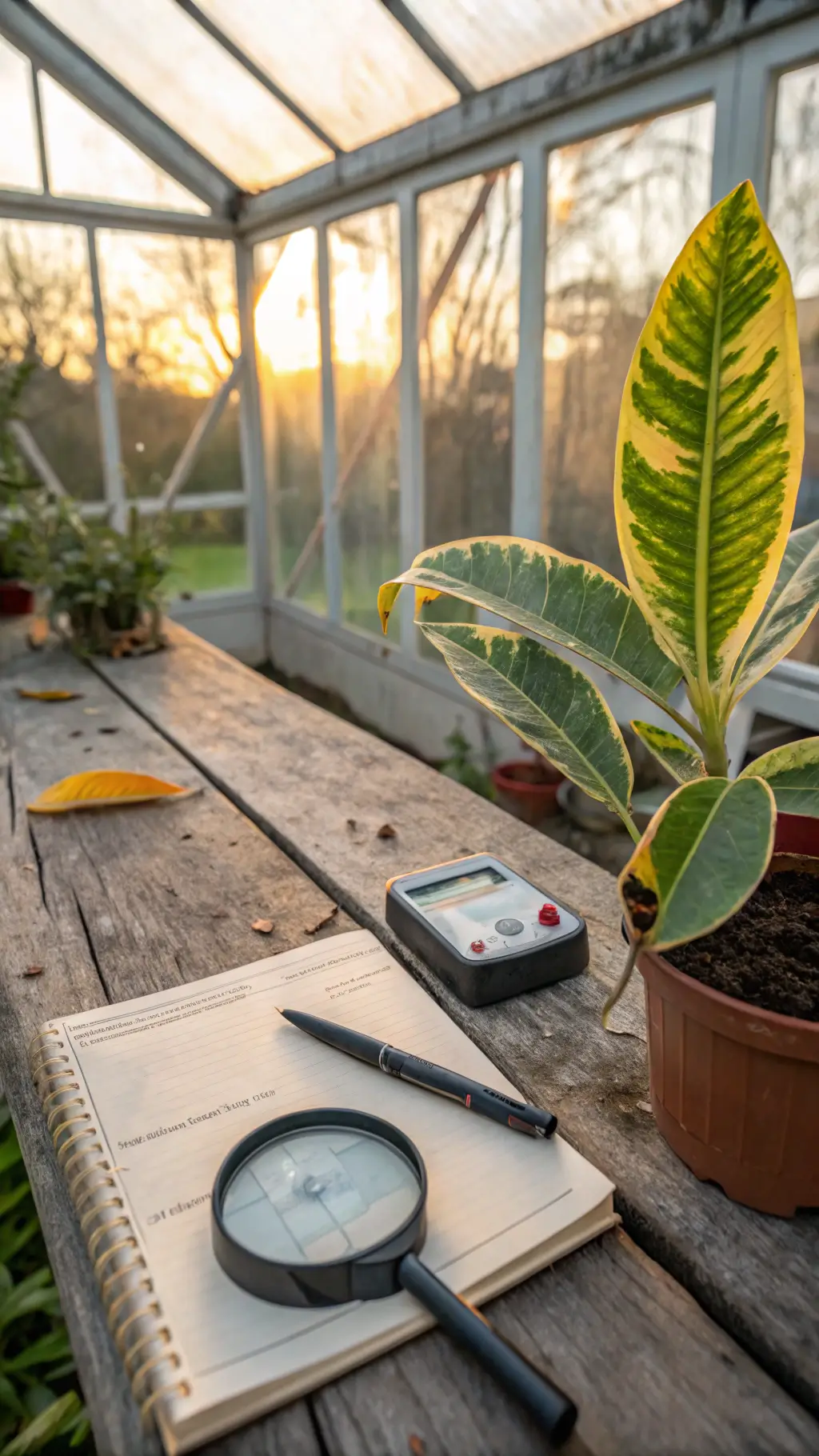
Leaf Drop? Don’t Panic
Sudden environmental change, drafts, or inconsistent watering are the usual culprits. Steady conditions fix most of it.
Leggy Growth?
Not enough light, too much fertilizer, or a need for pruning. Address those and it fills back in.
Conclusion
Caring for a Ficus longifolia isn’t rocket science — it’s observation, consistency, and a little plant love. It needs bright, indirect light and consistent moisture, and once it acclimates, don’t move it (leaf drop loves a relocation). You’ve got this indoor gardener — give it a shot! 🌲