
Ficus Lyrata Bambino: The Ultimate Care Guide for Your Dwarf Fiddle Leaf Fig
I ordered a Ficus Lyrata Bambino online because the photos showed a tidy plant that would not outgrow my apartment. When it arrived, the leaves were only slightly larger than my thumb, and it has stayed that scale ever since.
What Makes the Bambino Special?
So what’s the big deal about this little guy?
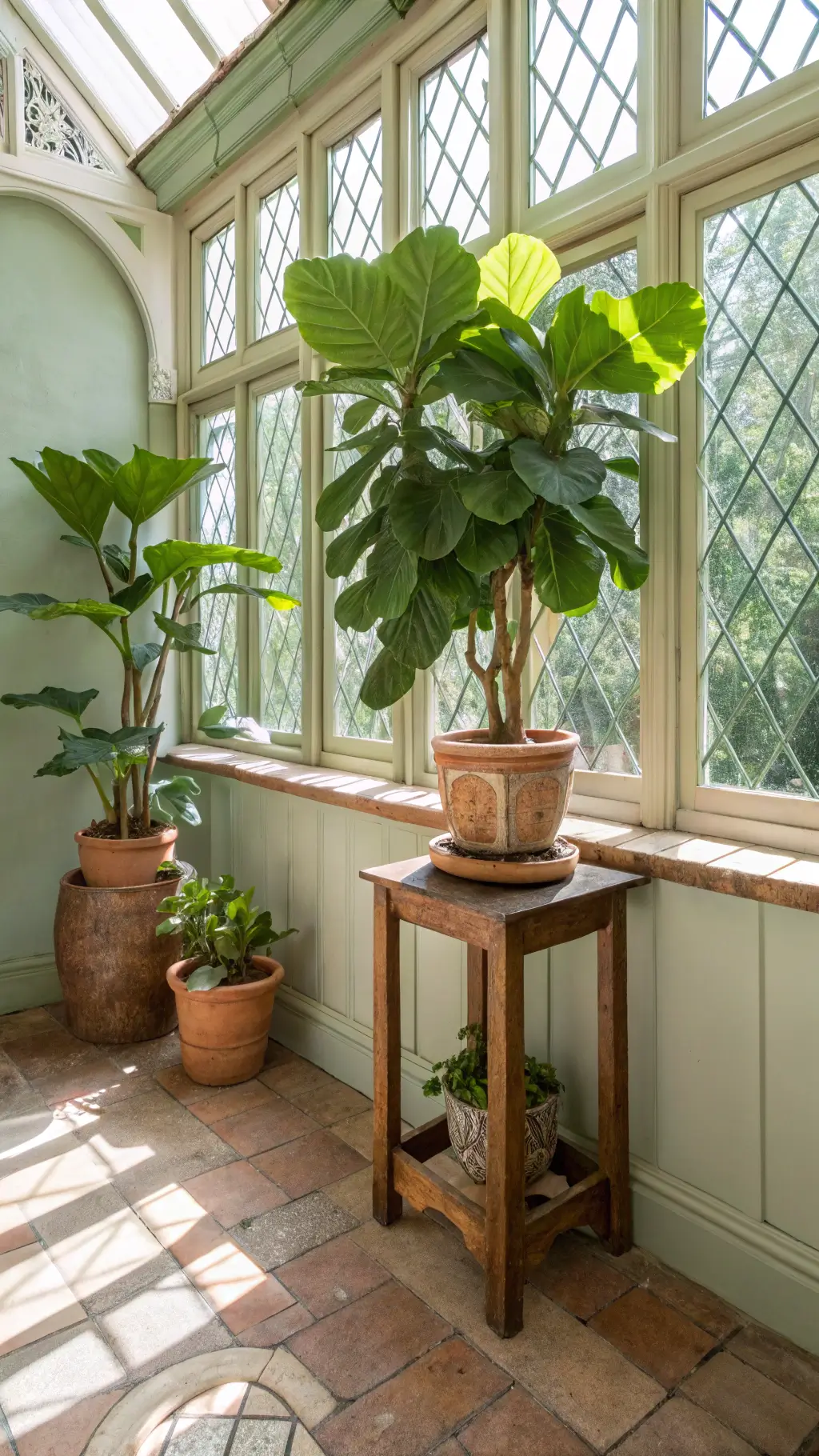
This pint-sized powerhouse is basically the compact cousin of the famous fiddle leaf fig. Smaller doesn’t mean less stunning – this little plant packs a serious design punch in tiny spaces. Lighting: The Secret to Happy Bambino Growth Listen up, plant parents – light is EVERYTHING for your Bambino: Bright, Indirect Light is Your Best Friend Position near a window with filtered sunlight Avoid direct sun rays that can brutally scorch delicate leaves Aim for 6 hours of gentle, bright light daily Pro Tip : No perfect window? Grow lights are your backup plan!

Want the deeper dive? Our plant dreams of tropical vacation conditions covers it.
Lighting: The Secret to Happy Bambino Growth
Light is where the magic (or the meltdown) happens.
Listen up, plant parents – light is EVERYTHING for your Bambino:
Bright, Indirect Light is Your Best Friend
Pro Tip : No perfect window? Grow lights are your backup plan! Watering: The Delicate Dance of Moisture Watering is where most plant parents go wrong.
- Position near a window with filtered sunlight
- Avoid direct sun rays that can brutally scorch delicate leaves
- Aim for 6 hours of gentle, bright light daily
Want the deeper dive? Our Philodendron Hederaceum covers it.
Watering: The Delicate Dance of Moisture
Here’s the part where most people quietly sabotage their plant.
Watering is where most plant parents go wrong. Here’s the insider strategy:
The Finger Test Method
- Check soil moisture with your finger
- Water when top 2-3 inches feel dry
- Typically every 7-10 days
- Warning : Overwatering is the #1 Bambino killer!
Bonus Hydration Hack
Soil & Potting: Creating the Perfect Home Your Bambino needs a luxurious, well-draining living space: Ideal Soil Mix Peat-based potting mix Add perlite for extra drainage Choose pots with drainage holes Repot annually in spring Select containers 2 inches larger than previous pot Humidity & Temperature: Tropical Vibes Only This plant dreams of tropical vacation conditions : Climate Control Humidity sweet spot: 30-65% Temperature range: 60-85°F Use humidifier or mist leaves in dry environments Avoid : Sudden temperature changes and cold drafts Fertilizing: Nutrition for Lush Growth Feed me, Seymour! But make it smart: Feeding Schedule Monthly during growing season Nitrogen-rich fertilizer (NPK 16-5-11) Skip fertilizing in winter Maintenance: Keep It Looking Fabulous Quick Care Checklist Dust leaves regularly Rotate for even growth Prune to control size Support main stem if top-heavy Troubleshooting Common Issues Watch out for these red flags: Brown spots = Overwatering or poor light Leaf drop = Stress from water or temperature changes Pests to watch : Spider mites, mealybugs, scale Final Thoughts The Ficus lyrata Bambino isn’t just a plant – it’s a compact, stylish living decoration that’ll transform your space with minimal effort. Let the top layer of soil dry out before watering, and keep the Bambino away from air vents.
- Use filtered water
- Keep soil consistently moist, not soaking wet
- Reduce watering in winter months

Want the deeper dive? Our Philodendron Deja Vu covers it.
Soil & Potting: Creating the Perfect Home
Roots need a home that drains, not a swamp.
Your Bambino needs a luxurious, well-draining living space:
Ideal Soil Mix
Humidity & Temperature: Tropical Vibes Only This plant dreams of tropical vacation conditions : Climate Control Humidity sweet spot: 30-65% Temperature range: 60-85°F Use humidifier or mist leaves in dry environments Avoid : Sudden temperature changes and cold drafts Fertilizing: Nutrition for Lush Growth Feed me, Seymour! But make it smart: Feeding Schedule Monthly during growing season Nitrogen-rich fertilizer (NPK 16-5-11) Skip fertilizing in winter Maintenance: Keep It Looking Fabulous Quick Care Checklist Dust leaves regularly Rotate for even growth Prune to control size Support main stem if top-heavy Troubleshooting Common Issues Watch out for these red flags: Brown spots = Overwatering or poor light Leaf drop = Stress from water or temperature changes Pests to watch : Spider mites, mealybugs, scale Final Thoughts The Ficus lyrata Bambino isn’t just a plant – it’s a compact, stylish living decoration that’ll transform your space with minimal effort. Let the top layer of soil dry out before watering, and keep the Bambino away from air vents.
- Peat-based potting mix
- Add perlite for extra drainage
- Choose pots with drainage holes
- Repot annually in spring
- Select containers 2 inches larger than previous pot

Want the deeper dive? Our How To Make Spider Plant Bushier covers it.
Humidity & Temperature: Tropical Vibes Only
These plants basically live on a permanent tropical vacation in their heads.
This plant dreams of tropical vacation conditions :
Climate Control
Fertilizing: Nutrition for Lush Growth Feed me, Seymour! But make it smart: Feeding Schedule Monthly during growing season Nitrogen-rich fertilizer (NPK 16-5-11) Skip fertilizing in winter Maintenance: Keep It Looking Fabulous Quick Care Checklist Dust leaves regularly Rotate for even growth Prune to control size Support main stem if top-heavy Troubleshooting Common Issues Watch out for these red flags: Brown spots = Overwatering or poor light Leaf drop = Stress from water or temperature changes Pests to watch : Spider mites, mealybugs, scale Final Thoughts The Ficus lyrata Bambino isn’t just a plant – it’s a compact, stylish living decoration that’ll transform your space with minimal effort. Let the top layer of soil dry out before watering, and keep the Bambino away from air vents.
- Humidity sweet spot: 30-65%
- Temperature range: 60-85°F
- Use humidifier or mist leaves in dry environments
- Avoid : Sudden temperature changes and cold drafts

Want the deeper dive? Our Ficus covers it.
Fertilizing: Nutrition for Lush Growth
Food matters, but timing beats volume every time.
Feed me, Seymour! But make it smart:
Feeding Schedule
Maintenance: Keep It Looking Fabulous Quick Care Checklist Dust leaves regularly Rotate for even growth Prune to control size Support main stem if top-heavy Troubleshooting Common Issues Watch out for these red flags: Brown spots = Overwatering or poor light Leaf drop = Stress from water or temperature changes Pests to watch : Spider mites, mealybugs, scale Final Thoughts The Ficus lyrata Bambino isn’t just a plant – it’s a compact, stylish living decoration that’ll transform your space with minimal effort. Let the top layer of soil dry out before watering, and keep the Bambino away from air vents. It grows slowly, so repotting is only needed every two or three years.
- Monthly during growing season
- Nitrogen-rich fertilizer (NPK 16-5-11)
- Skip fertilizing in winter
Maintenance: Keep It Looking Fabulous
A little upkeep keeps it looking like a million bucks.
Quick Care Checklist
Troubleshooting Common Issues Watch out for these red flags: Brown spots = Overwatering or poor light Leaf drop = Stress from water or temperature changes Pests to watch : Spider mites, mealybugs, scale Final Thoughts The Ficus lyrata Bambino isn’t just a plant – it’s a compact, stylish living decoration that’ll transform your space with minimal effort. Let the top layer of soil dry out before watering, and keep the Bambino away from air vents. It grows slowly, so repotting is only needed every two or three years.
- Dust leaves regularly
- Rotate for even growth
- Prune to control size
- Support main stem if top-heavy
Troubleshooting Common Issues
Stuff goes wrong – here’s how to read the tea leaves.
Watch out for these red flags:
- Brown spots = Overwatering or poor light
- Leaf drop = Stress from water or temperature changes
- Pests to watch : Spider mites, mealybugs, scale
Conclusion
The Ficus lyrata Bambino isn’t just a plant – it’s a compact, stylish living decoration that’ll transform your space with minimal effort. Let the top layer of soil dry out before watering, and keep the Bambino away from air vents. It grows slowly, so repotting is only needed every two or three years.
Give it a shot!