
Introduction to Your Philodendron Deja Vu
I bought a Philodendron Deja Vu for its quilted, puckered leaves that catch light differently than smooth philodendron foliage. It’s a self-heading type that stays compact, so it’s far easier to manage than the climbers that take over a room.
This Philodendron has become one of my favorite indoor companions, and the care is refreshingly straightforward once you know the rhythm.
Understanding Light Requirements and Placement
Bright, indirect light keeps the foliage vibrant. Too little and the stems stretch; too much direct sun and the leaves scorch. A sheer curtain is your friend.
| Lighting Type | Distance from Window | Benefits |
|---|---|---|
| Bright, Indirect Sunlight | Less than 6 feet | Promotes vibrant foliage and healthy growth |
| Filtered Sunlight | 5-6 feet | Prevents leaf scorch while maintaining energy for photosynthesis |
| Low Light | More than 6 feet | Can lead to slow growth and less vibrant leaves |
Watering Strategies for a Thriving Philodendron
I water mine with about half a cup every nine days, but your home will differ. A water calculator helps, and always check the top inch of soil before reaching for the can.
Optimal Soil, Drainage, and Fertilizer Practices
Use a well-draining, organic-rich mix. I blend coco coir with perlite, and for clues on the right base, our soil notes are a good companion read. Feed with a balanced, half-strength liquid fertilizer through the growing season.
Step-by-Step Repotting Tips
Repot in spring into a pot just one or two sizes up. For a broader playbook, our tips and repotting guide covers the moves. Trim circling roots and water in well.
Temperature, Humidity, and Indoor Environment
Aim for 65-80°F and 50-80% humidity. A humidifier or pebble tray keeps the leaves happy, and stable temps prevent stress.
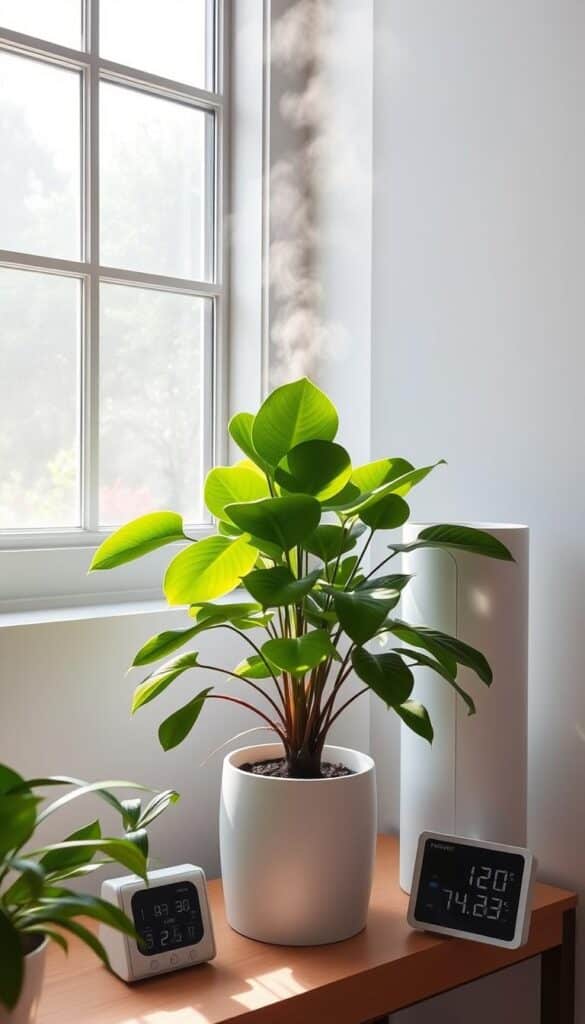
| Temperature Range | Humidity Level | Benefits |
|---|---|---|
| 65°F – 80°F | 50% – 80% | Promotes healthy growth and vibrant foliage |
| Above 80°F | Below 50% | May cause stress, slowing growth |
| Below 65°F | Above 80% | Can lead to root rot and poor health |
Propagation Techniques and Growth Cycle
Stem cuttings with two nodes root in a few weeks; division works when you repot. The lifecycle moves from seedling to mature over one to two years.
| Lifecycle Stage | Growth Phase | Characteristics |
|---|---|---|
| Seedling | 0-3 months | First leaves appear, delicate growth |
| Juvenile | 3-6 months | Leaves expand, stems strengthen |
| Sub-Adult | 6-12 months | Preparing for maturity, noticeable size increase |
| Mature | 1-2+ years | Full size, vibrant foliage, steady growth |
Identifying and Troubleshooting Common Problems
Yellow leaves usually mean overwatering; leggy stems mean more light. Spray neem oil on both leaf faces for spider mites or mealybugs, and repot out of rot with trimmed roots.
Companion Planting and Enhancing Indoor Ambiance
Pair it with Pothos or a peace lily for shared light and humidity needs. The combo cleans the air and looks great together.
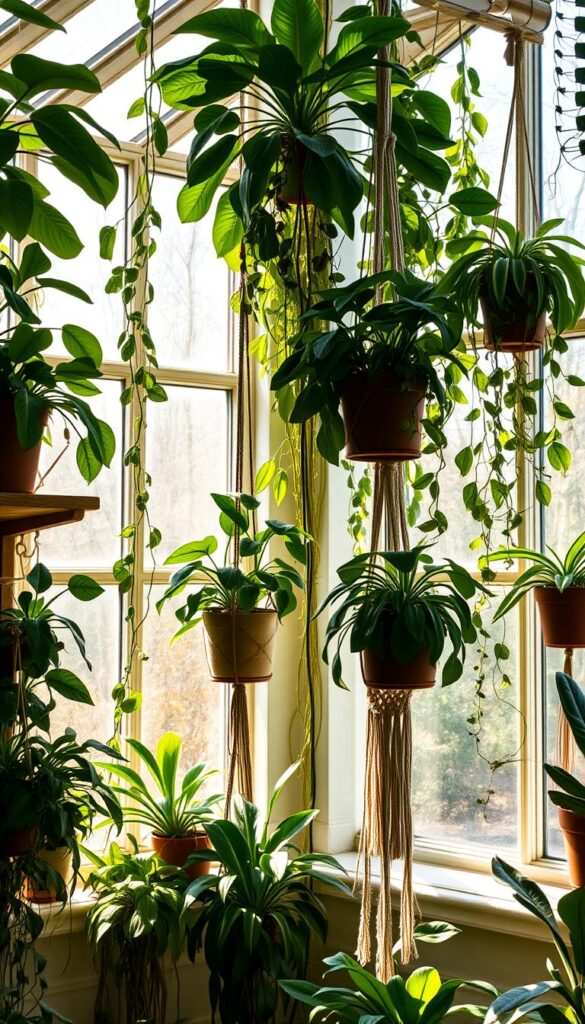
| Companion Plant | Benefits | Growth Habit |
|---|---|---|
| Pothos | Air purification, low maintenance | Trailing, adaptable |
| Peace Lily | Air purification, elegant blooms | Upright, graceful |
| Snake Plant | Low light tolerance, air purification | Upright, robust |
Final Thoughts on Nurturing Your Indoor Philodendron
Watch the leaves and roots, adjust light and soil, and the plant tells you what it needs. For a wider view, our guide on a related specimen is worth a look.
Conclusion
Philodendron Deja Vu wants bright, indirect light and moderate humidity, with water once the top inch dries. Wipe those textured leaves now and then to keep dust off. It’s a forgiving plant that rewards attention. Give it a shot, you’ll be surprised how easy it is. 🌿