
Ficus Villosa: The Shaggy Leaf Fig That’ll Transform Your Indoor Garden
I bought a Ficus villosa because the fuzzy leaves felt unlike any other ficus in my collection. The texture is soft and velvety, and the plant stays compact, making it a good choice for a small terrarium or shaded shelf.
What Makes Ficus Villosa So Special?
Imagine a plant with leaves so delicate and hairy they shimmer like silk in the light. That’s the Ficus villosa for you – a botanical gem that’s equal parts beauty and complexity.
Key Characteristics
- Nickname: Shaggy Leaf Fig or Villous Fig
- Growth Habit: Slow-growing vine
- Mature Length: Up to 8 feet
- Leaf Feature: Fine hair-covered leaves that change color

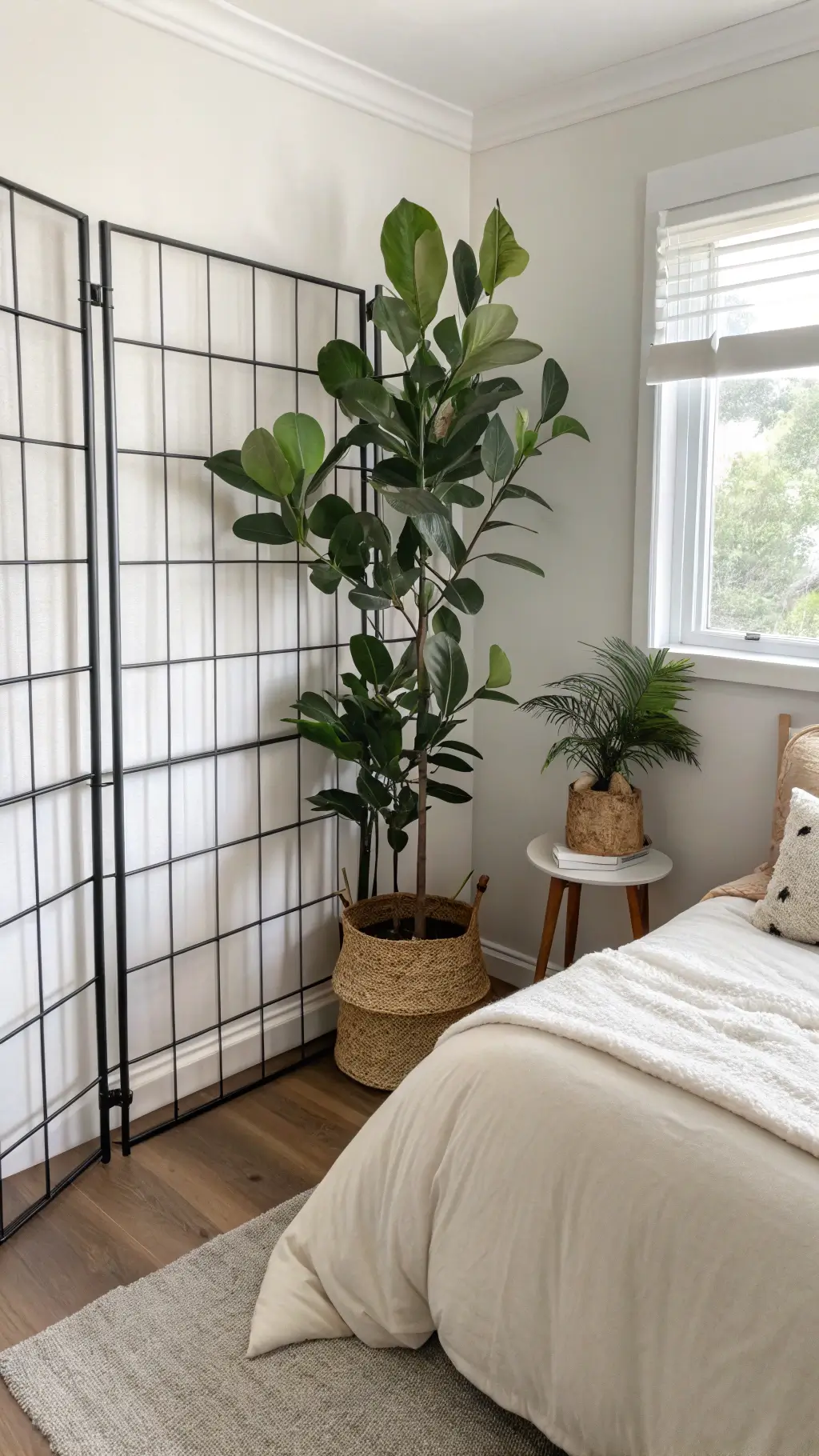
Lighting: The Secret to Thriving Ficus Villosa
Pro Tip: This plant loves bright, indirect light like a cat loves warm sunspots.
- Bright, indirect sunlight is your best friend
- Partial sunlight works wonderfully
- Avoid harsh, direct sun that can scorch those delicate leaves
Temperature and Humidity: Creating a Tropical Haven
Your Ficus villosa wants to feel like it’s on a tropical vacation:
Ideal Conditions
- Temperature: 20-30°C (68-86°F)
- Minimum indoor temperature: 16°C (60°F)
- Humidity: Medium to high
Warning: This tropical beauty is NOT frost-friendly!
Watering: The Delicate Dance of Moisture
Watering this plant is like performing a careful ballet:
Golden Rules
- Keep soil consistently moist
- Never waterlog the roots
- Absolutely avoid getting water on the leaves
Pro Hydration Hack
Use a bottom-watering technique to keep those delicate leaves dry and happy.
Soil and Potting: Creating the Perfect Home
Your Ficus villosa needs:
- Well-draining potting mix
- Some moisture retention
- Good drainage to prevent root rot
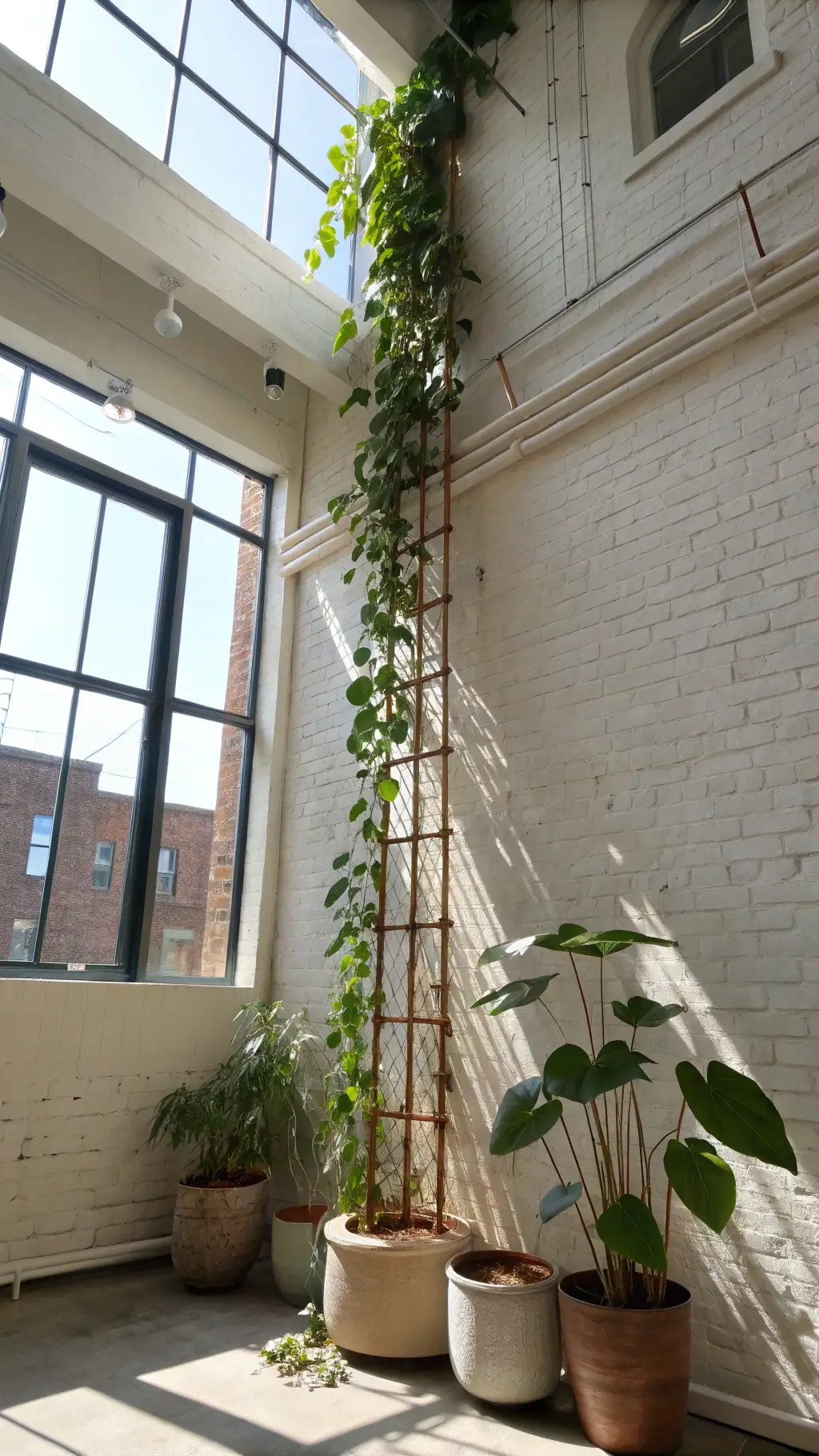
Support and Growth: Help Your Vine Climb
This isn’t just a plant, it’s a living sculpture that needs support:
Climbing Supports
- Driftwood
- Cork bark tubes
- Backgrounds that allow vertical growth

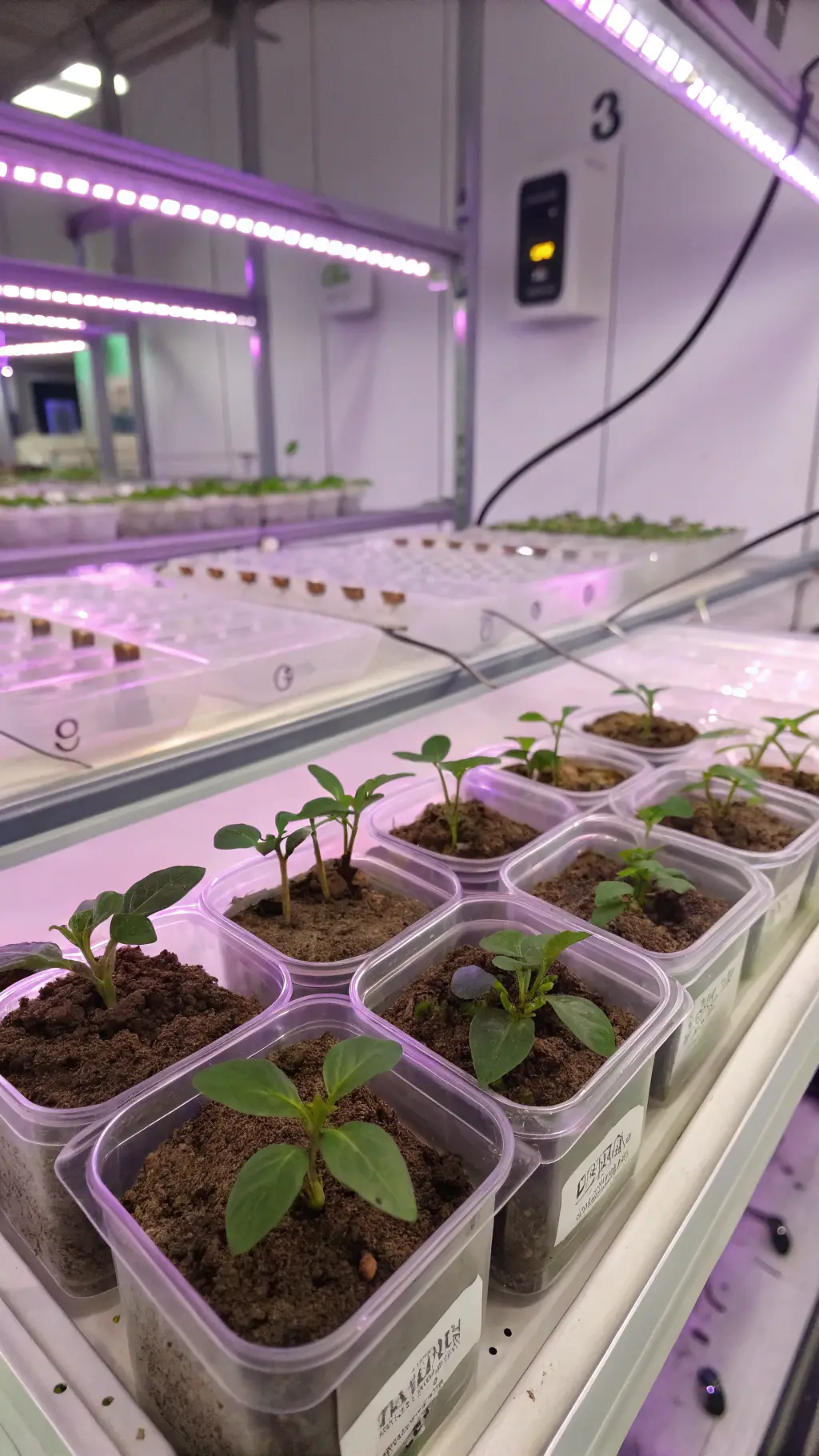
Propagation: A Test of Patience
Propagating Ficus villosa isn’t for the faint-hearted:
Cutting Tips
- Use cuttings with 4-6 leaves
- Root in moist soil or sphagnum moss
- Patience is key – it’s slower than other Ficus species
Care Difficulty: Not for Beginners
Difficulty Rating: 5/5 (Advanced Plant Parent Territory)
Translation: This plant requires dedication, but the rewards are incredible!
Expert Tips from a Plant Lover
- Treat those leaves like delicate silk – no water touching!
- Consider a terrarium for optimal humidity
- Acclimate slowly when changing environments
Final Thoughts
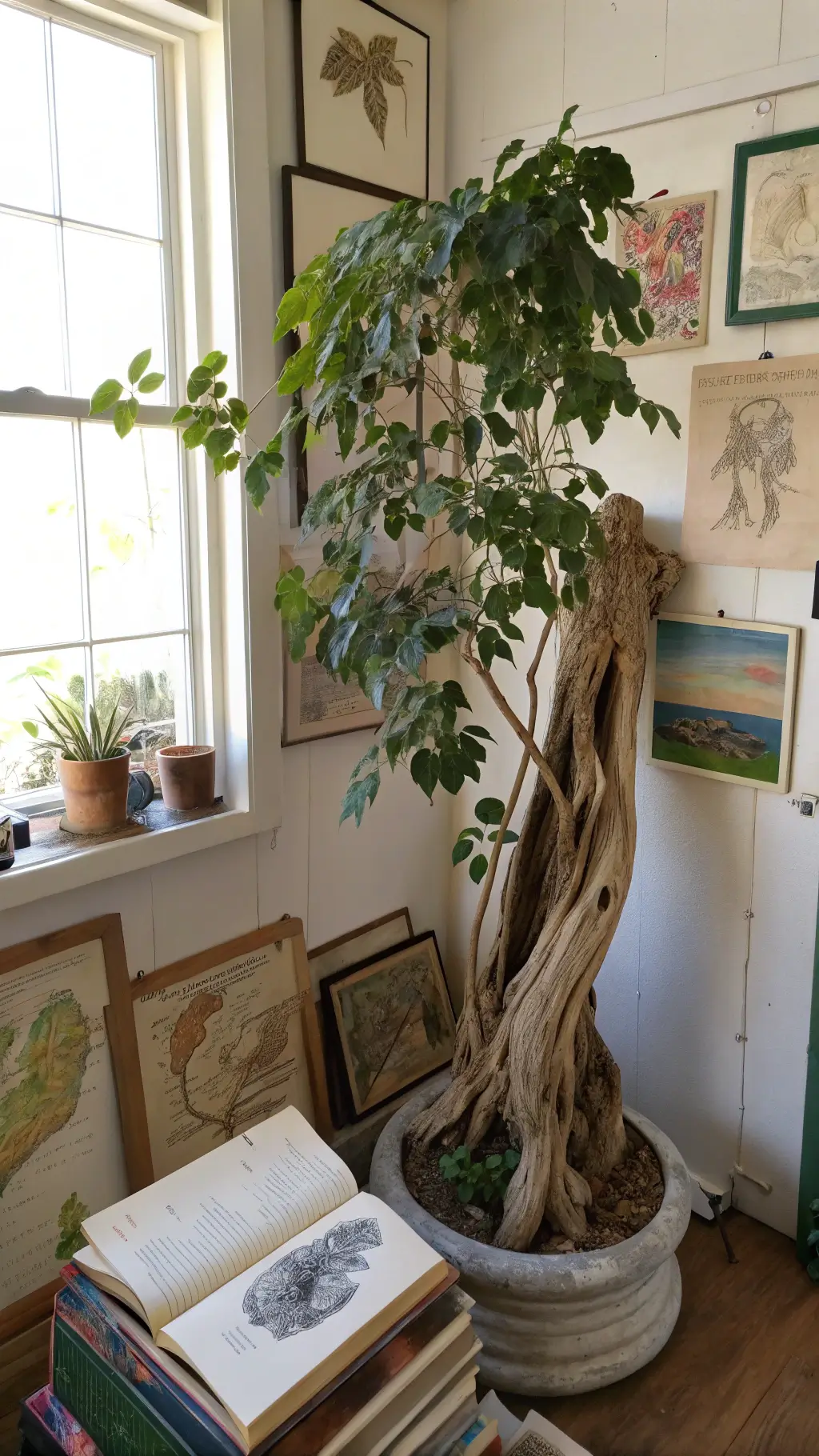
The Ficus villosa isn’t just a plant – it’s a living piece of art that demands respect, care, and a bit of botanical expertise.
Are you ready to welcome this stunning vine into your plant family?
Remember: Every plant has a story, and the Ficus villosa‘s tale is one of beauty, complexity, and tropical mystique.
Ficus villosa prefers bright, indirect light and high humidity. Keep the soil lightly moist and avoid letting it dry out completely, as the fuzzy leaves are sensitive to drought.