
My Journey with Philodendron Warszewiczii
There’s a philodendron with feathery, almost fern-like leaves that makes visitors do a double take — that’s Warszewiczii for you. It looks delicate but grows with surprising gusto once it settles in.
This Philodendron has become one of my favorites for its texture alone. Here’s the straight talk on keeping it lush, from water to light to the occasional bug battle.
Getting to Know Your Plant’s Quirks
Warszewiczii brings deeply cut, lacy foliage and a climbing streak. Treat it like a tropical aroid and it rewards you fast.
What Sets It Apart
- Deeply lobed, almost feathery leaves on long petioles.
- A climber at heart that appreciates a support.
- New leaves unfurl a lighter green, then deepen.
Mastering Water and Humidity
This is where most people trip up, so let’s keep it simple.
Building a Watering Schedule
Water thoroughly, then let the top of the soil dry a bit before the next round. In a typical home that’s roughly every 7–10 days, but your pot and light call the shots.
Overwatering vs Underwatering
Yellow, droopy lower leaves usually mean too much water; crisp, curling edges mean too little. When in doubt, the plant tells you through its leaves — just look before you pour.
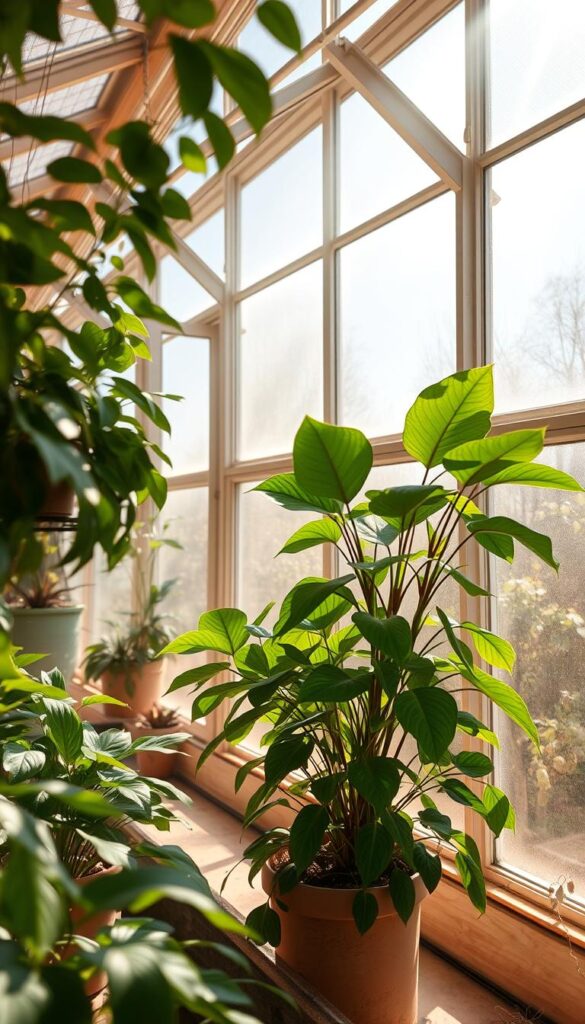
Here’s a short walkthrough of the plant itself so you can see the growth habit:
Light and Temperature Done Right
Bright indirect light keeps the foliage full and the lobes deep.
Picking the Window Spot
An east or filtered south window is the sweet spot. Too much direct sun bleaches the leaves; too little and the cuts get thin and stretched.
Soil, Fertilizer, and Avoiding Rot
A chunky, airy mix is non-negotiable for this one.
Choosing the Right Soil Mix
Mix coco coir, perlite, and orchid bark so water moves through the soil without pooling. That structure is what keeps the roots breathing.
If you want the deeper dive on soggy roots, our water move through the soil guide covers the mechanics in plain language.
When and How to Fertilize
Feed a balanced, water-soluble fertilizer at half strength monthly in spring and summer. Skip it in winter when growth slows.
Propagation Secrets for Lush Growth
Want more of that lacy foliage? You’ve got options.
Stem Cutting Propagation
Take a node-bearing cutting, root it in water or sphagnum, and pot up once roots hit an inch. It’s the fastest route to a new plant.
Basal Branch and Air-Layering
For a bushier result, separate a basal offshoot or wrap a node in damp moss to air-layer. Both let you explored various methods to share this beauty without stressing the mother plant.
Post-Propagation Care
Keep new cuttings humid and out of direct sun until they firm up. A clear bag or dome works wonders for the first two weeks.
Troubleshooting Common Care Issues
Even easy plants throw a fit now and then — here’s the quick fix list.
The Essentials
- Yellow leaves? Check water first, not light.
- Pale new growth? Nudge up the fertilizer slightly.
- Leggy stems? More light and a gentle prune.
Crafting a Vibrant Indoor Environment
The plant is only as happy as the room around it.
Managing Pests Effectively
Spider mites and thrips show up in dry air. Wipe leaves, raise humidity, and treat with neem or insecticidal soap at the first sign.
Controlling Humidity and Airflow
Target 60%+ humidity, but keep air moving so fungal issues don’t move in. A small fan on low does the trick.
For the broader indoor setup, our indoor guides round out the environment piece.
| Aspect | Watering Needs | Lighting Requirements |
|---|---|---|
| Frequency | Water thoroughly, allowing soil to dry slightly between waterings. | Prefers bright, indirect light but can adapt to medium light. |
| Humidity | Maintain moderate humidity for optimal growth. | Avoid direct sunlight to prevent leaf scorch. |
| Growth | Consistent moisture promotes healthy leaf development. | East- or west-facing windows are ideal for balanced light. |
| Aspect | Watering Needs | Symptoms to Watch For |
|---|---|---|
| Frequency | Water every 9 days with 0.5 cups of water | Leaves turning yellow (overwatering) |
| Moisture Check | Soil should dry slightly between waterings | Wilting leaves (underwatering) |
| Growth | Consistent moisture promotes healthy growth | Root rot if overwatered |
| Aspect | Recommendation | Benefits |
|---|---|---|
| Soil Type | A mix of coco coir, perlite, and orchid bark | Improves drainage, prevents root rot |
| Fertilizer | Balanced, water-soluble at half strength | Provides nutrients without burning roots |
| Pot Size | 1-2 sizes larger than current | Prevents waterlogging, promotes healthy growth |
| Problem | Symptoms | Solution |
|---|---|---|
| Pests | White, cottony spots or tiny moving dots | Treat with insecticidal soap or neem oil |
| Yellow Leaves | Leaves turning yellow and dropping | Adjust watering schedule, ensure good drainage |
| Drooping Stems | Soft, wilted stems | Water thoroughly, maintain humidity |
| Aspect | Recommendation | Benefits |
|---|---|---|
| Watering | Water every 9 days, 0.5 cups | Prevents root rot, promotes healthy growth |
| Lighting | Bright, indirect light | Encourages vibrant foliage |
| Temperature | 60-86°F range | Mimics natural habitat |
Conclusion
Warszewiczii asks for bright indirect light, a chunky draining mix, and steady humidity — not much to trade for those feathery leaves. Pick your propagation method, keep the water balanced, and give it a shot; this lacy philodendron will quickly become the textured star of your collection.