
Getting to Know the Ghost Plant
I found a ghost plant at a succulent show where the pale, almost translucent leaves looked carved from wax. It grows best in bright light that keeps the blue-gray color distinct; too much shade and it turns green and leggy. 🙂
Why the Ghost Plant Charms Everyone
The ghost plant, or Graptopetalum paraguayense, is wildly versatile. It brightens containers, rock gardens, and indoor shelves alike. It’s cold-hardy and low-maintenance, a rare combo.
Getting to Know This Mexican Native
Discover the fascinating world of the ghost plant, a Mexico native with real personality. Its rosettes shift color with sunlight: blue-gray in shade, pinkish-yellow in sun. It even propagates from leaves that fall and root on their own.
Standout Features
Delicate white star-shaped flowers bloom in spring. A powdery “pruinose” coating gives the leaves a waxy look you should handle gently. Folks also call it the “mother-of-pearl” plant for those shimmering leaves, and it quietly helps clean the air.
Soil and Container Choices
Well-drained, sandy, or cactus-specific soil is non-negotiable. Pick a pot with drainage holes and go slightly larger than the root ball, about 6 inches deep works nicely.
| Soil Type | Container Type | Drainage Features |
|---|---|---|
| Cactus-specific mix | Drainage holes | Good drainage |
| Sandy mix | Rock garden setup | Prevents water stagnation |
Watering and Drainage
These plant are drought-tolerant, so less is more. Overwatering causes leaf drop and rot, the two big killers.
Signs of Trouble
Excessive leaf drop and soft stems mean too much water. Check soil to the first knuckle; water only when dry. Add gravel at the pot bottom for runoff. A little extra water hurt mine once, lesson learned.
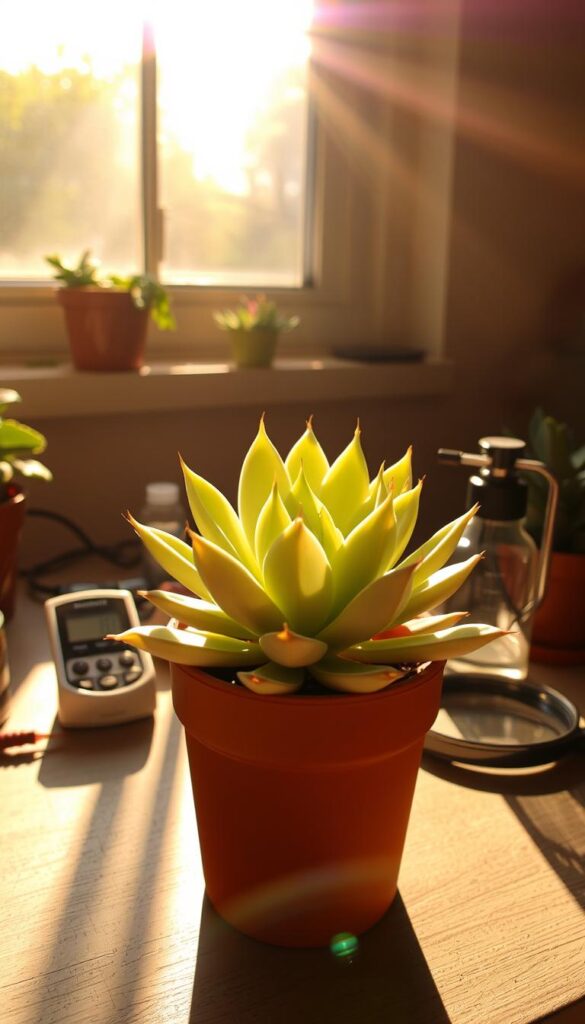
Sunlight and Temperature
Light Needs
Full to partial sun, near a south, east, or west window indoors. Morning sun with afternoon shade outdoors is ideal. Too much direct sun scorches; a touch of shade keeps colors vivid.
Climate Tweaks
Daytime 65–75°F, cooler nights around 55°F. In extreme heat, shade it; in cold, protect from frost or bring it inside.
Propagating the Ghost Plant
Leaf cuttings or offsets both work, and it’s genuinely easy.
Step-by-Step
Twist a healthy leaf off cleanly and let the cut end callous for a few days. Plant in well-drained soil, water sparingly, and give bright indirect light. Roots form fast.
| Propagation Method | Materials Needed | Success Rate |
|---|---|---|
| Leaf Cuttings | Healthy leaves, well-drained soil | High |
| Offsets | Healthy offsets, soil mix | Very High |
Advanced Care for Long-Term Growth
Feed occasionally with diluted cactus fertilizer or manure tea. Repot every 2–3 years in spring, prune after blooming to keep it full, and adapt as it matures.
| Care Aspect | Recommended Action |
|---|---|
| Nutrient Supply | Diluted cactus fertilizer during growing season |
| Repotting | Every 2-3 years in spring |
| Pruning | After blooming to shape and promote growth |
Troubleshooting Common Issues
Mealybugs leave white spots; root rot from overwatering gives soft stems and leaf drop. Leaf drop often signals stress from underwatering or temperature swings. Catch it early.
| Issue | Symptoms | Solution |
|---|---|---|
| Mealybugs | White spots on leaves | Horticultural oil treatment |
| Root Rot | Soft stems, yellow leaves | Adjust watering, improve drainage |
| Leaf Drop | Excessive leaf loss | Check watering, ensure proper temperature |
Using Ghost Plant in Garden Design
Its powdery leaves contrast beautifully against rugged stones in a rock garden. In containers, match the pot to its cool color palette. Pair it with plant like Echeveria or Sedum for texture and depth.
| Design Element | Setting | Enhancement |
|---|---|---|
| Rock Garden | Outdoor | Contrasting textures |
| Container | Indoor/Outdoor | Color coordination |
| Succulent Pairing | Both | Texture and color variety |
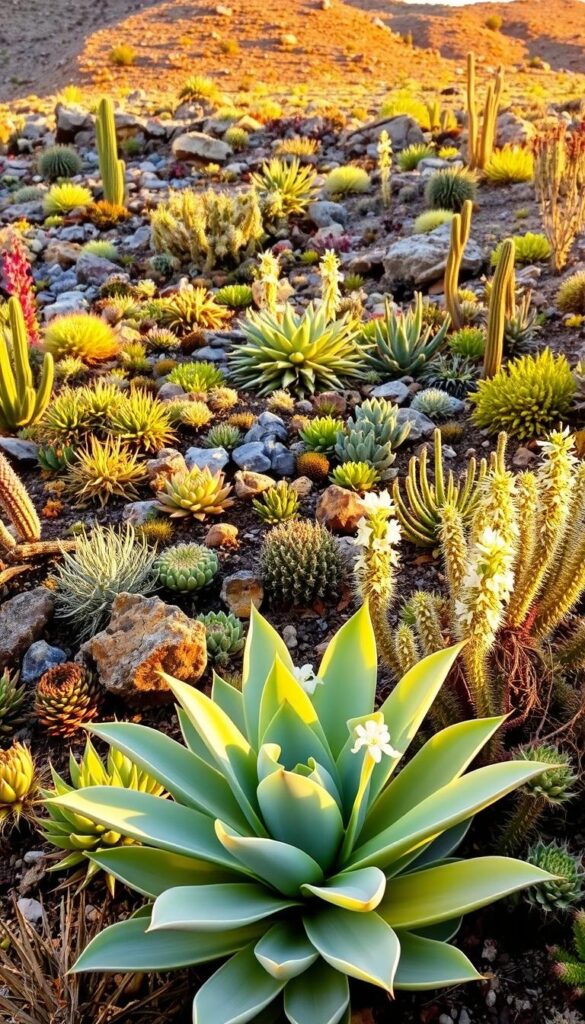
Seasonal Care: Winter and Summer
In winter, water sparingly and consider moving pots indoors to a bright cool spot; mulch guards against frost. In summer, water more but always check soil first and shade from peak sun.
| Season | Care Tips | Key Actions |
|---|---|---|
| Winter | Reduce watering | Use mulch, move indoors if necessary |
| Summer | Increase watering | Ensure drainage, provide afternoon shade |
The Bottom Line
The ghost plant needs bright indirect light to keep its pale, powdery color. Use fast-draining succulent soil and water only when the leaves feel soft. Pair it with other succulents for a low-maintenance showpiece. Give it a shot!