
How to Create a Stunning Lavender Hedge: A Gardener’s Complete Guide
I planted my lavender hedge in spring using thirty-two small English lavender starts spaced sixteen inches apart. By the second summer, the plants had filled in completely and I could brush my hand along the row and fill the air with scent.
Why Lavender Hedges Are Garden Game-Changers
Imagine walking past a hedge that:
- Releases a calming, intoxicating fragrance
- Attracts pollinators like bees and butterflies
- Requires minimal maintenance
- Adds stunning visual appeal to your landscape
Let’s dive into how you can make this garden dream a reality!
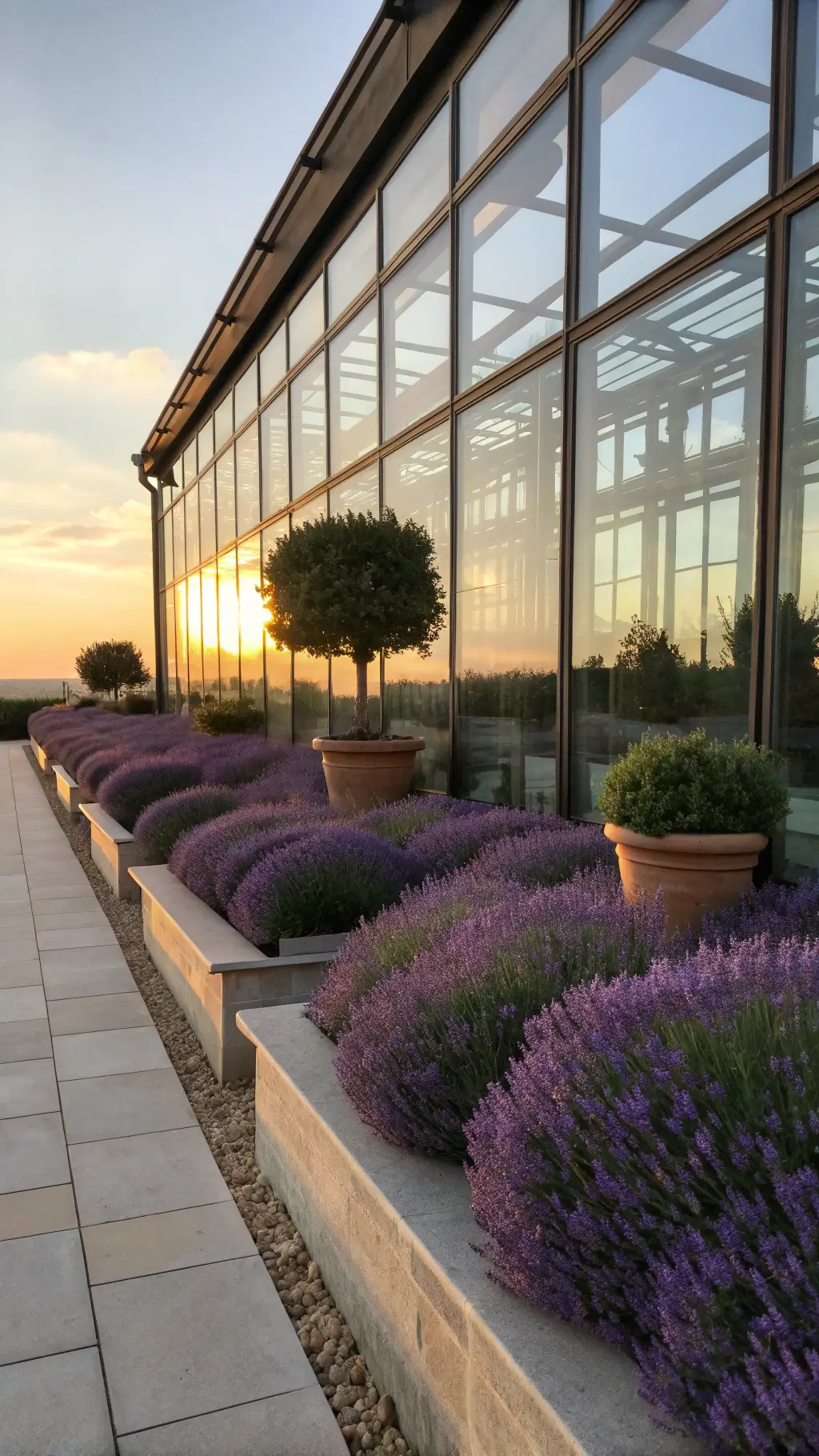
Choosing the Perfect Location: Sunlight is Your Best Friend
Lavender loves the sun – and I mean really loves it. Here’s what you need to know:
- Minimum 6 hours of direct sunlight daily
- South or west-facing locations are ideal
- Avoid shady spots that will make your plants weak and leggy
Soil Matters: The Foundation of a Healthy Lavender Hedge
Lavender is super picky about soil conditions. Here’s the secret sauce:
- Drainage is critical – these plants hate wet feet
- For clay soil, mix in:
- Coarse sand
- Gravel
- Perlite
- Consider creating a raised bed or planting on a slight mound
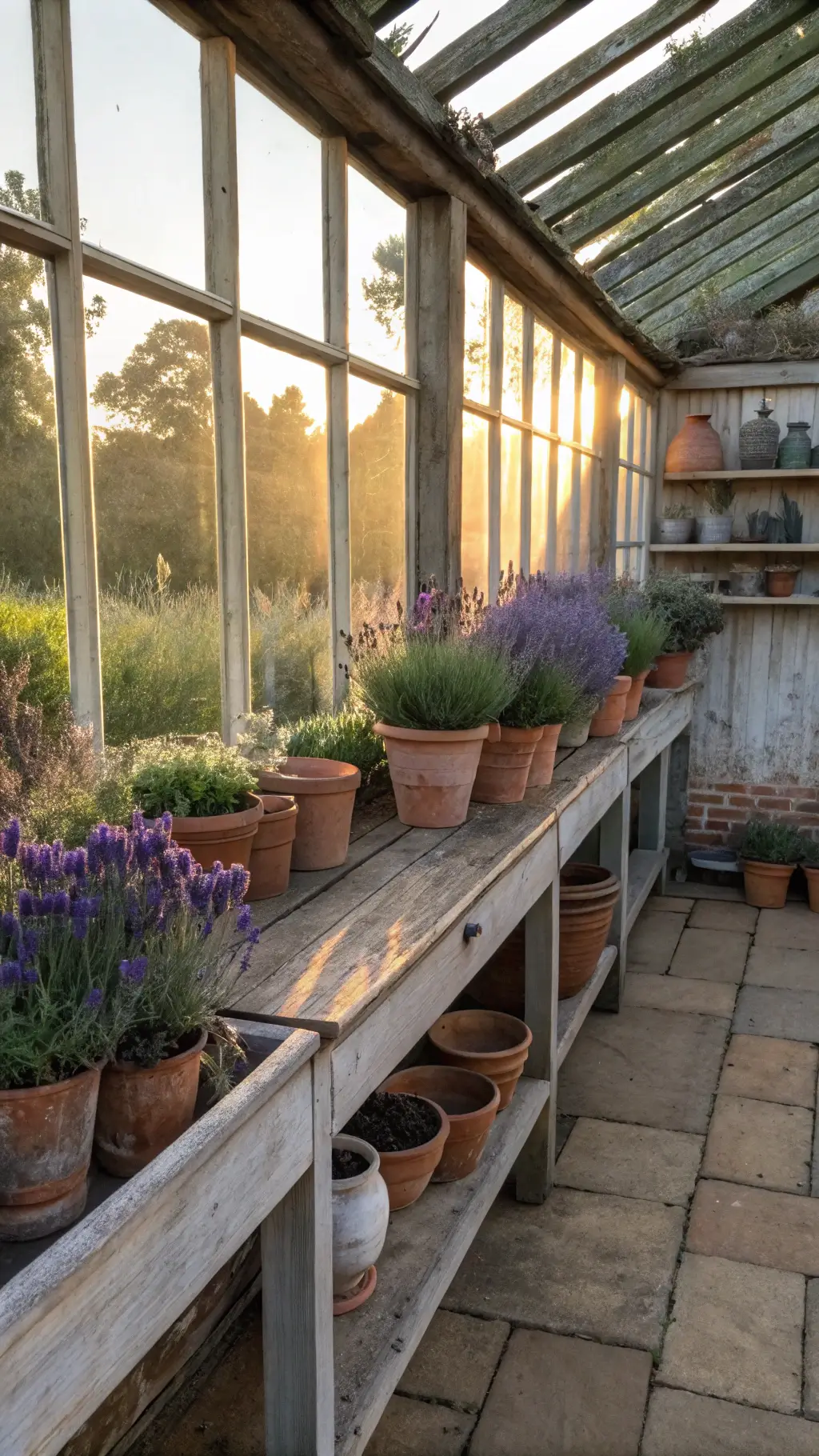
Planting Your Lavender Hedge: Step-by-Step
When to Plant
- Late spring is your golden window
- After the last frost has passed
- Soil temperature around 60-70°F
Spacing and Technique
- Space plants 18-24 inches apart
- Plant in odd numbers for a natural look
- Pro tip: Consider a double row for a fuller hedge
Planting Method
- Dig a hole slightly larger than the root ball
- Ensure the root ball is level with soil surface
- Backfill gently
- Water deeply after planting
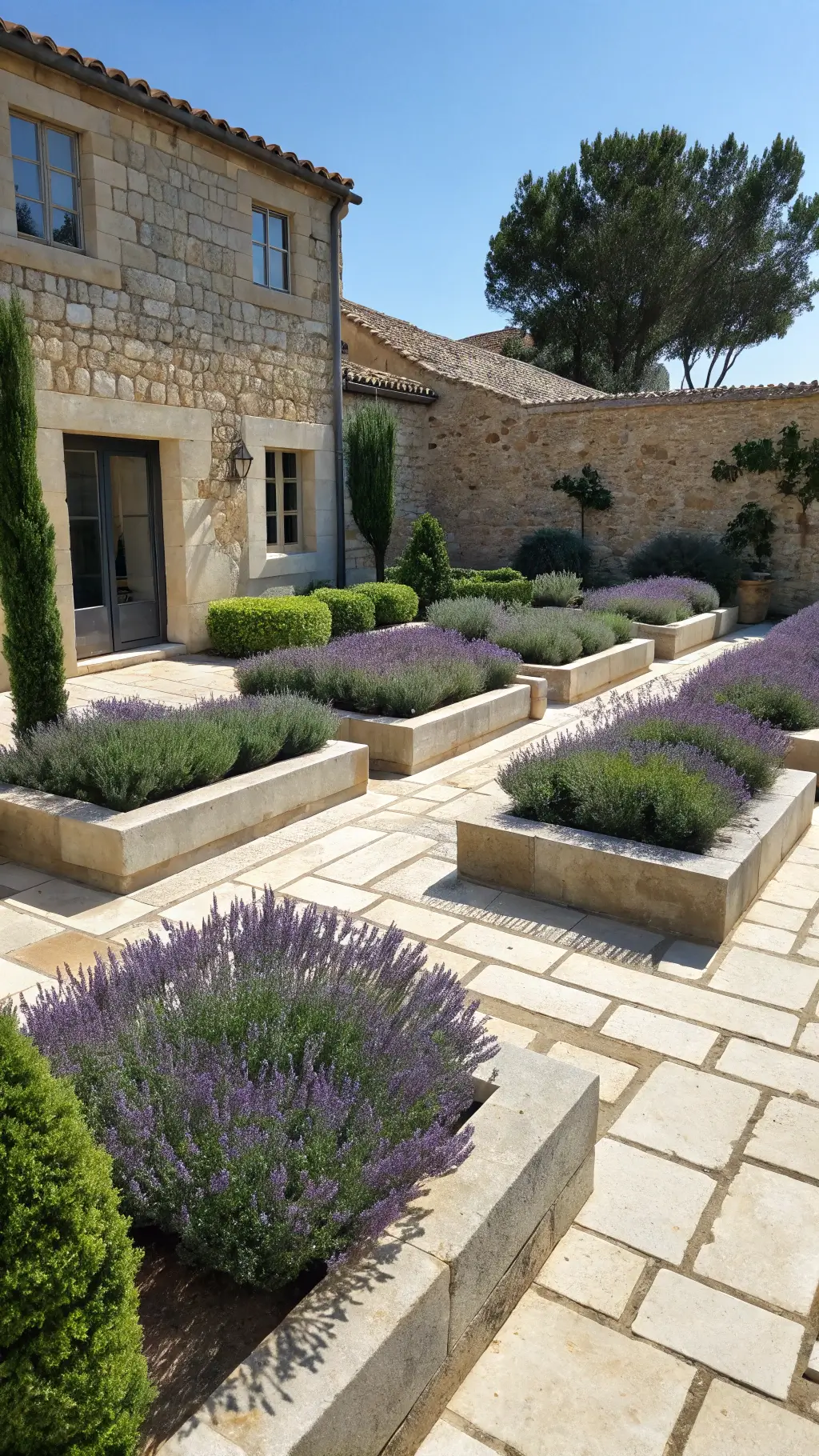
Choosing the Right Lavender Varieties
Not all lavenders are created equal:
English Lavender (Best for Hedges)
- Hidcote variety
- Munstead variety
- Hardy in most climates
- Compact growth habit
French Lavender
- Less hardy
- Great for warmer regions
- More delicate appearance
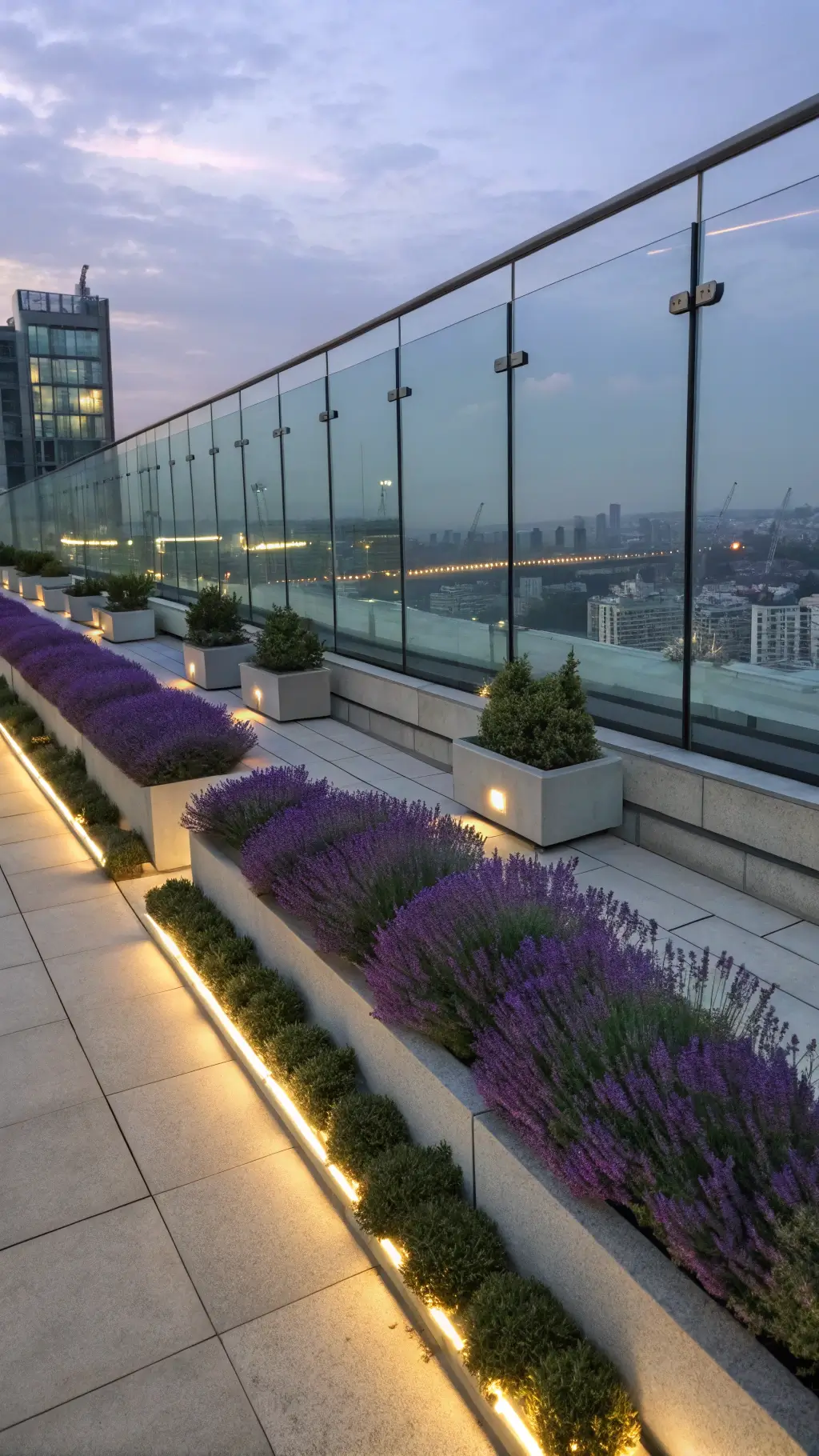
Care and Maintenance: Keeping Your Hedge Lush
Watering Wisdom
- First growing season: Regular deep watering
- Established plants: Drought-tolerant
- Key rule: Let soil dry between waterings
Pruning Secrets
- Prune annually in late summer
- Remove about 1/3 of plant height
- Maintains shape and encourages healthy growth
Common Mistakes to Avoid
- ❌ Overwatering
- ❌ Heavy fertilization
- ❌ Planting in shade
- ❌ Poor drainage
Pro Tips from a Seasoned Gardener
- Be patient! Full hedge development takes 2-3 years
- Mulch with gravel for improved drainage
- Plant near herbs or in Mediterranean-style gardens
Final Thoughts
Lavender hedges need full sun and soil that drains quickly. Plant in spring, give them room to dry between waterings, and shear lightly after bloom to keep the shape compact.
Lavender hedges need full sun and soil that drains quickly. Plant in spring, give them room to dry between waterings, and shear lightly after bloom to keep the shape compact.