
Getting Started with Ficus Fertilizing
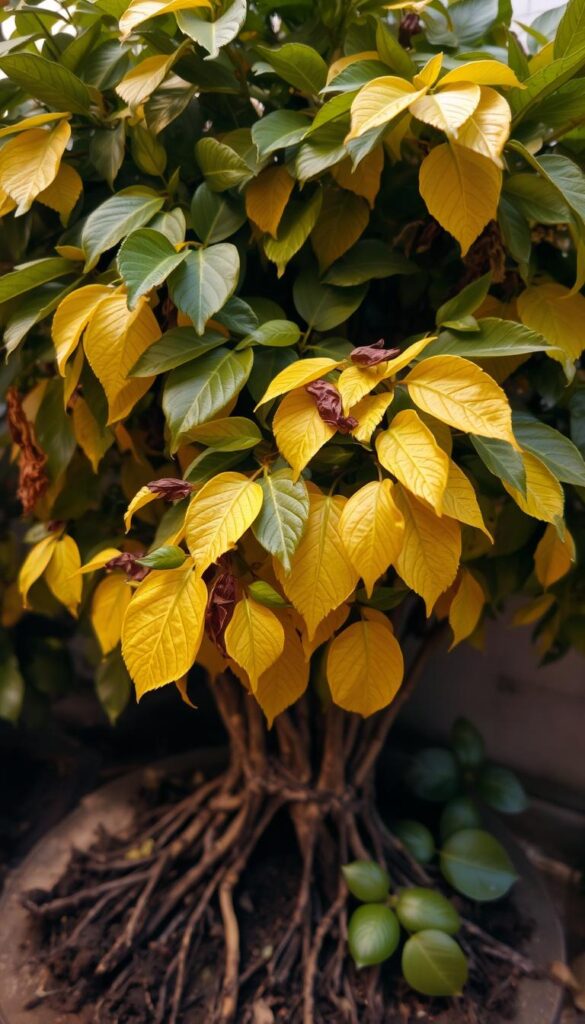
I feed my ficus collection only in spring and summer with half-strength liquid fertilizer. One year I overfed and salt crusted the soil surface — I had to flush the pots to bring the roots back.
Fertilizing is really about a balanced diet that supports strong growth and vivid leaves. Too much harms; too little slows things down. Find the middle and your tree thanks you.
Know Your Ficus’s Nutritional Needs
Ficus grow at different rates depending on light, water, and warmth. Yellowing leaves, stunted growth, or weak roots signal a deficiency — so watch and adjust.
| Deficiency | Symptoms | Solution |
|---|---|---|
| Nitrogen Deficiency | Yellowing leaves, slow growth | Increase nitrogen intake |
| Phosphorus Deficiency | Stunted growth, purplish leaves | Add phosphorus-rich fertilizer |
| Potassium Deficiency | Weak stems, yellow edges | Apply potassium supplement |
Healthy roots absorb nutrients, so always check them at repotting or pruning time.
The Role of Fertilizer in Growth
Fertilizer fuels leaf development and overall vigor. Spring is prime time — new growth needs those nutrients — and summer feeding keeps the canopy full. A few key points:
- Fertilizer stimulates healthy leaf growth and vitality.
- Spring is ideal to start as new growth appears.
- Summer feeding maintains strong, vibrant leaves.
- Proper feeding fixes yellowing and stunted growth.
Seasonal Feeding Schedule
Spring and summer are go time; fall you taper; winter you stop so the tree can rest.
- Fertilize monthly in spring and summer.
- Apply to the soil surface for even absorption.
- Reduce in fall, stop entirely in winter.
Application Methods
Top dressing sprinkles granular fertilizer on the soil so it breaks down slowly — great for steady growth. Watering in mixes liquid feed with water for fast delivery, perfect when a deficiency shows up.
| Method | Benefits | Best For |
|---|---|---|
| Top Dressing | Gradual nutrient release, reduces over-fertilization | Maintaining steady growth |
| Watering In | Direct nutrient delivery, quick absorption | Addressing nutrient deficiencies |
Pick the method that fits your tree and your routine. For the broader fertilizing and explore how you can give your tree, the Ficus drupacea guide is a solid next read.
Tools and Techniques
Measuring cups keep doses honest — I use them weekly to avoid overfeeding. A garden trowel spreads granular feed evenly, and a watering can delivers liquid fertilizer smoothly to the roots.
Tailoring Dosage to Size and Age
Young trees in small pots get half the recommended dose to protect delicate roots; mature trees take the full amount. Brighter spots may need more, low-light less.
| Tree Type | Dosage Guideline | Root System Impact |
|---|---|---|
| Young Trees | Start with half the recommended dose | Supports healthy root development |
| Mature Trees | Use full recommended dose | Enhances root strength and nutrient absorption |
Light and location shape the right dose. Adjust and you’ll see the root system respond.
Avoiding Over-Fertilization
Too much feed burns. Leaf edges yellow or brown, leaves wilt, roots stall. If you suspect overload, flush the soil hard with water and pause feeding — recovery follows once balance returns.
| Symptom | Result | Solution |
|---|---|---|
| Leaf Burn | Yellow or brown edges | Flush soil with water |
| Wilting | Soft, droopy leaves | Reduce fertilizer dose |
| Root Burn | Stunted growth | Repot with fresh soil |
Act fast and your ficus tree avoids long-term harm. Repotting each year refreshes the medium too.
Environment, Tips, and Routine
Light, temperature, and watering all affect how nutrients land. Bright indirect light and 65–75°F optimize uptake, and watering tuned to the environment prevents root issues.
| Environmental Factor | Ideal Condition | Benefit |
|---|---|---|
| Light | Bright, indirect | Supports photosynthesis |
| Temperature | 65-75°F | Optimizes nutrient absorption |
| Watering | Adjusted based on environment | Prevents root issues |
A few steady habits keep things on track — match dose to pot size, feed during active months, and watch the light.
| Tip | Benefit | Recommended Context |
|---|---|---|
| Adjust fertilizer dosage based on pot size | Prevents over-fertilization, promotes healthy root growth | Especially for young or recently repotted trees |
| Use liquid fertilizer during active growth | Provides quick nutrient absorption for vibrant leaves | Spring and summer months when growth is active |
| Monitor light exposure and adjust care accordingly | Ensures optimal nutrient absorption and prevents stress | For trees in varying light conditions |
| Technique | Benefit |
|---|---|
| Daily Nutrient Checks | Ensures steady growth |
| Adjusting Dosage | Prevents over-fertilization |
| Seasonal Application | Supports growth cycles |
Conclusion
Ficus fertilizing boils down to feed in spring and summer, rest in winter, and never overload. Half-strength liquid feed, watch for burn, and flush if you go too far. Your ficus will reward the restraint — give it a shot! 🌲