
How to Create a Bonsai Tree: A Beginner’s Guide to Cultivating Miniature Masterpieces
I created my first bonsai from nursery stock after buying a five-dollar ornamental juniper and spending an afternoon removing nursery soil and pruning the roots to fit a training pot. Within two years it looked like a finished tree, even though I had barely touched the branches.
Getting Started: Two Paths to Bonsai Mastery
Two ways in, and both are more approachable than they look.
Creating a bonsai tree isn’t just a hobby – it’s an art form that requires dedication, skill, and a whole lot of patience. I’ll walk you through two primary methods: transforming nursery stock and growing from seeds .
Creating a Bonsai from Nursery Stock: The Faster Route
Quick Wins for Nursery Stock Bonsai :
- Select a tree with promising characteristics
- Immediate potential for shaping
- Faster results compared to seed method
Choosing Your Tree
When selecting a nursery tree, look for: The Transformation Process Root Pruning Carefully remove tree from nursery pot Prune approximately 1/3 of the roots This encourages compact root growth Artistic Shaping Prune branches strategically Use wire to guide branch positioning Create your desired aesthetic form Potting Use specialized bonsai soil Choose an appropriately sized bonsai pot Ensure proper drainage Pro Tip: After initial styling, allow your tree 1-2 years to recover and establish itself. Growing Bonsai from Seeds: The Patient Artist’s Path Seed Method Highlights: Complete control over tree development Requires significant time investment Ultimate test of horticultural patience Seed Selection and Germination Choose seeds from bonsai-friendly species Perform seed stratification (cold treatment) Use specialized seed-starting soil Maintain consistent warmth and moisture Long-Term Development Nurture seedlings for 3-5 years before serious styling Gradually prune and shape Repot into progressively smaller containers Key Considerations for Both Methods Patience is Your Greatest Tool Bonsai isn’t about instant gratification .
- Small, compact leaves or needles
- Interesting branch structure
- Healthy root system
- Potential for dramatic shape
The Transformation Process
Pro Tip: After initial styling, allow your tree 1-2 years to recover and establish itself.
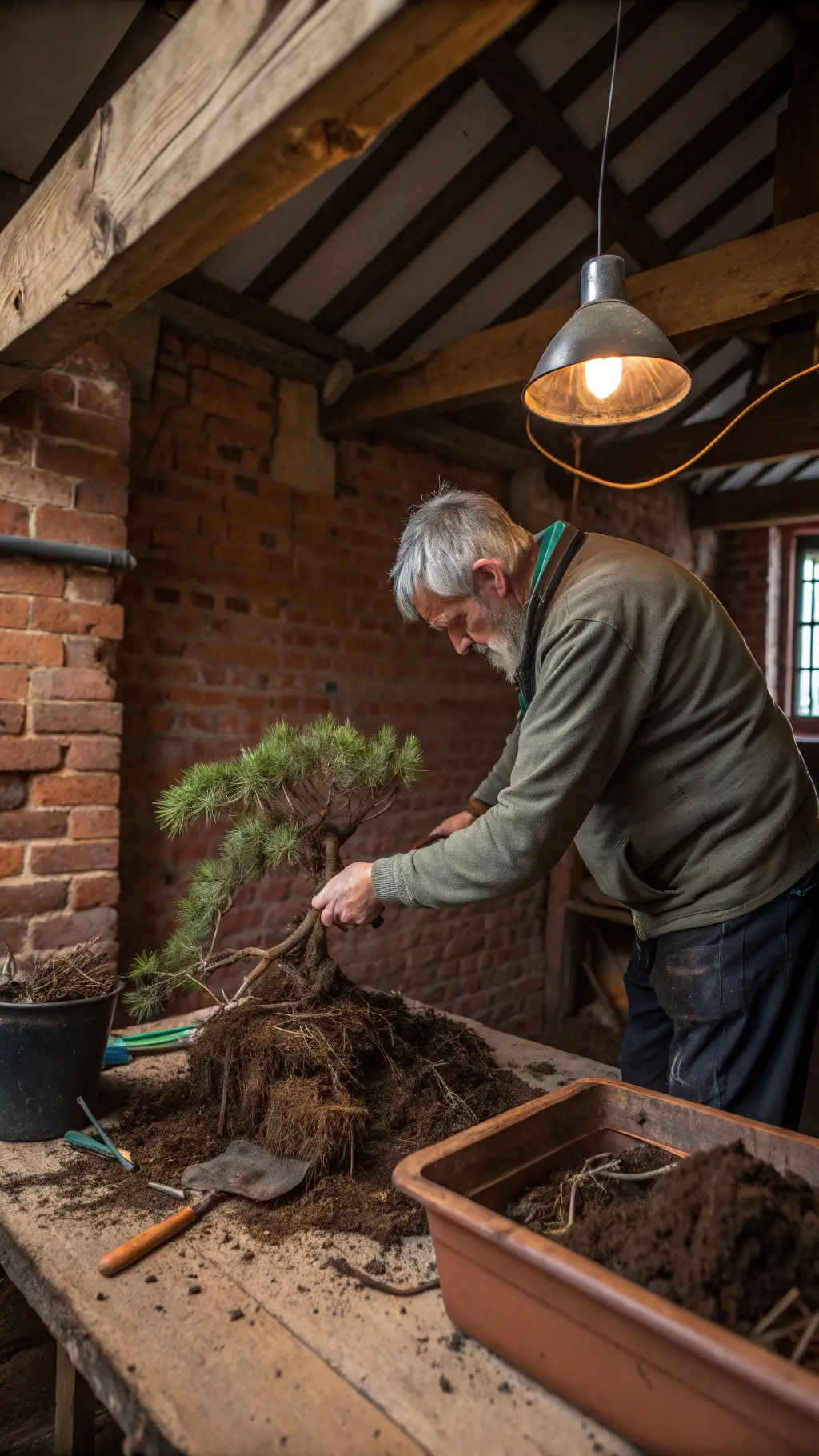
- Root Pruning Carefully remove tree from nursery pot Prune approximately 1/3 of the roots This encourages compact root growth
- Carefully remove tree from nursery pot
- Prune approximately 1/3 of the roots
- This encourages compact root growth
- Artistic Shaping Prune branches strategically Use wire to guide branch positioning Create your desired aesthetic form
- Prune branches strategically
- Use wire to guide branch positioning
- Create your desired aesthetic form
- Potting Use specialized bonsai soil Choose an appropriately sized bonsai pot Ensure proper drainage
- Use specialized bonsai soil
Growing Bonsai from Seeds: The Patient Artist’s Path
Seed Method Highlights:
- Complete control over tree development
- Requires significant time investment
- Ultimate test of horticultural patience
Seed Selection and Germination
Long-Term Development Nurture seedlings for 3-5 years before serious styling Gradually prune and shape Repot into progressively smaller containers Key Considerations for Both Methods Patience is Your Greatest Tool Bonsai isn’t about instant gratification . It’s a long-term relationship with a living sculpture that evolves over decades. Essential Care Tips Consistent watering Proper light exposure Regular pruning Seasonal maintenance Careful fertilization Common Beginner Mistakes to Avoid Overwatering Aggressive initial pruning Neglecting root health Impatience with growth Final Thoughts Whether you choose nursery stock or seeds , remember: every bonsai tells a story.
- Choose seeds from bonsai-friendly species
- Perform seed stratification (cold treatment)
- Use specialized seed-starting soil
- Maintain consistent warmth and moisture
Long-Term Development
- Nurture seedlings for 3-5 years before serious styling
- Gradually prune and shape
- Repot into progressively smaller containers
Want the deeper dive? Our Bonsai covers it.
Want the deeper dive? Our Grow Lemon Tree From Seed covers it.
Key Considerations for Both Methods
A few moves do most of the heavy lifting.
Patience is Your Greatest Tool Bonsai isn’t about instant gratification . It’s a long-term relationship with a living sculpture that evolves over decades. Essential Care Tips Consistent watering Proper light exposure Regular pruning Seasonal maintenance Careful fertilization Common Beginner Mistakes to Avoid Overwatering Aggressive initial pruning Neglecting root health Impatience with growth Final Thoughts Whether you choose nursery stock or seeds , remember: every bonsai tells a story. Your tree will be a unique expression of nature, guided by your patient hands and artistic vision.
Patience is Your Greatest Tool
Bonsai isn’t about instant gratification . It’s a long-term relationship with a living sculpture that evolves over decades.
Essential Care Tips
- Consistent watering
- Proper light exposure
- Regular pruning
- Seasonal maintenance
- Careful fertilization
Want the deeper dive? Our Growing Bonsai Trees covers it.
Common Beginner Mistakes to Avoid
Watch for these classic red flags before they spiral.
Overwatering Aggressive initial pruning Neglecting root health Impatience with growth Final Thoughts Whether you choose nursery stock or seeds , remember: every bonsai tells a story. Your tree will be a unique expression of nature, guided by your patient hands and artistic vision. Recommended Resources Local botanical gardens Bonsai workshops Specialized gardening books Online tutorials and forums Nursery stock is the fastest way to start bonsai because you begin with a trunk that already has character. Seeds are rewarding but require years of patience before the trunk develops significant size.
- Overwatering
- Aggressive initial pruning
- Neglecting root health
- Impatience with growth
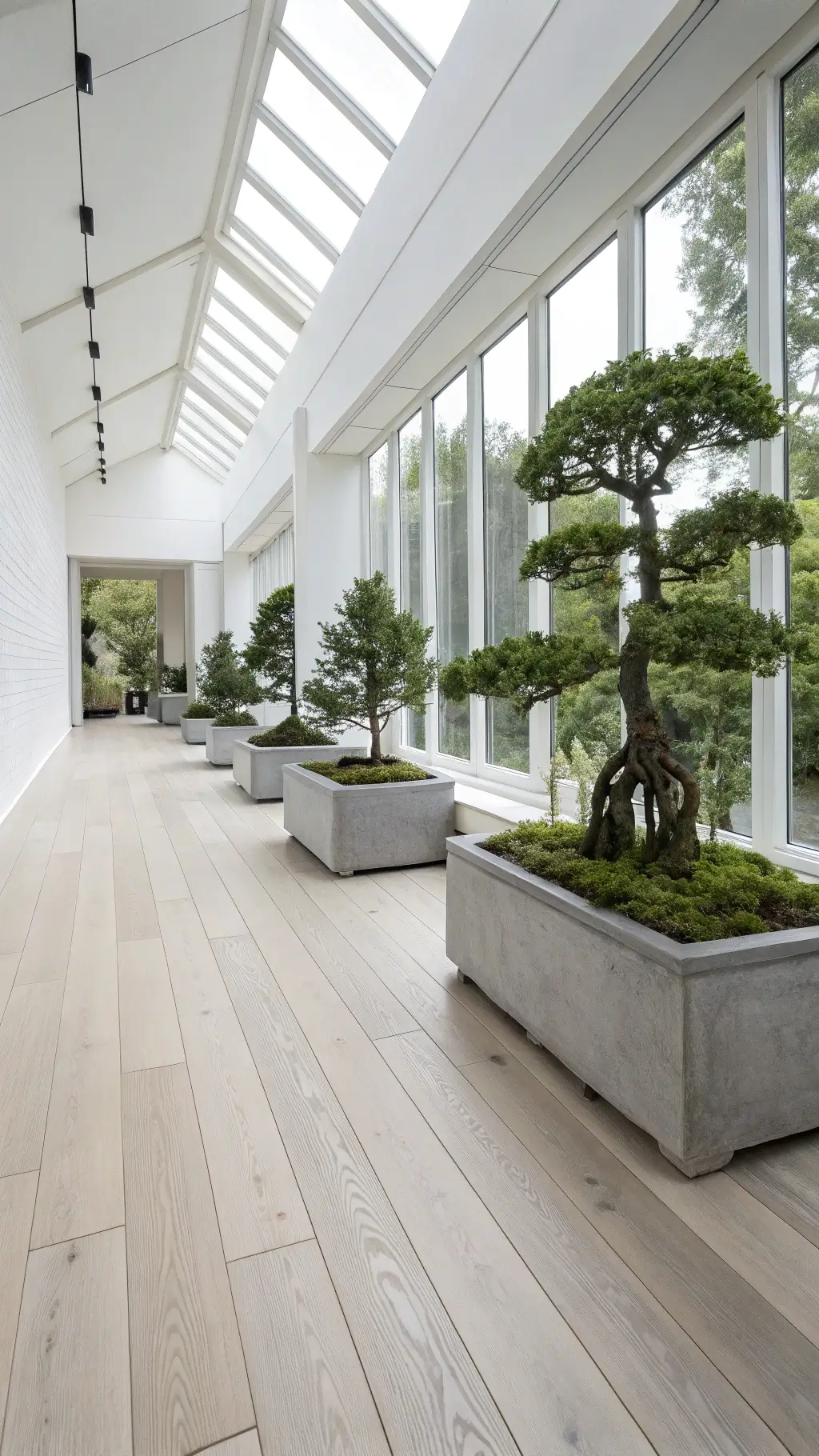
Want the deeper dive? Our prune and shape covers it.
Conclusion
Whether you choose nursery stock or seeds , remember: every bonsai tells a story. Your tree will be a unique expression of nature, guided by your patient hands and artistic vision. Nursery stock is the fastest way to start bonsai because you begin with a trunk that already has character. Seeds are rewarding but require years of patience before the trunk develops significant size.
Give it a shot!