
Finding the Perfect Bonsai: 10 Expert Tips for Selecting a High-Quality Tree
Buying a bonsai is like adopting a pet with a longer warranty. Pick wrong and you fight the tree forever; pick smart and it rewards you for decades.
Why Choosing the Right Bonsai Matters
A healthy, well-structured tree is easier to keep alive and far prettier as it matures. Start with quality and everything else gets simpler.
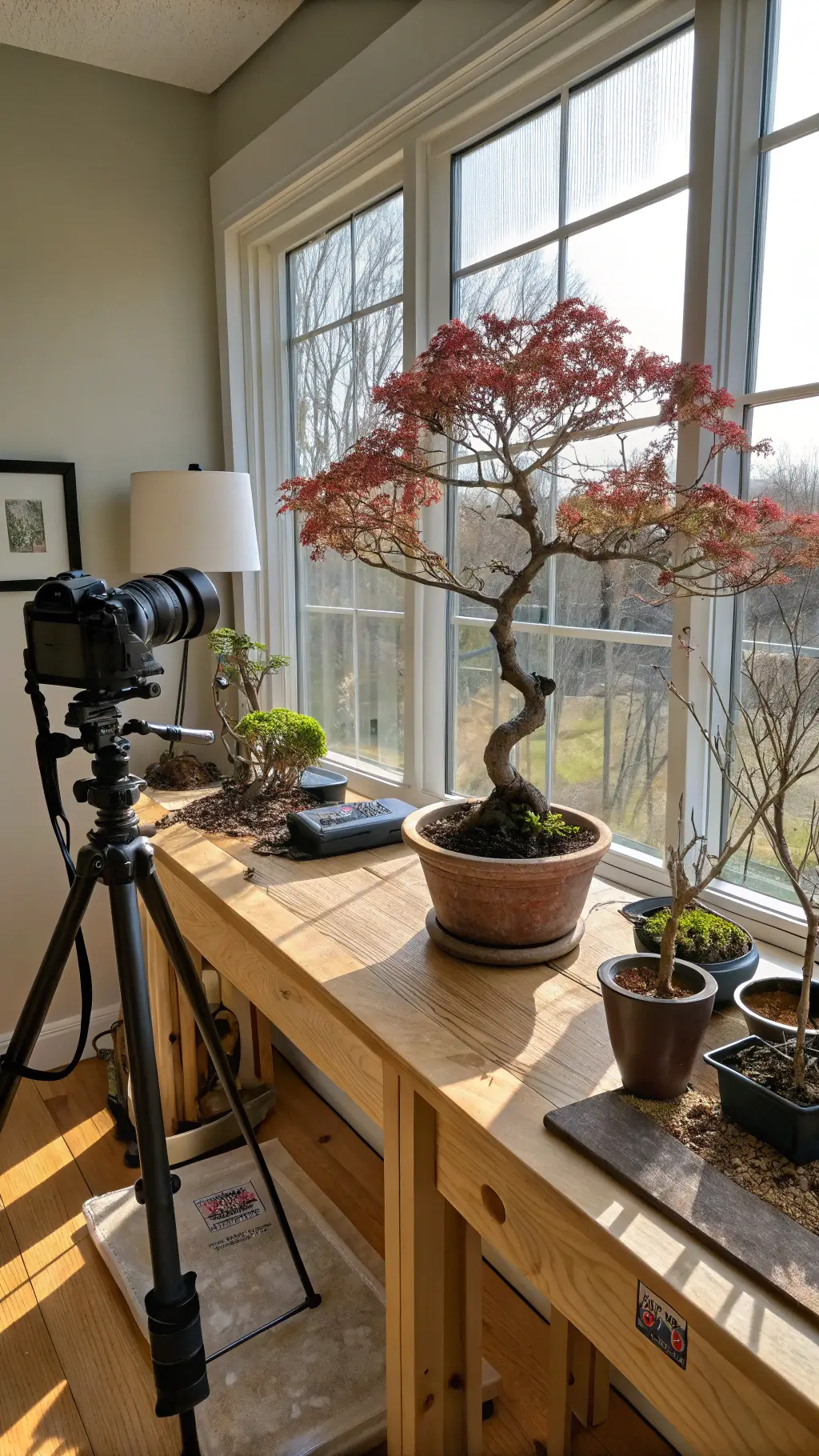
Top 10 Pro Tips for Selecting a Knockout Bonsai
Here’s the checklist I run through before any tree comes home with me.

1. The Trunk: Your Bonsai’s Backbone
Look for taper and character. A fat base narrowing to the top reads as ancient, even on a young tree.

2. Structure Is Everything
Branches should alternate and diminish upward. A clean framework beats a bushy mess every time.
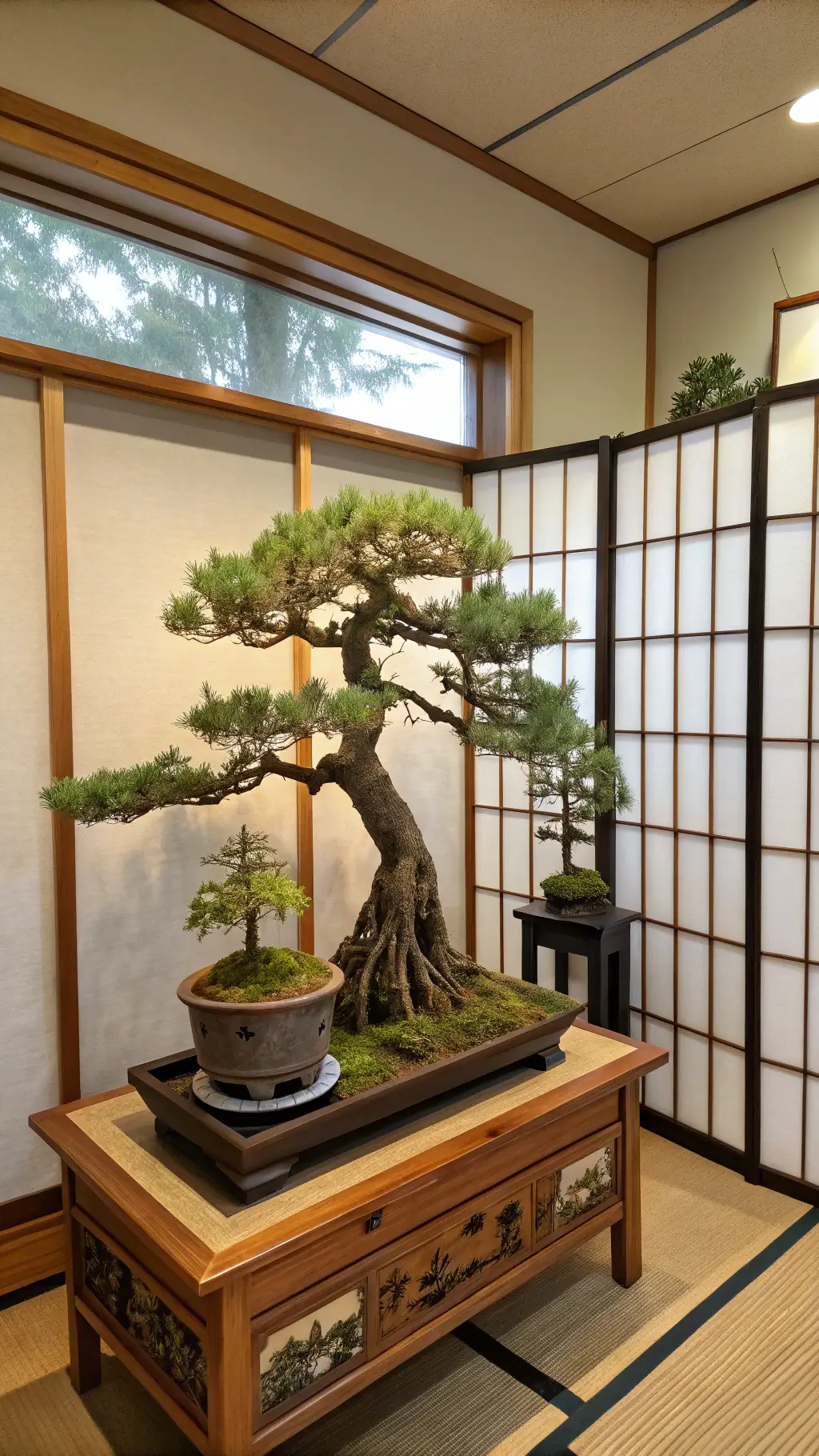
3. Healthy Foliage = Happy Bonsai
Vibrant, even leaves signal a tree that’s been cared for. Patchy yellowing is a red flag, not a quirk.

4. Know Your Skill Level
Beginners should grab hardy junipers or ficus, not a prima donna species that demands a greenhouse.

5. Root and Soil Health Matters
Lift the tree if you can; surface roots should be visible and the soil not soggy or bone dry.

6. Training and Pruning Signals
A tree already partly trained saves you years. Look for wired branches that have set.
7. Future Potential Is Key
Imagining the tree in five years matters more than how it looks today. Buy the potential.
8. Where to Buy
Reputable nurseries beat random market stalls. You’re paying for the care history, not just the pot.
9. Avoid Major Flaws
Reverse taper, big scars, or dead roots are hard to fix. Walk away if they’re there.
10. Trust Your Gut
If a tree makes you smile, that’s data too. The best bonsai are the ones you’ll actually tend.
Final Wisdom
Start with our bonsai hub and the Ficus group for beginners. Decide Choose a tree early, study bonsai for species insight, and use bonsai to match a tree to your home.
Conclusion
A great bonsai starts with a smart purchase: trunk, structure, roots, and your own skill level. Buy the potential. Give it a shot!