Blog

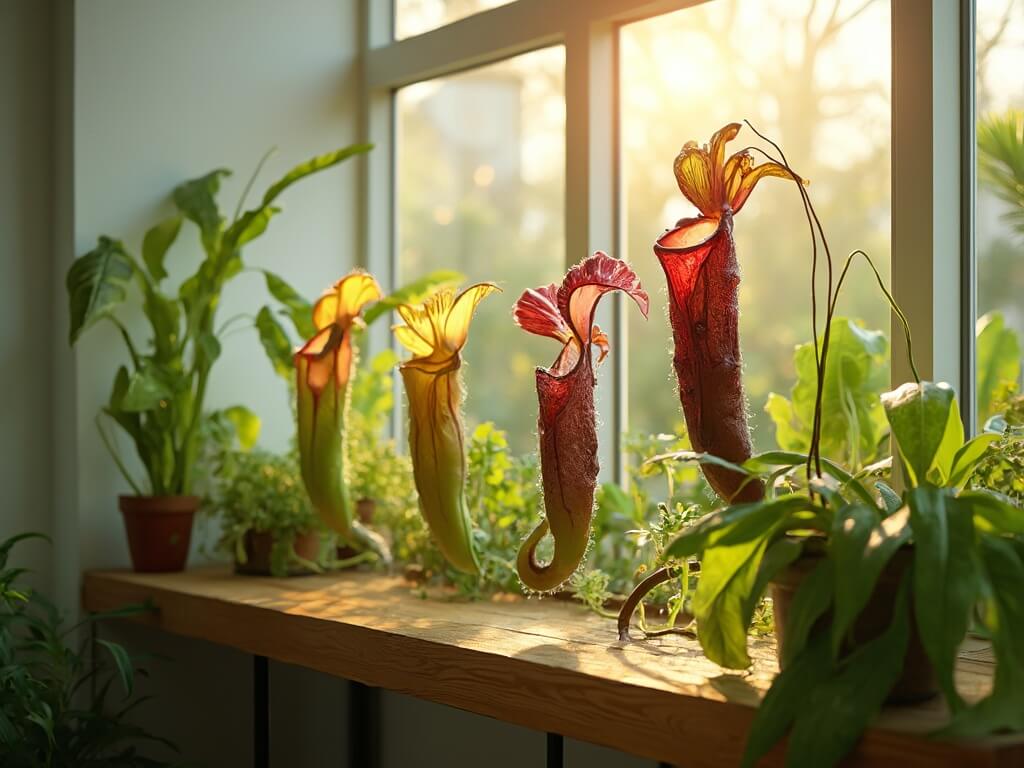
"Nepenthes mirabilis tropical pitcher plants on a cedar shelf in a sunlit modern sunroom"

Growing Nepenthes Mirabilis: A Complete Guide to Tropical Pitcher Plants

Growing Nepenthes Mirabilis: A Complete Guide to Tropical Pitcher Plants My Nepenthes mirabilis was an impulse buy at a garden center that had it sitting in a tray of tap water. I repotted it into sphagnum immediately, and within a month it had produced three new pitchers along a vine that was already trailing. Why […]

Growing Nepenthes Mirabilis: A Complete Guide to Tropical Pitcher Plants Read More »

"Majestic Burgundy Rubber Tree in a modern loft setting during golden hour, with rich leaf texture and dramatic shadows"

The Ultimate Guide to Caring for Your Burgundy Rubber Tree: From Rookie Mistakes to Pro-Level Plant Parenting

Hey there, fellow plant enthusiast! My first Ficus elastica Robusta was a floor model at a nursery closing sale. It had three leaves and a crooked stem, but within two years it turned into a solid five-foot tree in my living room. Why Burgundy Rubber Trees Are Total Game-Changers Listen up. If you’re looking for

The Ultimate Guide to Caring for Your Burgundy Rubber Tree: From Rookie Mistakes to Pro-Level Plant Parenting Read More »

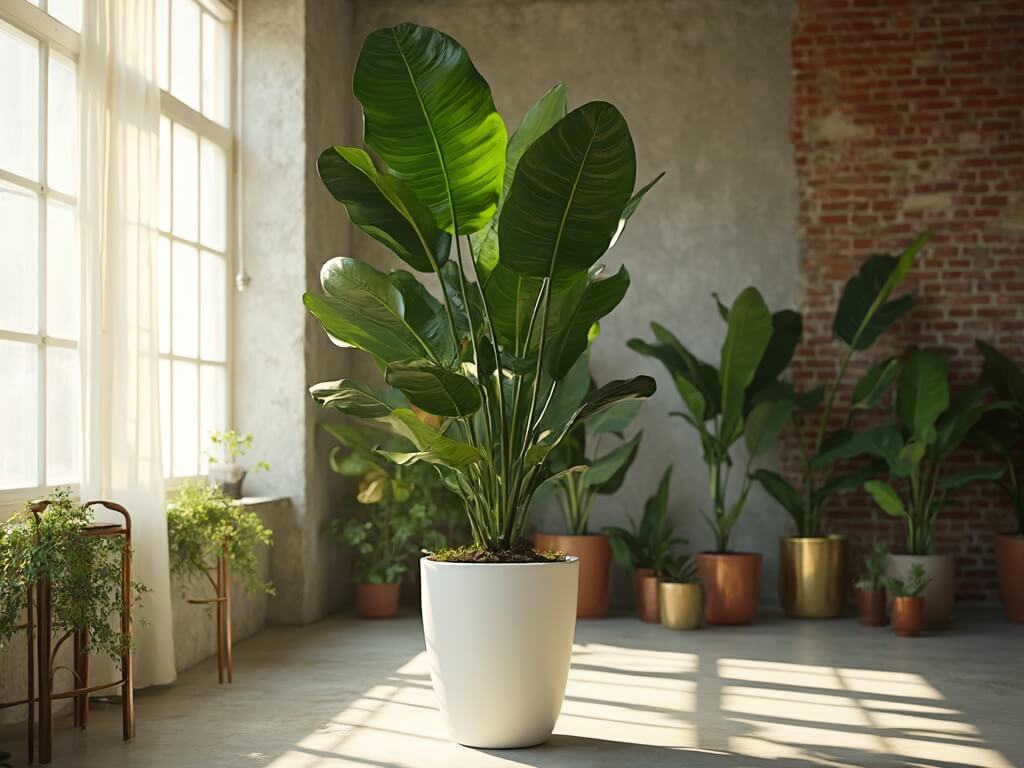
"Majestic Ficus elastica (rubber plant) in a modern loft setting with morning light illuminating its glossy, dark green leaves, positioned against a backdrop of exposed brick walls and smaller plants."

Mastering Rubber Plant Care: The Ultimate Guide to Growing Ficus Elastica

Mastering Rubber Plant Care: The Ultimate Guide to Growing Ficus Elastica I bought a Ficus elastica rubber plant because the nursery owner told me it was the same variety her grandmother grew in the sixties. The burgundy leaves darkened to nearly black within a month of bringing it home. Why Rubber Plants Are Every Plant

Mastering Rubber Plant Care: The Ultimate Guide to Growing Ficus Elastica Read More »

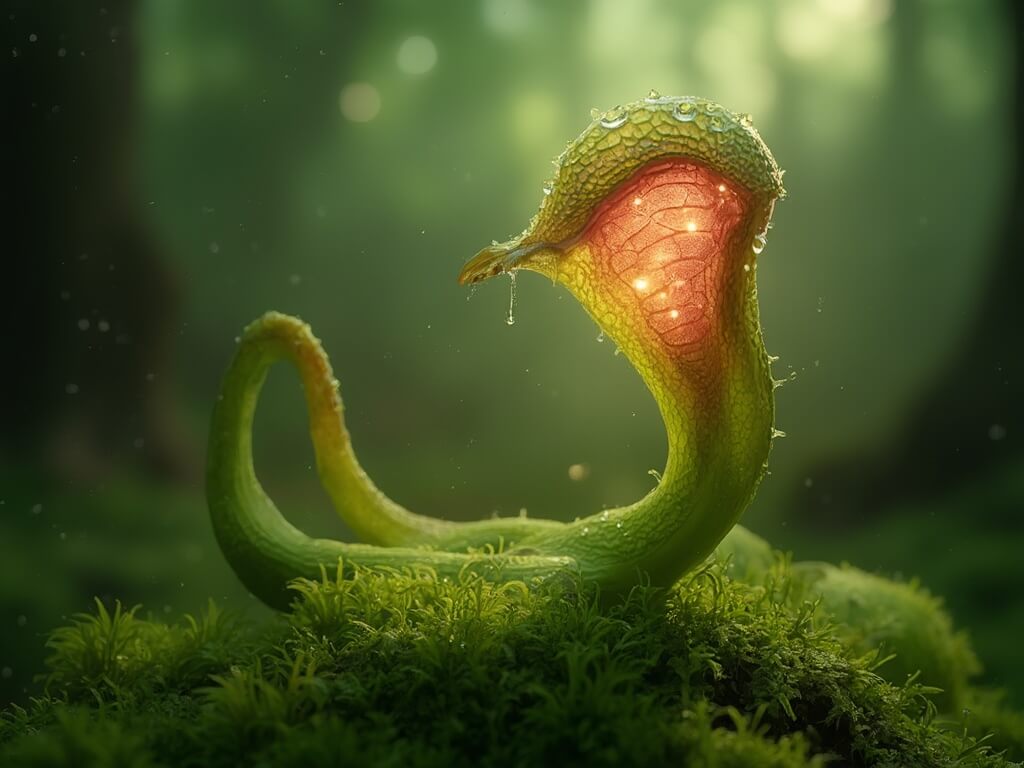
"Translucent Darlingtonia californica (Cobra Lily) pitcher glowing in backlit, showing gradient color and intricate patterns in high-resolution macro photograph"

The Fascinating Cobra Lily: Nature’s Masterpiece of Carnivorous Adaptation

Meet the Cobra Lily: A Plant Like No Other I saw Darlingtonia californica growing in a seep at a botanical garden where the curved hoods and translucent windows looked like something from a science fiction film. The plant is native to the Pacific Northwest and needs cool roots to survive. Let me introduce you to

The Fascinating Cobra Lily: Nature’s Masterpiece of Carnivorous Adaptation Read More »

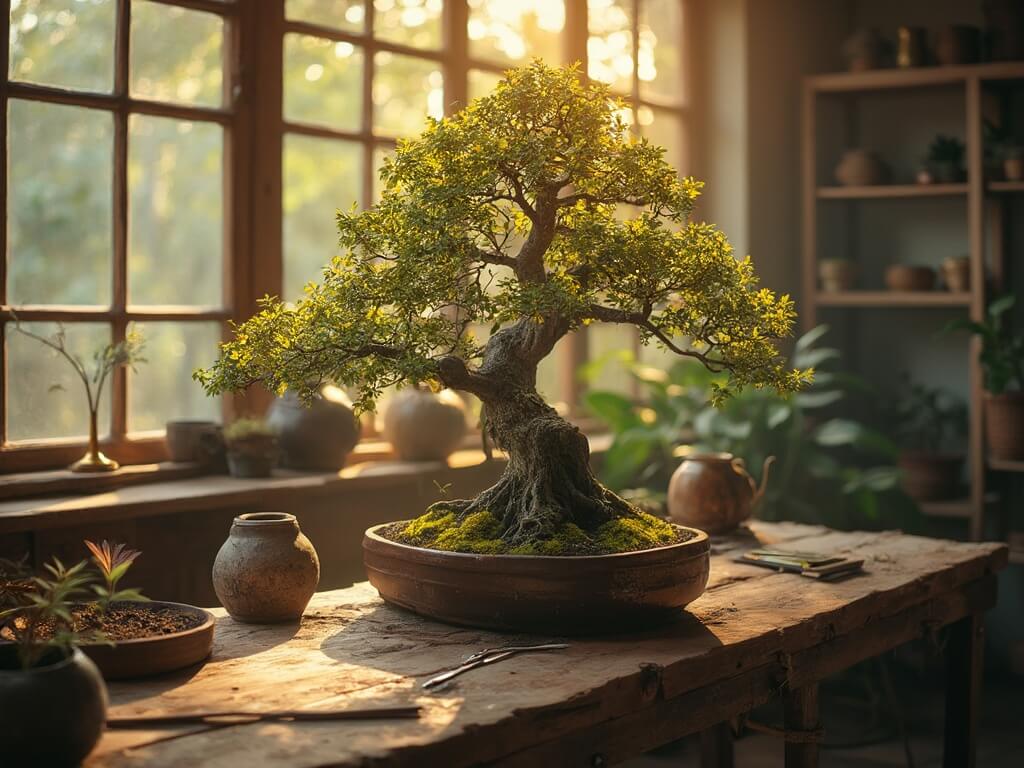
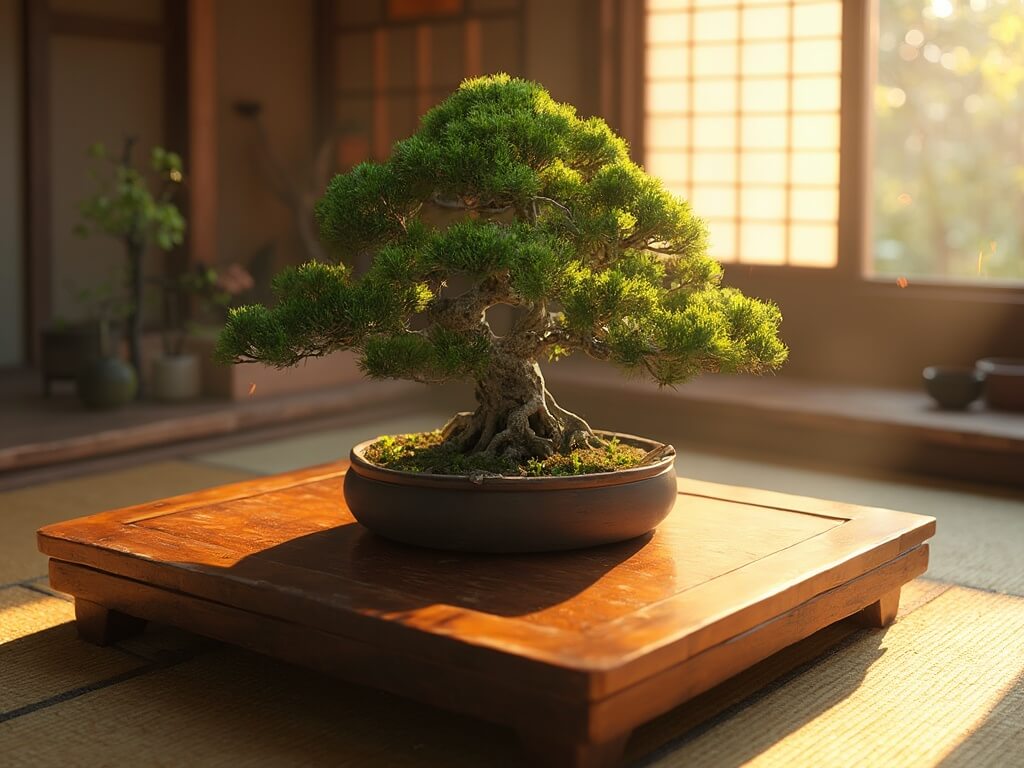
"Japanese maple bonsai in a cozy, well-lit workspace with precisely arranged pruning tools, ceramic pots, handcrafted soil container, and copper watering can"

The Ultimate Seasonal Bonsai Care Guide: Nurturing Your Miniature Masterpiece All Year Round

The Ultimate Seasonal Bonsai Care Guide: Nurturing Your Miniature Masterpiece All Year Round I mark my calendar with four bonsai maintenance dates each year instead of trying to remember when each task is due. Repotting happens in early spring, heavy pruning in late spring, wiring in summer, and winter protection setup before the first frost.

The Ultimate Seasonal Bonsai Care Guide: Nurturing Your Miniature Masterpiece All Year Round Read More »

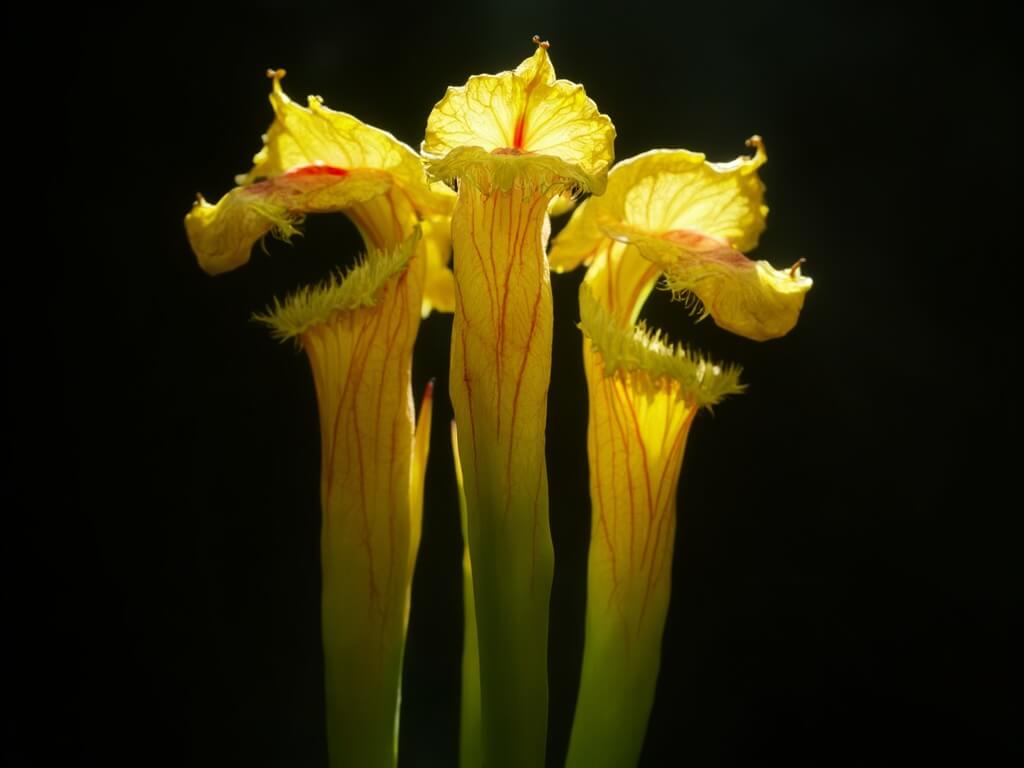
"Majestic Sarracenia flava specimen with yellow-green pitchers and red veins against a black backdrop, illuminated by morning sunlight and detailed with glistening nectar droplets"

The Yellow Pitcher Plant: Nature’s Insect-Eating Marvel – A Complete Guide to Sarracenia flava

What Makes the Yellow Pitcher Plant So Extraordinary? My Sarracenia flava was the first carnivorous plant I grew from seed, and it took two full years before the first tall yellow tube appeared. The pitcher was nearly eighteen inches tall with a flared lid, exactly like the photos I had studied. Physical Characteristics: More Than

The Yellow Pitcher Plant: Nature’s Insect-Eating Marvel – A Complete Guide to Sarracenia flava Read More »

Scroll to Top